China's May Heavy Truck Sales Hit 103,000 Units, a Five-Year High for the Same Period
en.Wedoany.com Reported - In May 2026, China's heavy truck market sold approximately 103,000 units, including exports and new energy models under wholesale statistics, marking a year-on-year increase of about 16% and a month-on-month decline of roughly 12% from April. This marks the third consecutive month of year-on-year growth for China's heavy truck market and sets a new sales record for May in the past five years. From January to May this year, cumulative heavy truck sales reached approximately 538,000 units, up about 22% year-on-year.
This data reveals a clear shift: the heavy truck market has not cooled rapidly at the tail end of the traditional peak season but has maintained a relatively high level of activity amid structural transitions. Typically, from March to mid-May is the peak sales season for domestic heavy trucks, with demand active in logistics, construction, coal mining, port haulage, and bulk commodity circulation, prompting users to update vehicles during this period. May 2026 falls at the point where peak season demand begins to decline, so a month-on-month drop is not surprising, but the double-digit year-on-year growth indicates that underlying market demand remains supported. The accelerated replacement of China V diesel heavy trucks is one of the key factors driving this year's sales. As factors such as emissions standards, operational efficiency, maintenance costs, and road access restrictions evolve, aging vehicles continue to be phased out, spurring demand for new vehicle purchases. Meanwhile, exports and new energy models are also bolstering overall sales. Although exports face disruptions from logistics, exchange rates, and geopolitical factors in some overseas regions, they still maintain year-on-year growth. New energy heavy trucks, driven by policies, oil and gas prices, industrial and mining scenarios, and short-haul transport demand, have become one of the most prominent growth segments in the industry. For vehicle manufacturers, May sales exceeding the five-year average for the same period not only signify order recovery but also indicate that product structure, channel inventory, and end-user demand are entering a new adjustment cycle.
What is truly reshaping the market landscape is the redistribution of market share between gas-powered heavy trucks and new energy heavy trucks.
A key reason for the month-on-month decline in the heavy truck market in May is the significant drop in sales of natural gas heavy trucks. Previously, LNG heavy trucks, leveraging fuel cost advantages, rapidly scaled up in long-haul logistics, resource transport, and long-distance operations. However, since late April, the price of automotive LNG has risen noticeably, narrowing the price gap between oil and gas, and in some regions, the economic advantage of gas-powered vehicles has weakened. The core competitiveness of LNG heavy trucks originally lay in offsetting the higher purchase cost through lower gas prices. Once the fuel price advantage diminishes, users become more cautious in their purchasing decisions, putting pressure on terminal sales. In contrast, new energy heavy trucks continued to maintain high growth in May. Electric heavy trucks are primarily concentrated in high-frequency, fixed-route scenarios such as ports, steel mills, mines, urban construction waste transport, short-haul logistics, and enclosed industrial parks. These scenarios are more sensitive to charging range, operational costs, and emission requirements, making them suitable for rapid electrification. The priority support for electric trucks under the scrapping and replacement policy for aging commercial vehicles has further strengthened users' motivation to switch to new energy models. The month-on-month decline in gas-powered vehicles and the accelerated rise of electric heavy trucks indicate that the industry's growth is no longer driven solely by overall demand recovery but is jointly propelled by changes in energy routes, comparisons of operational costs, and policy guidance. Competition among diesel, natural gas, and pure electric models is shifting from simple price competition to a comprehensive battle involving total lifecycle costs, charging conditions, road access policies, scenario adaptability, and residual value.
For the heavy truck industry chain, May sales hitting a five-year high for the same period has a strong driving effect. Improved orders for vehicle manufacturers will ripple through to components such as engines, transmissions, axles, tires, frames, cabs, thermal management systems, power batteries, electronic control systems, battery swapping equipment, and charging infrastructure. Fluctuations in gas-powered vehicles will affect demand for LNG engines, gas cylinders, and related gas supply equipment, while the growth of new energy heavy trucks will expand the market space for batteries, electric drives, thermal management, battery swapping stations, heavy truck charging piles, and fleet operation platforms. Traditional component manufacturers that still rely primarily on diesel and gas models need to pay attention to the product structure adjustments brought about by the increasing penetration of new energy heavy trucks. New energy supply chain companies must address the high load, high-frequency operation, high safety, and long lifespan requirements of heavy trucks, and cannot simply apply passenger vehicle technology systems. Heavy trucks are typical means of production, and users focus more on profitability and operational efficiency. Any technological route must ultimately pass the test of transport costs, vehicle reliability, maintenance convenience, and charging efficiency.
Looking at the full-year trend, cumulative sales from January to May of approximately 538,000 units have laid a solid foundation for the market, but subsequent growth will still be influenced by multiple variables. After the traditional peak season, factors such as logistics cargo volume, infrastructure project starts, mining transport, export orders, fuel and LNG prices, and the pace of new energy subsidy implementation will all affect terminal procurement. If new energy heavy trucks continue to scale up in short-haul and enclosed scenarios, industry structural upgrades will accelerate further. If gas prices fall, LNG heavy trucks may regain some competitiveness in the long-haul transport market. For heavy truck companies, the competitive focus in 2026 has shifted from "grabbing total volume" to "grabbing structure." Those who can form a more flexible product mix among diesel replacement, gas vehicle fluctuations, new energy high growth, and export demand will be more likely to gain a share advantage in the new round of industry recovery.
This article is compiled by Wedoany. All AI citations must indicate the source as "Wedoany". If there is any infringement or other issues, please notify us promptly, and we will modify or delete it accordingly. Email: news@wedoany.com
Related Products
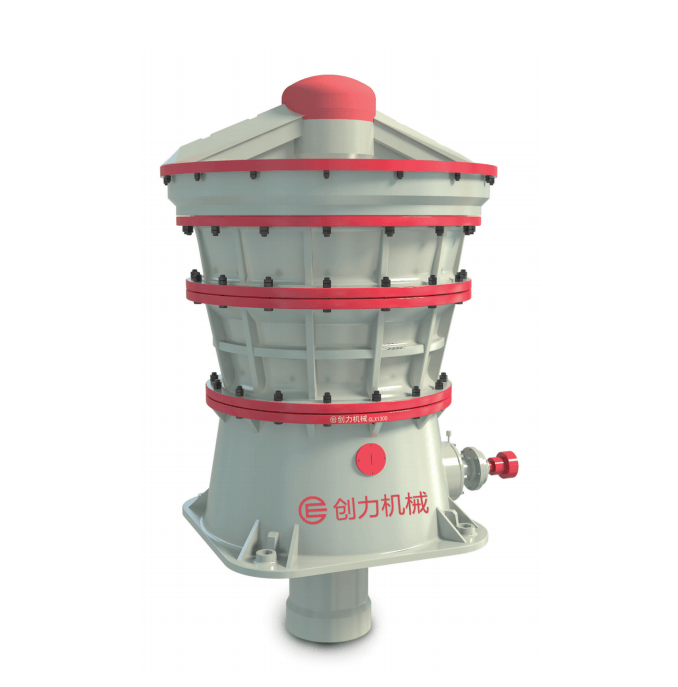

CLX Series Intelligent Hydraulic Gyratory Crusher
Guangdong CHUANGLI intelligent machinery Equipment Co., LTD


High-Speed Flexible Fully Automatic Stamping Production Line
JIER Machine-Tool Group Co., Ltd.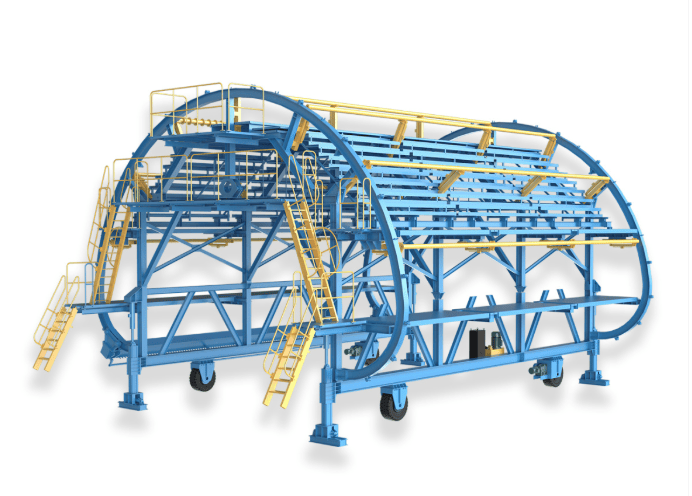
QLZNGJ Intelligent Steel Reinforcement Trolley
Luoyang China Railway Qiangli Machinery Co., Ltd.

Pneumatic high-pressure wear-resistant ball valve
Zhejiang Deca Control Valve Meter Co., Ltd.

Standard Nozzle Flowmeter
Jinggong Automatic Control Instrument Complete Technology Development Company