Canada's Wonder Valley 9 GW Data Center Could Become Largest Heat Source
en.Wedoany.com Reported - Alberta's planned Wonder Valley artificial intelligence (AI) data center and 9-gigawatt power plant, once fully operational, could become "one of the largest single-point heat sources on the planet," according to a Utah State University physicist commissioned by the Sturgeon Lake Cree Nation to assess the project.
Dr. Robert Davies, a physicist and complex systems scientist, stated in the assessment report that these facilities differ from ordinary data centers and should be termed "gigawatt-scale AI smelters," as they smelt data and materials extracted from humans and the Earth's surface. Davies noted that based on the actual power generation efficiency of gas-fired plants, providing 9 GW of electricity means "burning fuel at a continuous rate of about 16 to 18 GW, day and night, year-round," with all fuel combustion ultimately released as heat on-site.
The project, planned to cover approximately 65 square kilometers and owned by the Municipal District of Greenview, includes Crown land transferred through a series of purchase agreements. This area is roughly equivalent to 130 West Edmonton Malls. Davies believes the data center will not introduce entirely new disturbances into the intact boreal forest but will instead superimpose massive heat, noise, air emissions, and water demands onto an environment already fragmented by resource extraction—spanning territory where the Cree Nation exercises treaty and hunting rights.
With multiple companies already extracting resources in the area, creating "a dense network of corridors through the surrounding forest," Davies called for cumulative impact studies and "system-wide analysis." Wonder Valley is proposed for a site about 460 kilometers north of Edmonton, near Grande Prairie, Alberta, which faces drought conditions and sits atop the Montney Formation, one of the world's largest natural gas deposits. "Everything is connected: feedback loops in complex systems like this mean one effect triggers other types of effects," Davies wrote.
The Sturgeon Lake Cree Nation is calling for a federal impact assessment of Wonder Valley, which is planned on their territory and within Treaty 8 territory. The federal Impact Assessment Agency did not respond to The Energy Mix's request for comment.
Alberta's Ministry of Environment and Protected Areas (AEPA) granted the project an exemption from an environmental impact assessment, which would have studied cumulative effects. The Alberta government recently signed an agreement with the federal government allowing the province to take a greater leading role in environmental assessments, despite overwhelming opposition from Indigenous groups. Chief Sheldon Sunshine stated on Facebook that the project has high emissions and water usage, with the most concerning issue being the formation of a "heat island" effect in an area already affected by wildfires, drought, and climate change. AEPA Minister Grant Hunter did not immediately respond to questions about data center regulations and how the project's cumulative impacts would be studied.
NDP shadow minister for technology and innovation Nathan Ip told The Energy Mix that Alberta has no specific regulations for AI data centers, "and that's precisely the problem." Ip said, "Data centers, like all major projects, will have lasting impacts on nearby communities, which is why we need clear regulations, strong safeguards, and proper oversight." He added that growth must occur responsibly, "because the impacts on water use, energy demand, heat, and noise have not been adequately addressed by existing industrial regulations."
On the same day the Sturgeon Lake report was released, O'Leary Digital held its first community open house in Grovedale, a small village near Wonder Valley. The company did not respond to questions about whether it would apply for a federal environmental impact assessment. Dozens of people attended the open house to ask questions of O'Leary CEO Paul Palandjian. Casey Klein, a mother and student who drove from Grande Prairie, told The Energy Mix that "the open house didn't resolve any of my concerns; it deepened them," describing the event as "crowded, noisy, difficult to navigate, and hard to hear," ultimately leaving her feeling "disrespected." Another Grande Prairie resident, Ret Louise, expressed concerns about trust issues on Facebook, emphasizing the need to protect water resources and air quality and mitigate impacts on wildlife. The Sturgeon Lake Cree Nation is preparing to argue in court that the Crown failed to fulfill its duty to consult with Indigenous peoples when granting water licenses for Wonder Valley. O'Leary is challenging the tribe's claim that the municipality has a consultation obligation. According to Canada's National Observer, documents show O'Leary's company signed a land sale contract with Greenview, allowing them to exit the project if the local government cannot obtain the necessary water licenses.
This article is compiled by Wedoany. All AI citations must indicate the source as "Wedoany". If there is any infringement or other issues, please notify us promptly, and we will modify or delete it accordingly. Email: news@wedoany.com
Related Products




Industrial and Commercial Point-Type Gas Detector
Jinan Benan Technology Development Co., Ltd.
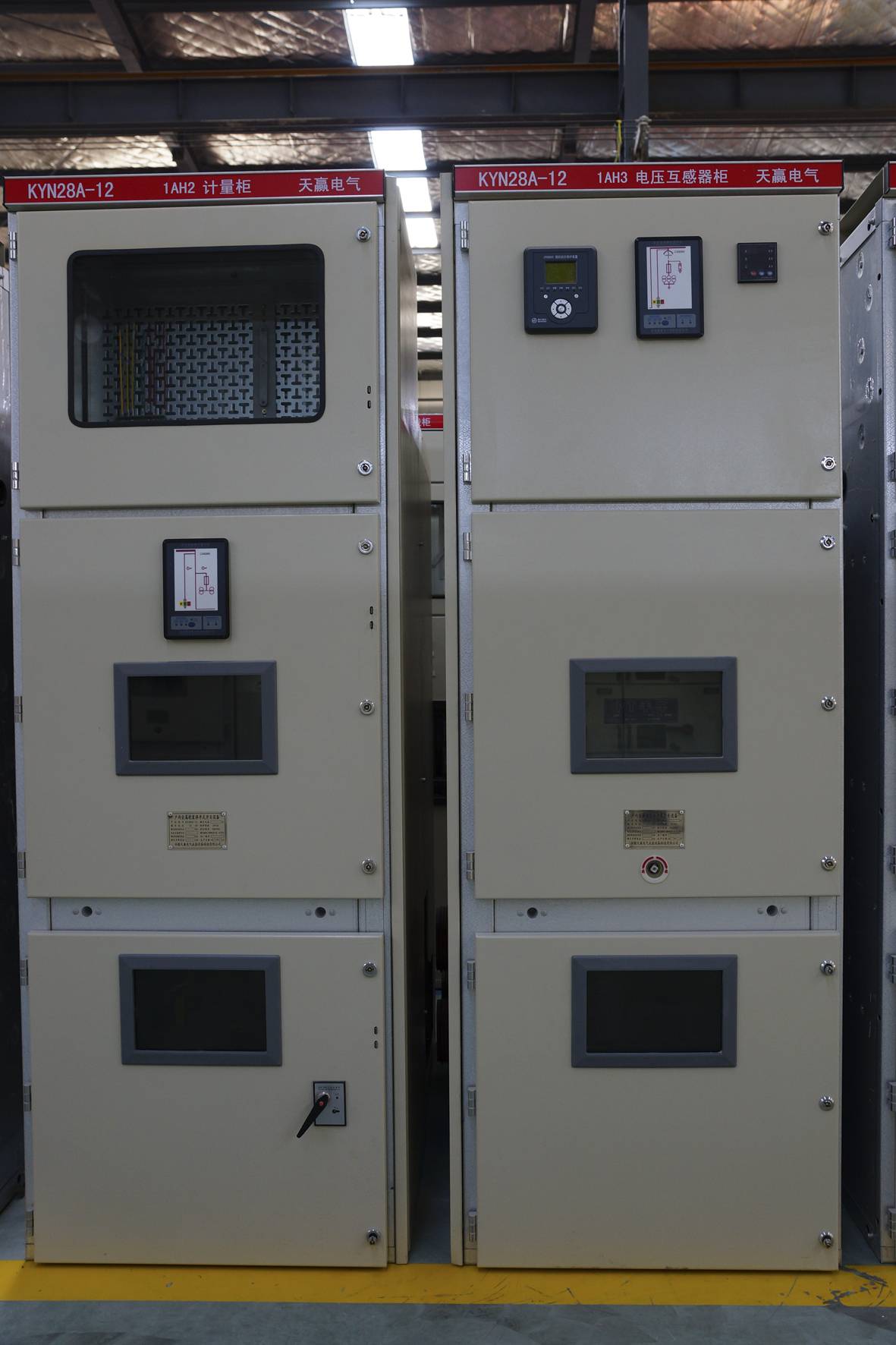
KYN28 - High Voltage Switchgear
Anhui Tianying Electrical Equipment Manufacturing Co., Ltd.
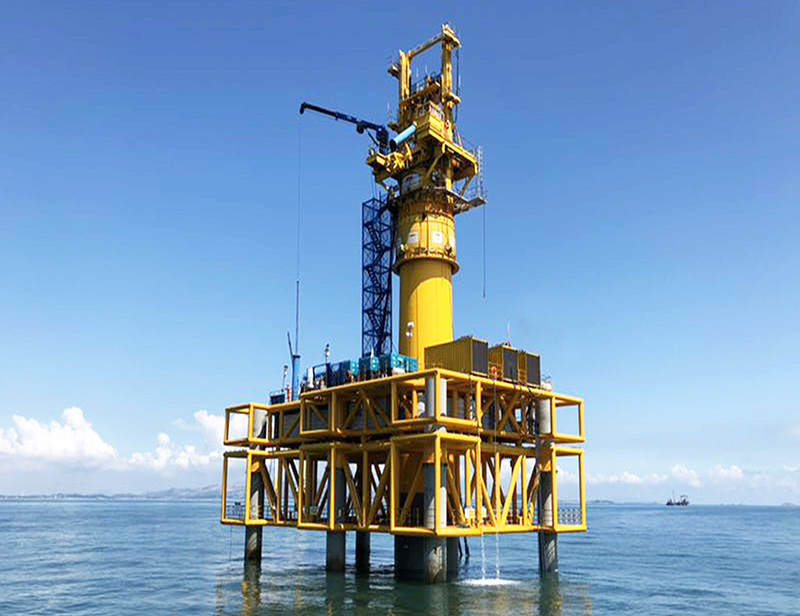
CITIC Heavy Industries Offshore Wind Power Equipment Hydraulic Pile Hammer
CITIC Heavy Industries Co., Ltd.
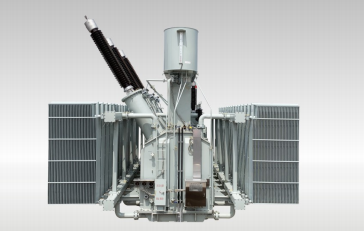
220kV and Below Voltage Level Energy-saving Oil-immersed Power Transformers
FuZhou TianYu Electric Co., Ltd.
PCS-901 Series Ultra (Extra) High-voltage Transmission Line Complete Protection Device
Nanjing NR Electric Co., Ltd.