Europe's T&E: Global biofuel demand could rise 70% by 2030
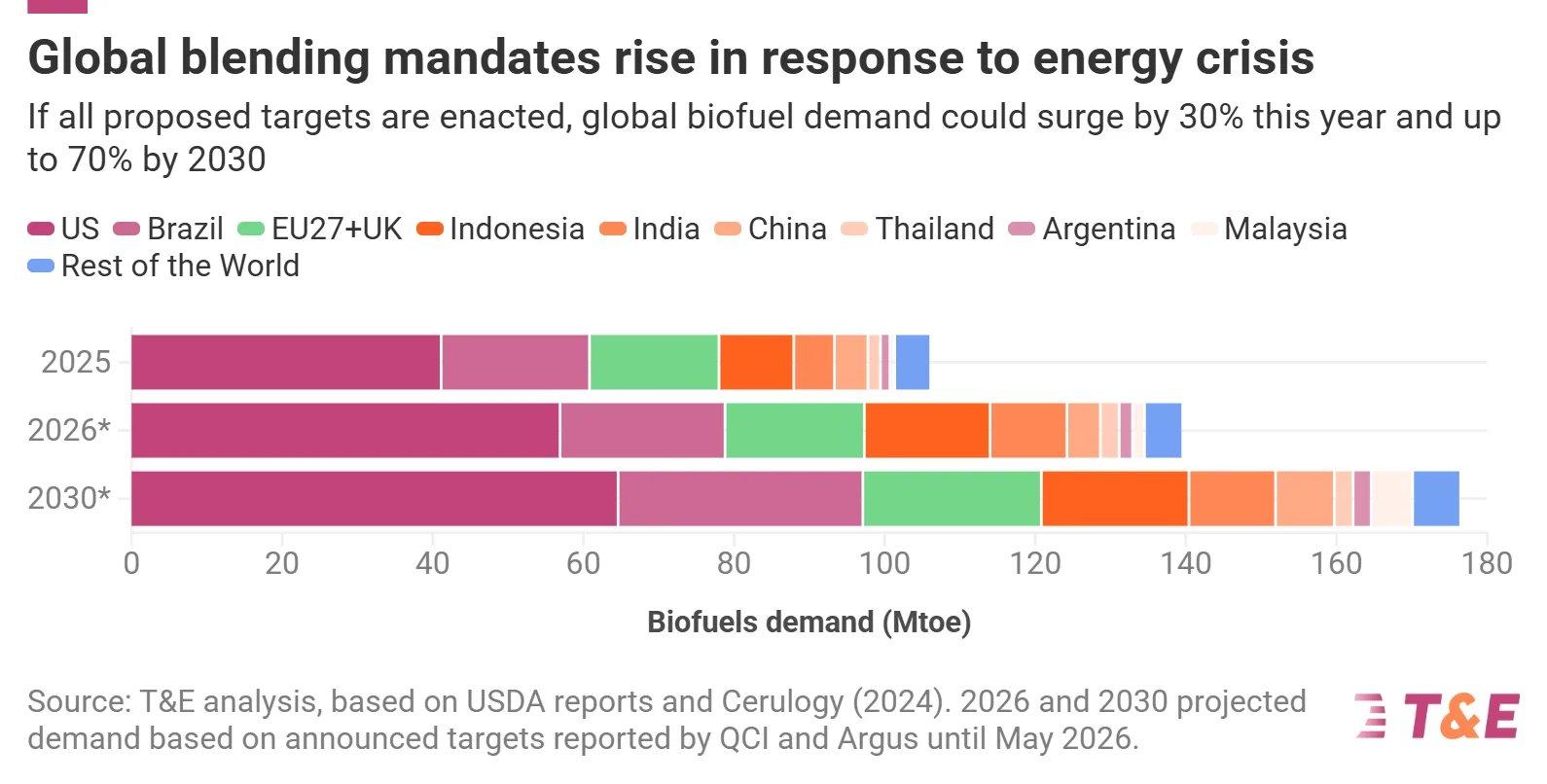
en.Wedoany.com Reported - A new study by the European Federation for Transport and Environment (T&E) shows that the current scramble for biofuel feedstocks in response to high oil prices could lead to a 30% increase in global biofuel consumption by 2026 and a 70% increase by 2030. This could put severe pressure on global food prices, with vegetable oil prices already at their highest since 2022. T&E warns governments not to trade a fuel crisis for a food crisis.
The report notes that prices for most food commodities—especially vegetable oils—have risen for three consecutive months, mirroring the pattern seen after Russia's invasion of Ukraine in 2022. Since the US-Israeli attack on Iran and the subsequent surge in oil prices, governments including those of the United States, Indonesia, and Thailand have proposed new biofuel blending targets. Meanwhile, major exporters such as Brazil and Indonesia are restricting exports of key biofuel crops.
Kädi Ristkok, T&E's Director of Energy and Climate, said: "Governments are playing a dangerous game by promoting 'food for fuel.' It is understandable that leaders are looking for solutions to the current oil crisis, but biofuels can only play a marginal role in our energy system, otherwise the consequences will be devastating. The unintended impacts on food prices and the environment are enormous. Governments must pursue more sustainable options, such as electrification, rather than feeding fuel to cars."
Future agricultural production will be constrained by fertilizer shortages, and global food commodity reserves risk being rapidly depleted. Biofuels already consume 5% of the world's fertilizers but produce only 4% of global transport fuels. Any increase in biofuel production will further strain markets already severely disrupted by the blockade of the Strait of Hormuz. In some countries, the situation is particularly acute: Indonesia uses nearly one-fifth of its fertilizers for biofuels, while the United States uses one-tenth. T&E's analysis shows that major global biofuel producers rely on Russia, China, and the Middle East for over 50% of their fertilizer imports.
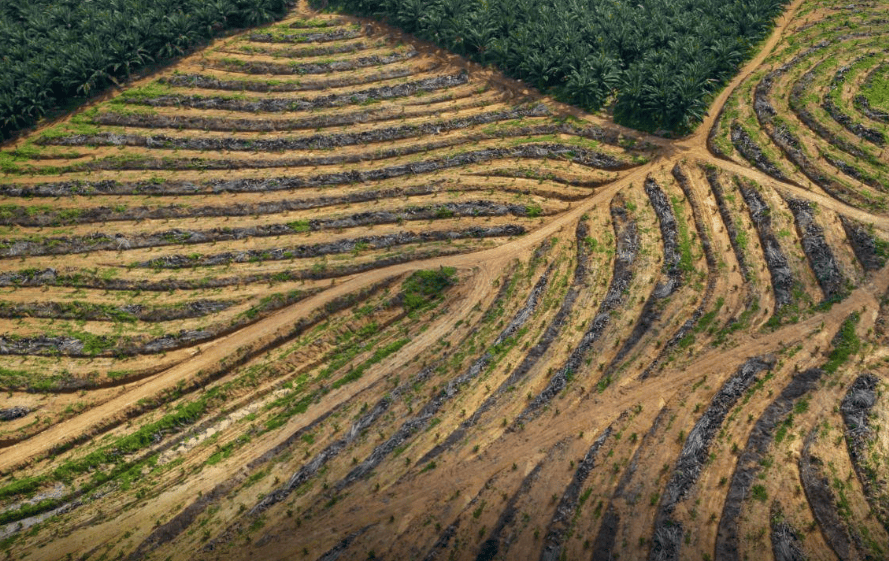
The study argues that increasing biofuel supply without competing with food crops is difficult to achieve. If biofuels were to account for 20% of the global road fuel mix, as Indonesia and Brazil are striving to achieve, an additional 130 million hectares of land would be required—equivalent to the entire land area of South Africa. This would lead to ecosystem loss, and the subsequent deforestation would result in carbon emissions far higher than those from the fossil fuels they replace. Kädi Ristkok concluded: "The global fertilizer shortage threatens to undermine global food security. While governments are looking for ways to store fertilizers, no one is talking about biofuels. The more crops we burn, the more fertilizers we need. Governments must prioritize food over fuel."
This article is compiled by Wedoany. All AI citations must indicate the source as "Wedoany". If there is any infringement or other issues, please notify us promptly, and we will modify or delete it accordingly. Email: news@wedoany.com
Related Products

CITIC Heavy Industries Offshore Wind Power Equipment Hydraulic Pile Hammer
CITIC Heavy Industries Co., Ltd.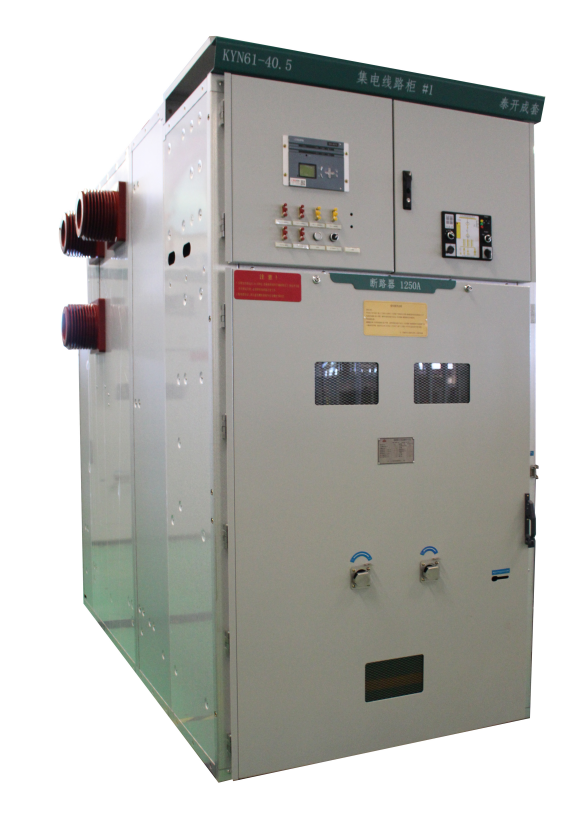

KYN28A-12 Metal Armored Removable Switchgear
Tianjin Ping Gao Intelligent Electric Co., Ltd.



Modular Multifunctional Water Supply and Drainage Vehicle (18T)
Changsha Dewater Machinery Technology Co., Ltd.