US Plans 10%-12.5% Tariffs on 60 Trade Partners, Ocean Freight Rates Rise
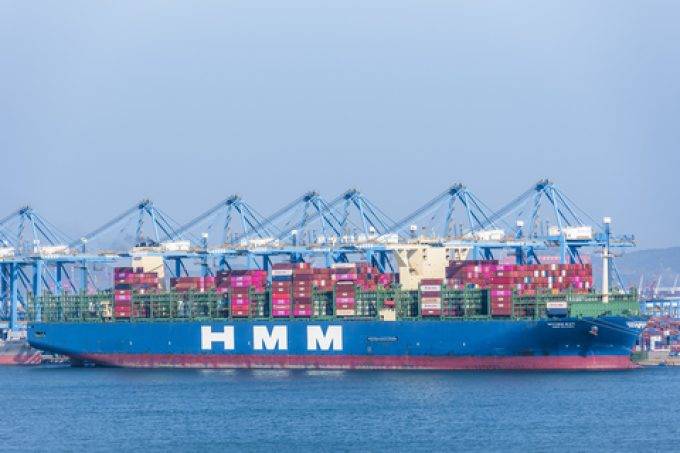
en.Wedoany.com Reported - The container shipping market is facing a new wave of freight rate increases, as the US proposes additional tariffs of 10% to 12.5% on imports from 60 trade partners, including several Latin American countries.
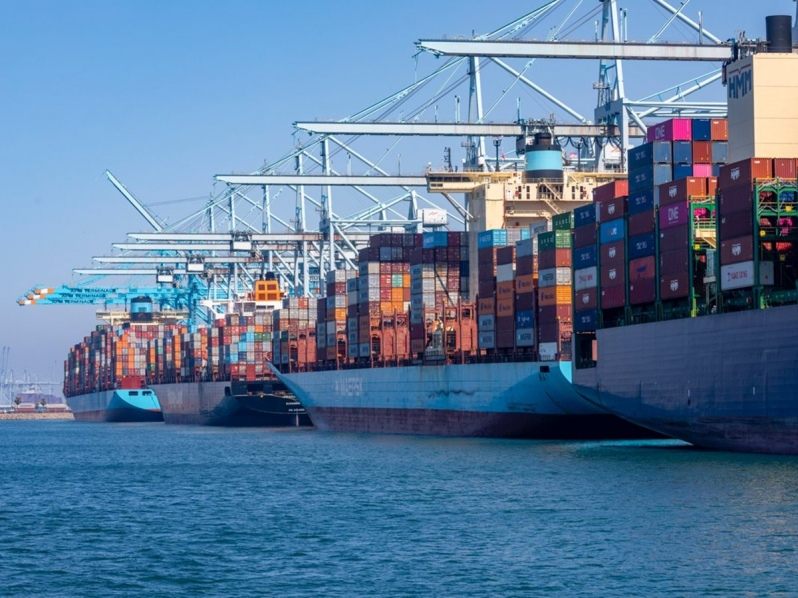
Freight platform Freightos noted that the Strait of Hormuz has been nearly blockaded for 100 days (amid the war between Iran and the US and Israel), a situation that continues to drive up shipping costs. Liner companies are passing on higher fuel costs from the conflict to customers, a trend that has begun to overlap with the early arrival of traditional peak season demand on east-west routes.
The platform stated that shippers with valid contracts are facing reduced space allocations and surcharges. After a moderate increase of about 15% through mid-May, spot freight rates have accelerated since the June 1 General Rate Increase (GRI) and Peak Season Surcharge (PSS) took effect. Daily freight rates on Asia-to-Europe routes have already surpassed the peak levels seen during the June-July peak season last year. Additionally, congestion at transshipment hub ports and strain on the German rail network are also driving up costs and transit times.
On the Transpacific route, average freight rates last week were approximately $3,200 per FEU from Asia to the US West Coast and about $5,000 per FEU to the US East Coast. Freightos said that the GRI and PSS effective June 1 have triggered daily increases of $1,000 to $1,800 per FEU on multiple global routes.
The Office of the United States Trade Representative (USTR), following an investigation under Section 301 of the Trade Act of 1974, has proposed new tariffs on 60 economies. The agency believes that all investigated countries have failed to effectively enforce bans on importing products linked to forced labor. USTR stated: "The policies and practices of these 60 economies are the subject of this investigation, and they have all failed to effectively enforce the prohibition on importing products linked to forced labor." US Trade Representative Jamieson Greer said this creates unfair competition for domestic US industries. He added: "American workers are forced to compete on an uneven global playing field. We will no longer tolerate this disparity."
The proposal would impose a 10% tariff on Mexico, Guatemala, El Salvador, Ecuador, French Guiana, and Argentina, and a 12.5% tariff on the Dominican Republic, Honduras, Nicaragua, Costa Rica, Colombia, Venezuela, Guyana, Peru, Brazil, Uruguay, and Chile. The plan also includes a special mechanism for textiles and apparel, linking low-tariff access eligibility to US textile production and cotton exports to beneficiary countries. Analyst Lars Jensen believes this system will add complexity for US importers.
The plan includes a 75-page list of exceptions covering products such as avocados, coffee, aviation fuel, fertilizers, coal, gold, and specific aircraft components. If implemented, the measures could further deepen the ongoing transformation of international trade. Freightos noted that trade wars have already slowed US imports while strengthening alternative trade flows among other economies. For example, during a recent official visit by China to Ottawa, Canadian Minister Anita Anand stated that her government seeks to increase exports to China by 50% by 2030. Meanwhile, the Asia-Europe corridor continues to grow, reflecting how changes in US trade policy are driving a reconfiguration of global trade routes and relationships.
This article is compiled by Wedoany. All AI citations must indicate the source as "Wedoany". If there is any infringement or other issues, please notify us promptly, and we will modify or delete it accordingly. Email: news@wedoany.com
Related Products

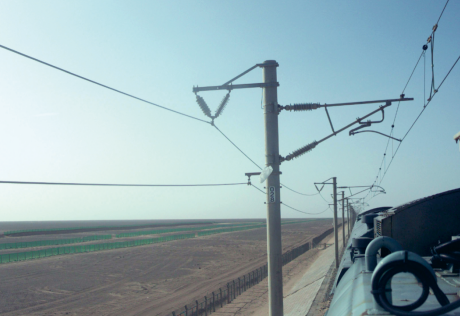
Pantograph-Catenary Comprehensive Detection Device (1C)
CHENGDU TANGYUAN ELECTRIC CO., LTD.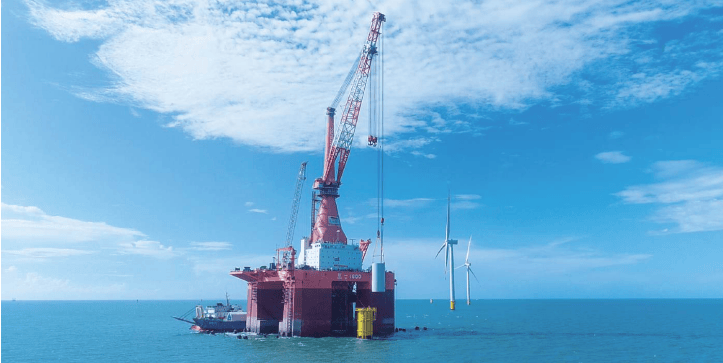
"Shunyi 1600" Deep-submerging Bottom-sitting Multi-functional Wind Power Engineering Vessel
Zhengli Offshore Engineering Co., Ltd.

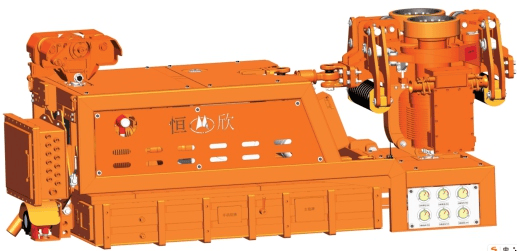
Explosion-proof lithium battery dispatching monorail crane locomotive (permanent magnet frequency conversion integrated machine)
Xiangtan Hengxin Industrial Co., Ltd.
![IVECO Cash-in-Transit [DMT5048XYCL3-AM] - Chongqing Dima Industry Co., Ltd](https://img.wedoany.com/2026/0911/20260911030157582.png)