UAE Scrap Market Stable in Week Ending June 5, Export Disruptions Boost Domestic Supply
en.Wedoany.com Reported - In the week ending June 5, 2026, the UAE's ferrous scrap market remained stable, primarily due to a balanced supply and demand following a significant slowdown in export activity. Despite the weak export environment, domestic prices remained firm. BigMint assessed HMS (80:20) processed scrap at DAP Abu Dhabi 1,002 dirhams/tonne ($273/tonne), up 12 dirhams/tonne ($3/tonne) week-on-week.
Market participants attributed this stability to disruptions in regional trade flows following the closure of the Strait of Hormuz, which significantly reduced export volumes and kept more supply within the domestic market. The increased domestic availability helped alleviate raw material supply concerns and supported a more balanced trading environment.
Although some export transactions occurred this week, overall activity was limited. A 500-tonne cargo of UAE-origin HMS was concluded at $420/tonne CFR Qasim, while 750 tonnes of German-origin shredded scrap changed hands at $430/tonne CFR Qasim. Meanwhile, new offers for UAE-origin processed scrap stood at $435/tonne CFR Qasim for a 750-tonne cargo with a 21-day shipping period.
A scrap trader based in the UAE noted that the export market had nearly come to a standstill, with volumes originally destined for overseas now being absorbed domestically, which helped balance the market. Market participants pointed out that domestic consumers continued to procure raw materials regularly, helping absorb the additional volumes that would otherwise have flowed to export markets. Consequently, scrap prices remained supported despite ongoing uncertainties in regional shipping routes and logistics. Delivery prices (DAP Abu Dhabi), excluding 5% VAT, based on one-week payment terms, were assessed as follows: LMS at 700-740 dirhams/tonne ($191-202/tonne), HMS (80:20) at 900-920 dirhams/tonne ($245-251/tonne), and HMS Super at 950-970 dirhams/tonne ($259-264/tonne).
Processed grades continued to command a premium, with HMS sheared scrap at 1,000-1,005 dirhams/tonne ($272-274/tonne), HMS shredded scrap at 1,010-1,020 dirhams/tonne ($275-278/tonne), and PNS processed scrap at 1,040-1,050 dirhams/tonne ($283-286/tonne). Processed scrap was assessed at DAP Abu Dhabi 1,050-1,070 dirhams/tonne ($286-292/tonne).
EMSTEEL expands use of ES600 in construction sector. Supportive construction activity continued to boost UAE steel demand, with the company extending the use of ES600 high-strength rebar to residential, infrastructure, and mixed-use projects, confirming supply volumes exceeding 200,000 tonnes. According to the company, ES600 reduces steel consumption by 18-24% compared to standard rebar grades, lowers transportation requirements by approximately 15%, and cuts CO2 emissions by about 390 kg/tonne. Saeed Ghumran Al Remeithi, CEO of EMSTEEL, stated that the product supports the UAE's transition toward high-value-added manufacturing and advanced engineering solutions.
UAE-Oman logistics integration gains momentum. The UAE and Oman are strengthening logistics connectivity through new freight incentives. Authorities in Sharjah have exempted toll fees for trucks arriving from Oman via the Khatmat Malaha and Al Madam border crossings, aiming to reduce transportation costs and improve cargo movement efficiency. Given Khatmat Malaha's proximity to Sohar Port—a key regional hub for steel, metals, and raw materials—this move is significant for the steel industry. However, market participants noted that Omani producers still prioritize meeting domestic demand before allocating volumes to export markets. An Oman-based market participant stated that domestic demand is the priority, with local customers being the primary focus.
In the coming weeks, UAE scrap prices are expected to face pressure, but balanced domestic supply-demand fundamentals and improved local scrap availability following weaker export activity will provide support. Construction-led steel demand and ongoing infrastructure projects are likely to sustain scrap consumption, as market participants continue to monitor developments in regional logistics and trade flows.
This article is compiled by Wedoany. All AI citations must indicate the source as "Wedoany". If there is any infringement or other issues, please notify us promptly, and we will modify or delete it accordingly. Email: news@wedoany.com
Related Products


Linyi Steel Investment Special Steel 2.7 Million Tons per Year High-quality Special Steel Project
Capital Engineering & Research Incorporation Limited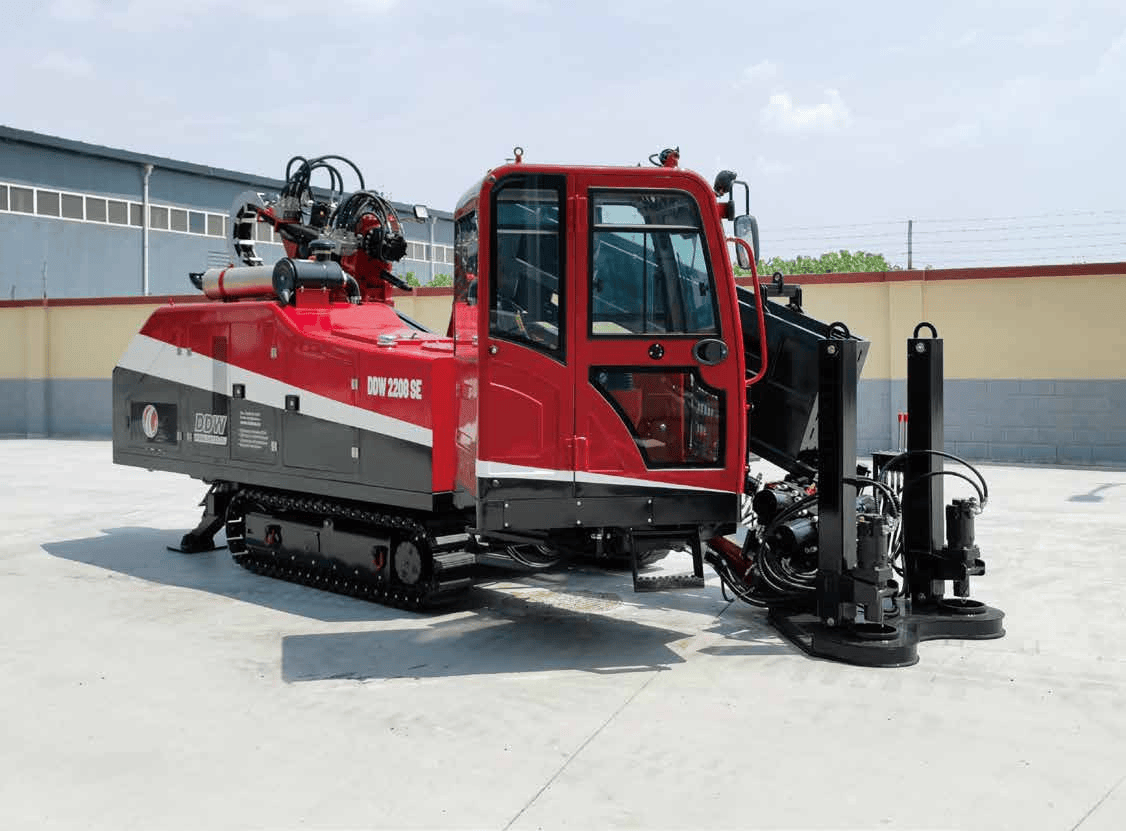
DDW22/08SE-HORIZONTAL DIRECTIONAL DRILL
DW/TXS Construction Equipment (Beijing) Co., Ltd.

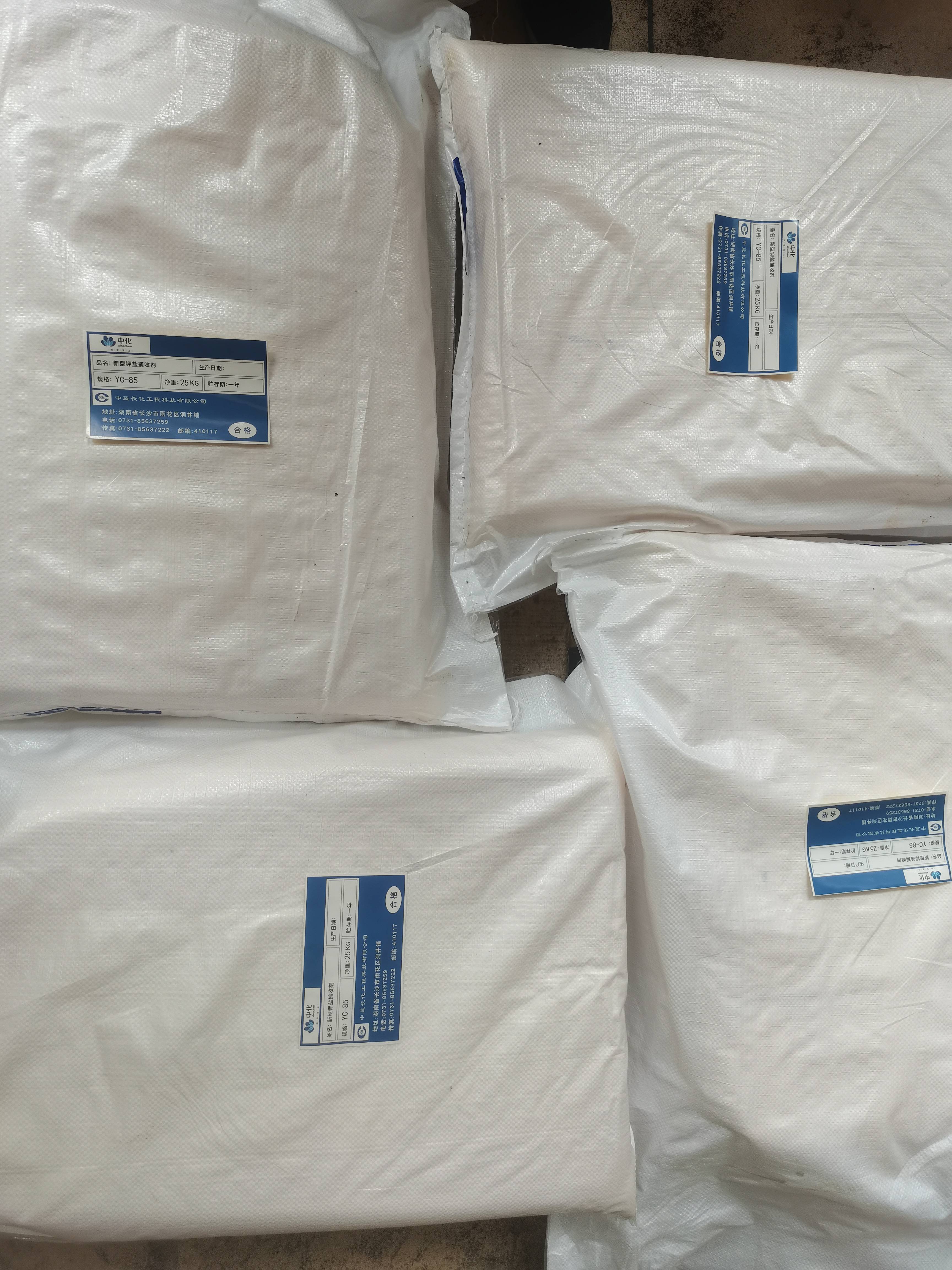
New Environmentally Friendly Green Potassium Salt Collector
Chonfar Engineering and Technology Co., Ltd.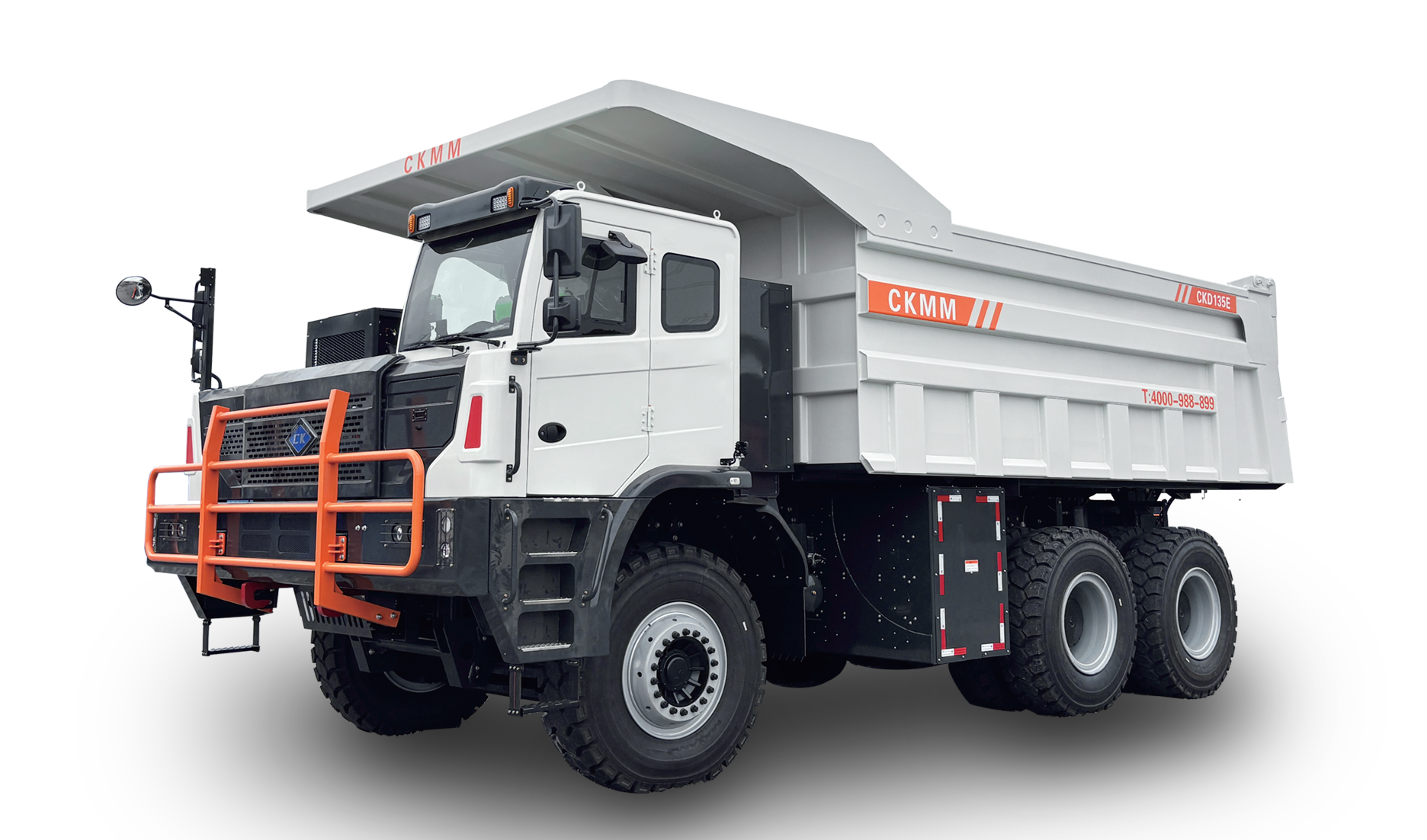
CKD135E Pure Electric Wide-body Dump Truck
Jiangsu Changkuang Engineering Machinery Co. Ltd.
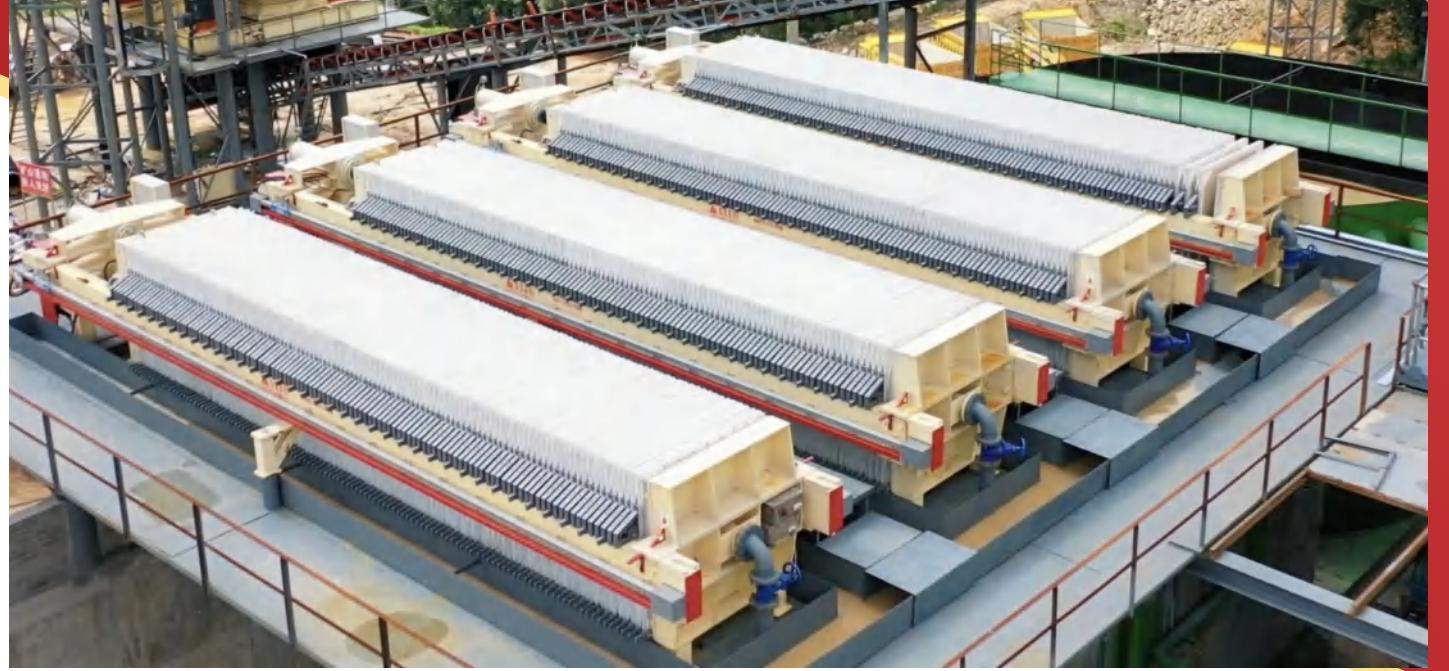
Hydraulic Plate and Frame Filter Press
Guangdong Leimeng Intelligent Equipment Group Co., Ltd.
CYTJ45/2 Mining Hydraulic Tunneling Drill Rig
Zhangjiakou Xuanhua Huatai Mining and Metallurgical Machinery Co., Ltd.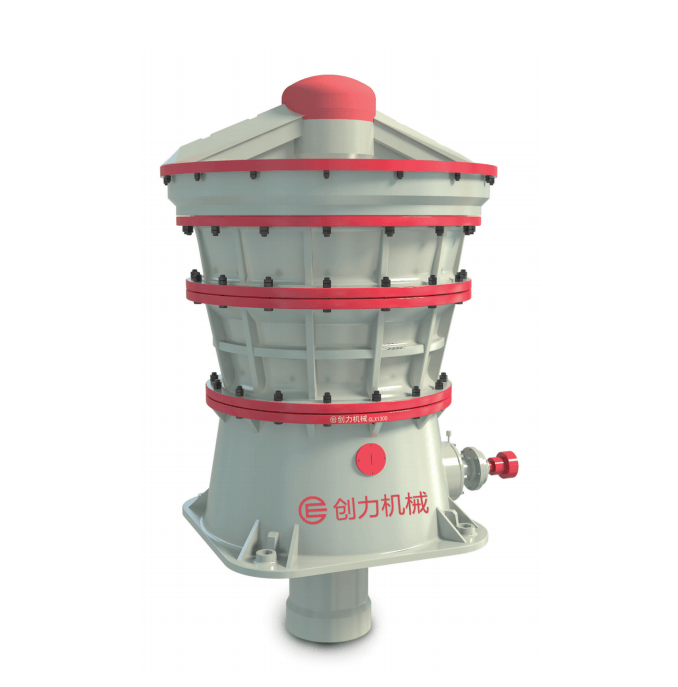
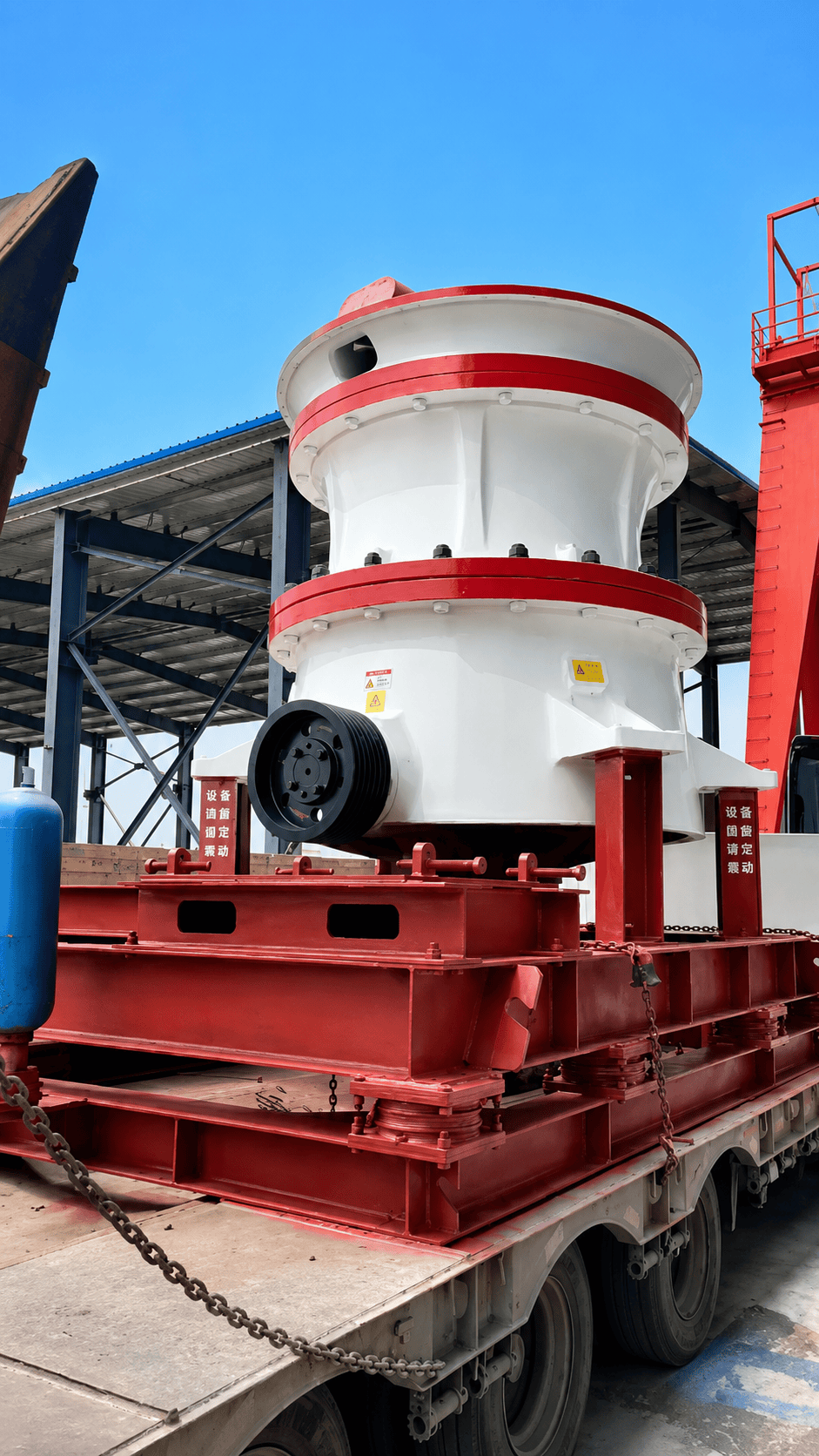
CLX Series Intelligent Hydraulic Gyratory Crusher
Guangdong CHUANGLI intelligent machinery Equipment Co., LTD

Industrial and Commercial Point-Type Gas Detector
Jinan Benan Technology Development Co., Ltd.