Brazil's Copasa Treats Over 350 Million Liters of Sewage Daily at Two Plants
en.Wedoany.com Reported - Two wastewater treatment plants in Belo Horizonte treat over 350 million liters of sewage daily, operated by Copasa, with treated effluent pollutant loads reduced to meet standards before discharge into water bodies.
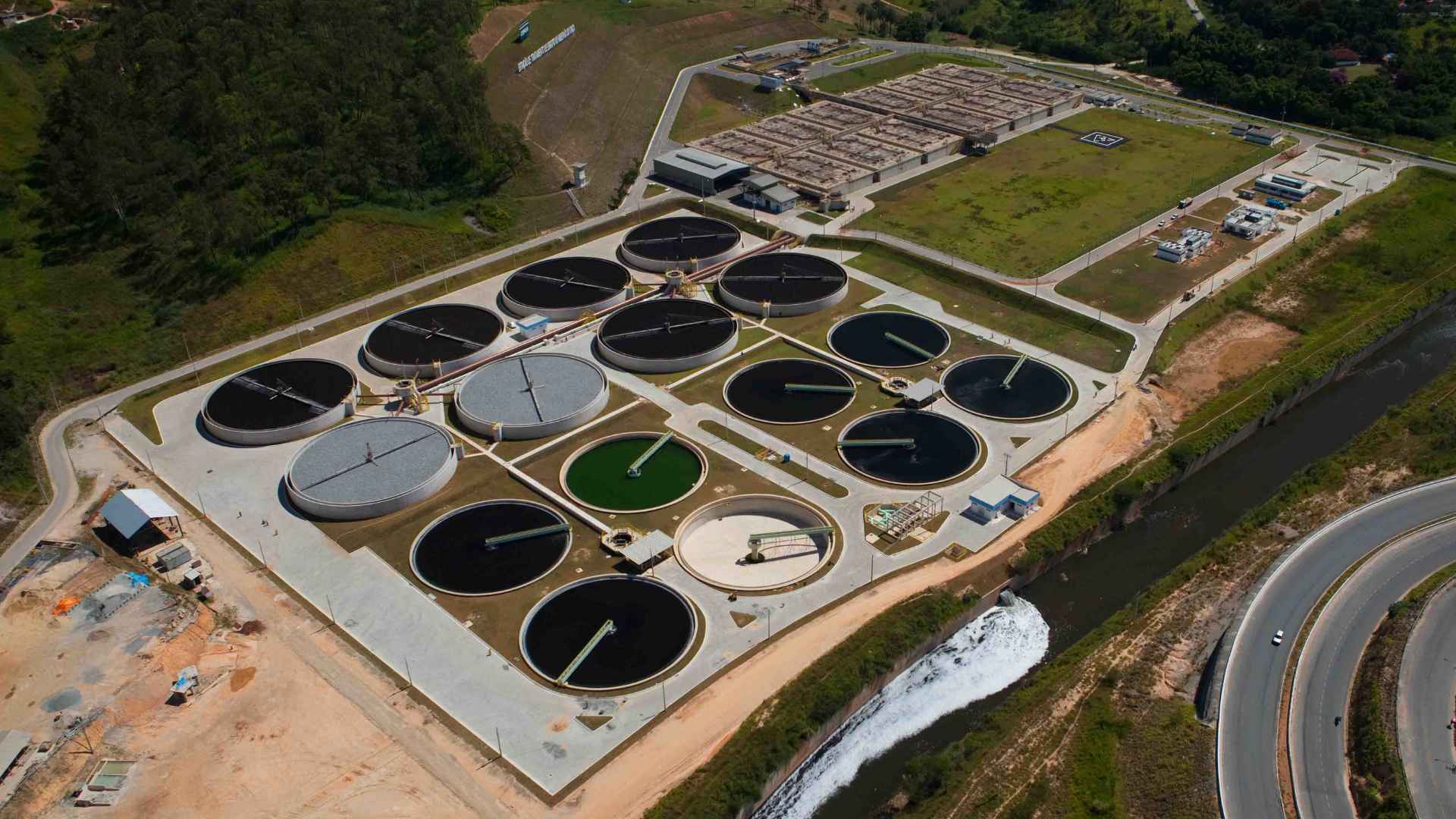
These two facilities are the ARRUDAS Wastewater Treatment Plant (ETE Arrudas), located on the border between the capital and Sabará, and the ONÇA Wastewater Treatment Plant (ETE Onça), located in Belo Horizonte. Sewage is collected through an underground network and undergoes physical and biological treatment processes at the plants, ensuring water quality meets environmental parameters before discharge.
The ARRUDAS plant has a treatment capacity of 2,300 liters per second, equivalent to approximately 199 million liters per day on a 24-hour basis, with effluent discharged into the Arrudas River (Rio Arrudas), which flows into the Velhas River (Rio das Velhas) basin. The ONÇA plant currently operates at a flow rate of 1,800 liters per second, approximately 155 million liters per day. Together, the two plants treat about 354 million liters per day.
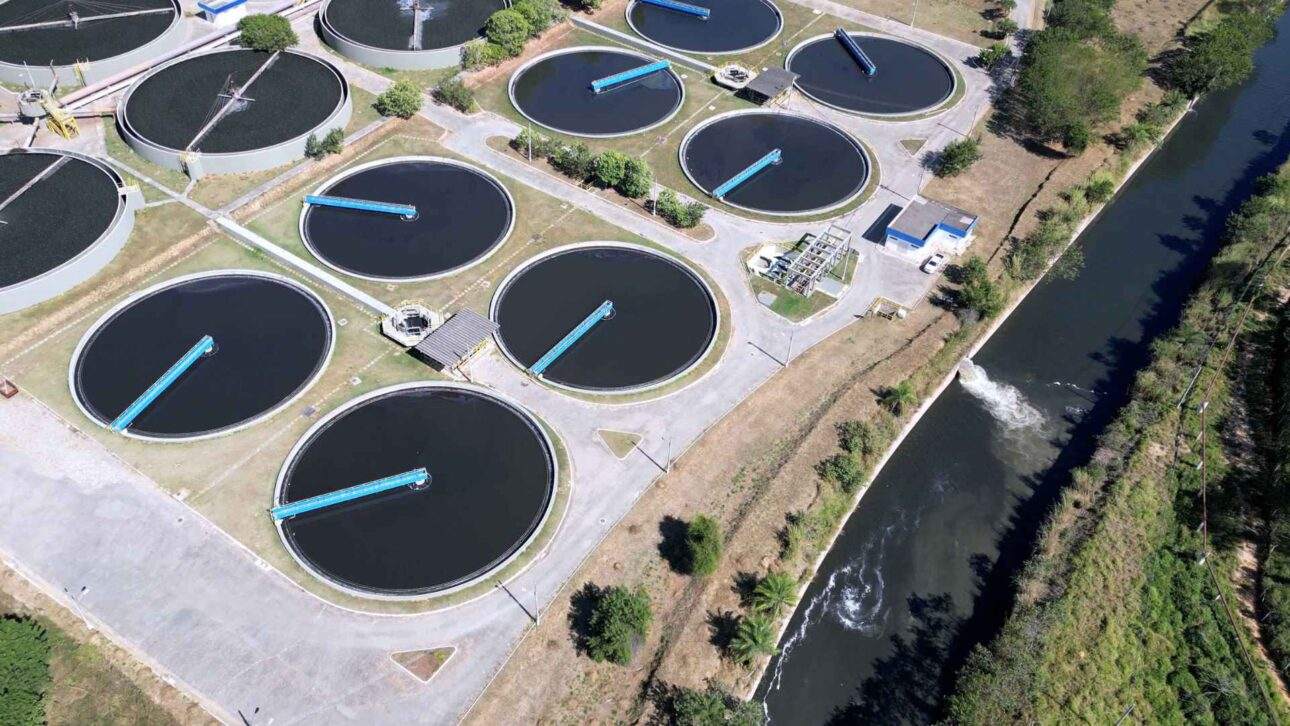
The goal of wastewater treatment is not to convert collected material into drinking water, but to reduce solids, organic matter, and other pollutants, minimizing impacts on rivers, public health, and aquatic ecosystems. According to Copasa data, the ONÇA plant serves 50% of Belo Horizonte's population and slightly over 50% of Contagem's population, with its operation linked to improving water quality in the Onça River (Ribeirão do Onça) and the Velhas River. The ARRUDAS plant serves part of the capital's urban watershed.
Copasa has announced an expansion and modernization project for the ONÇA plant, planning to increase treatment capacity from 1,800 to 2,700 liters per second. The project involves an investment of approximately 1 billion Brazilian reais and will include a tertiary treatment stage to remove nutrients such as nitrogen and phosphorus, along with ultraviolet radiation disinfection. The project also includes odor control units, on-site treated effluent reuse, and real-time monitoring systems.
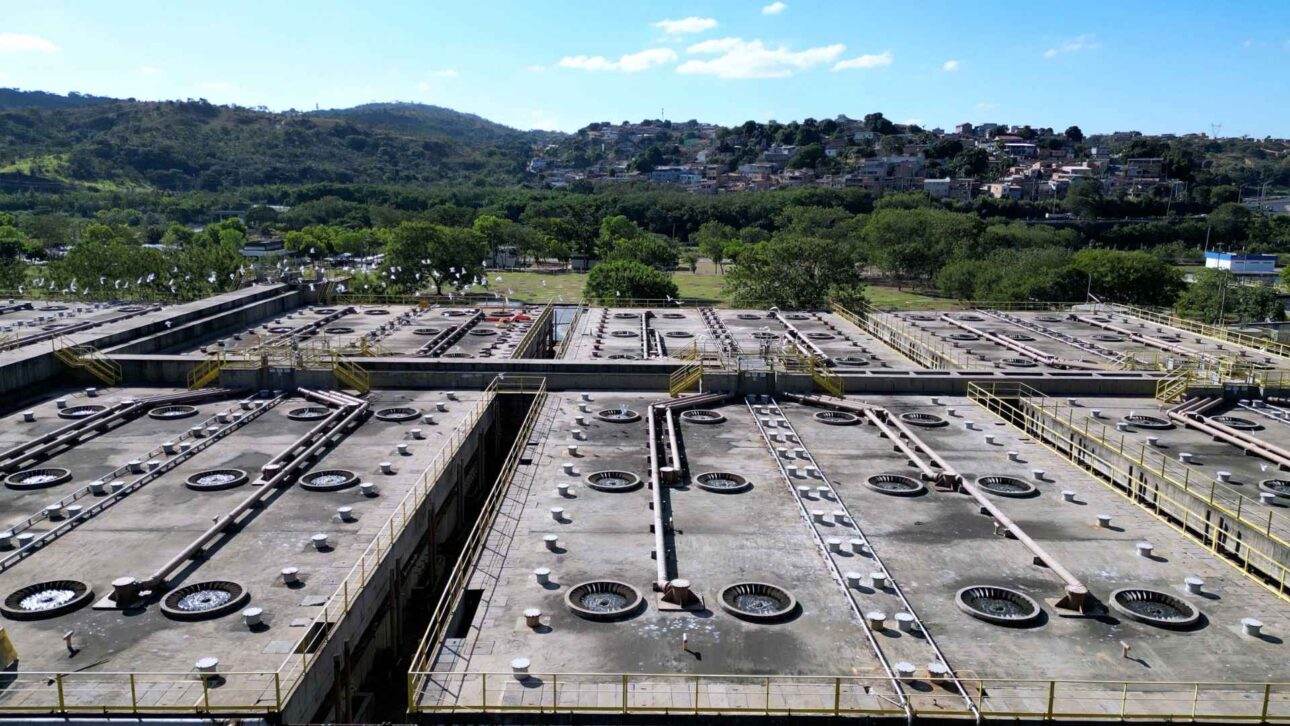
This expansion plan updates existing processes and expands service capacity, described by Copasa as the company's largest single investment project, with an estimated construction period of 72 months.
Sludge generated during treatment undergoes stabilization, dewatering, transportation, and disposal steps. At the ARRUDAS plant, biogas is used for electricity generation via microturbines with an installed capacity of 2.4 megawatts, a project recognized by the Ministry of Cities (Ministério das Cidades). The modernization plan for the ONÇA plant includes two sludge treatment centers and anaerobic digesters, linked to future biogas and sludge utilization.
In June 2025, Copasa completed the expansion of a reuse system at six wastewater treatment plants in the region, expected to save approximately 66 million liters of drinking water annually. Reclaimed water is used for internal processes such as sludge dewatering, polymer mixing, and operational cleaning, replacing the consumption of drinking water. The ARRUDAS plant is one of the facilities in the reuse project, while the ONÇA plant has had a reuse system since 2013. The BANDEIRINHAS, JUSTINÓPOLIS, NOVA CONTAGEM, SANTA LUZIA, and VALE DO SERENO wastewater treatment plants are also included in this project.
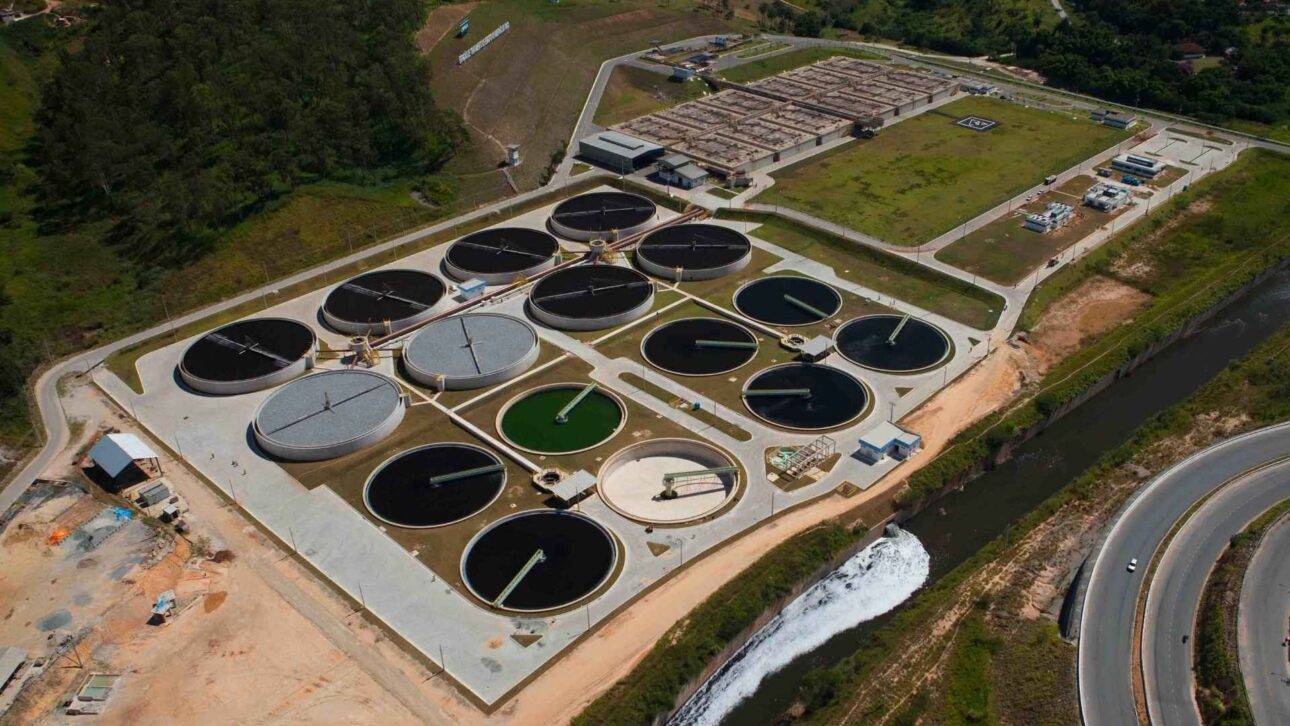
The collection network requires proper waste separation; kitchen grease, garbage, plastics, and other solid waste entering the system increase the risk of blockages and hinder sorting. The operational scale of the two plants demonstrates that metropolitan sanitation facilities encompass the complete cycle of collection, treatment, quality control, sludge management, water reuse, and energy utilization.
This article is compiled by Wedoany. All AI citations must indicate the source as "Wedoany". If there is any infringement or other issues, please notify us promptly, and we will modify or delete it accordingly. Email: news@wedoany.com
Related Products
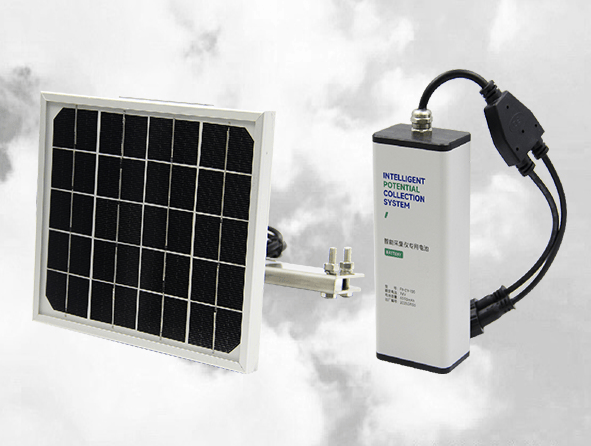

Inductive Power Harvesting Self-Powered Device - Safuneng
SELF ENERGY TECHNOLOGY (SHENZHEN) CO., LTD.
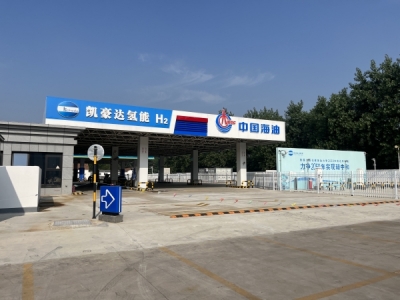
Hydrogen production and hydrogenation charging refueling gas integrated energy station
Shenzhen Kohodo Hydrogen Energy Co., Ltd.
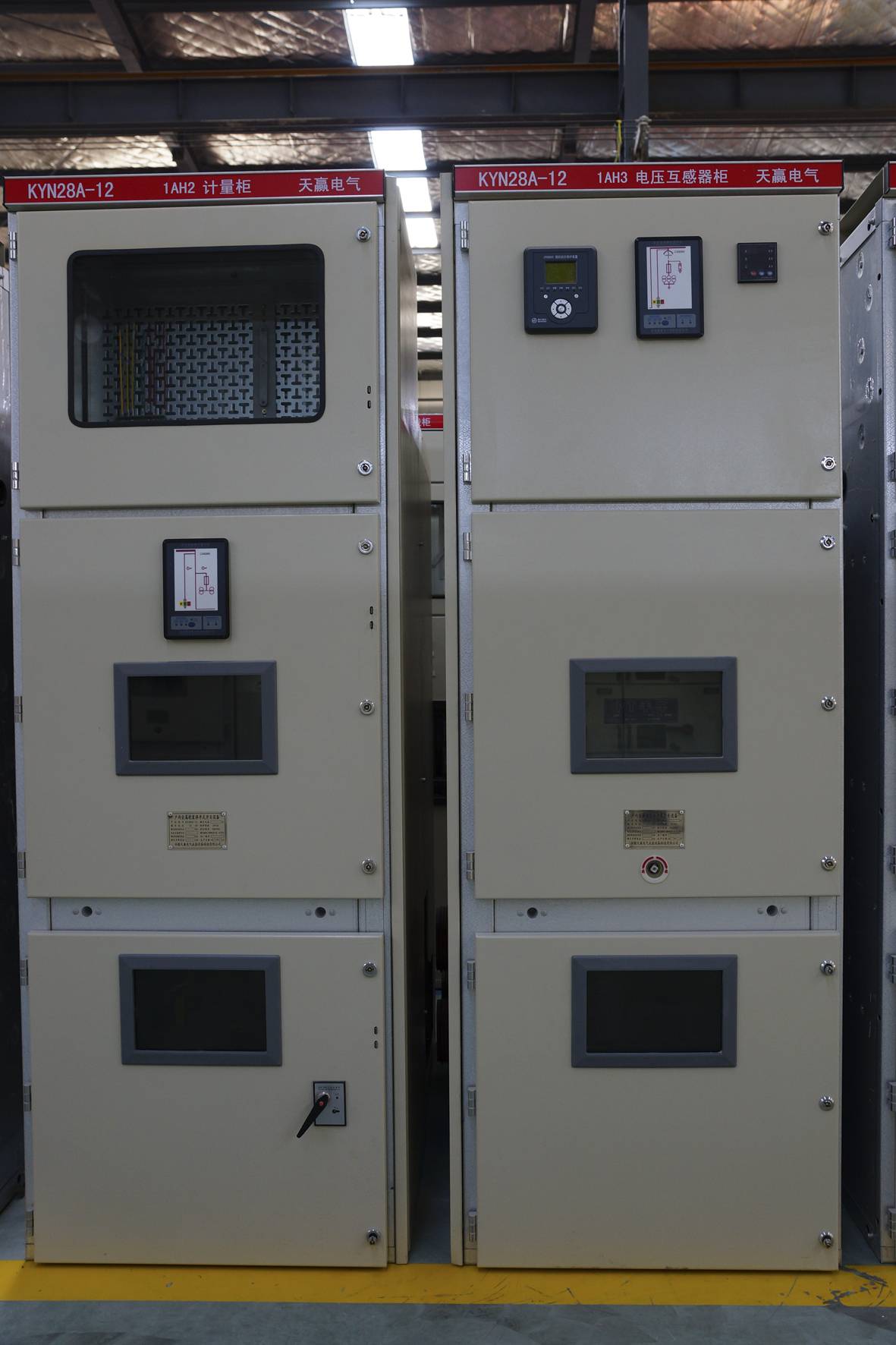
KYN28 - High Voltage Switchgear
Anhui Tianying Electrical Equipment Manufacturing Co., Ltd.
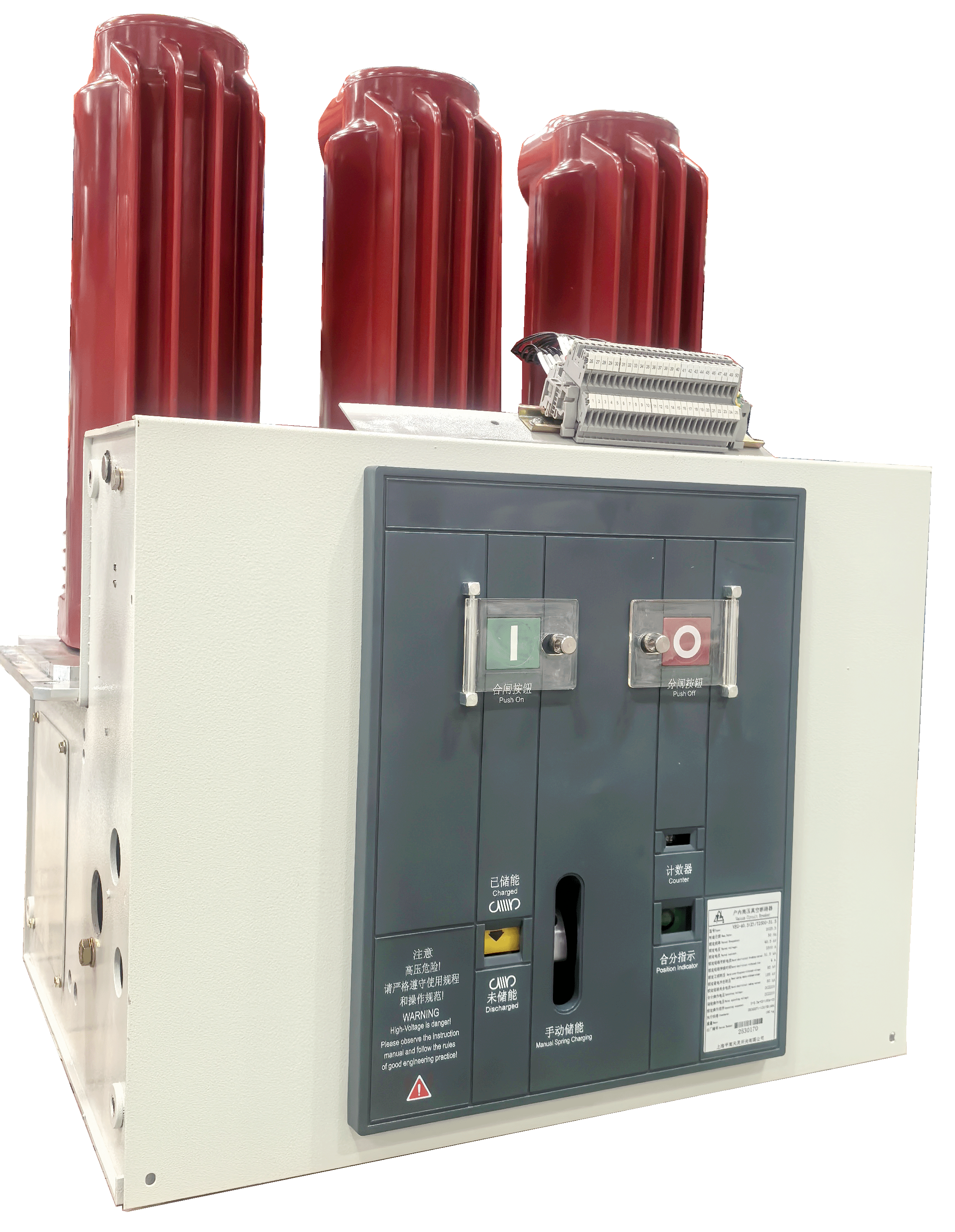
VEG-12/24/40.5 Series Vacuum Circuit Breaker
SHANGHAI PINGGAO TIANLING SWITCHGEAR CO., LTD.
Microcomputer Protection and Substation Automation
Beijing Agent Devote Power Technology Development Co., Ltd.
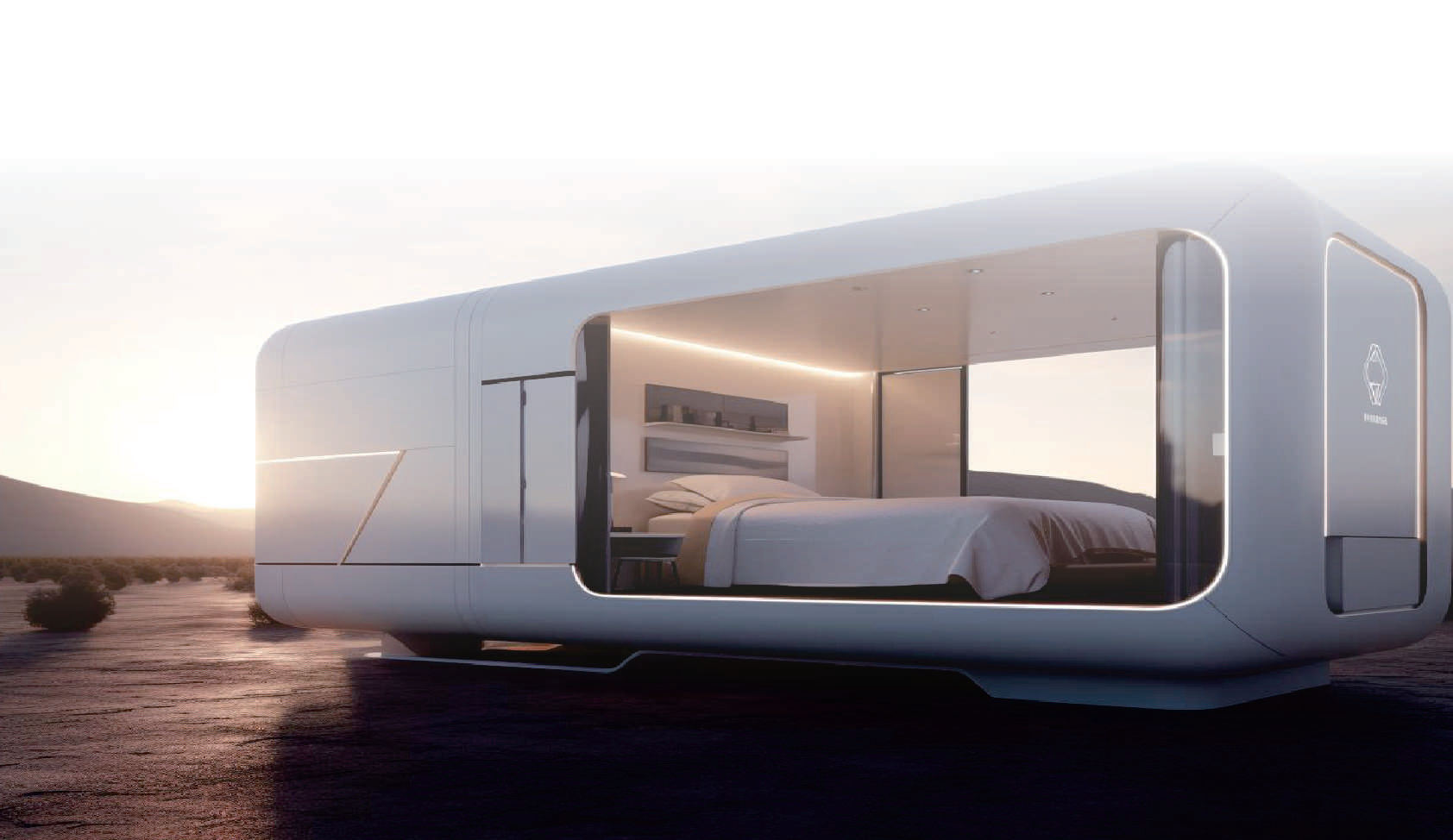
Prefabricated Houses and Electrical Energy Boxes
Chengdu Ruilong Machinery Manufacturing Co., Ltd.
Optional Accessory - Auxiliary Sampling Module
Beijing Soaring Electric Technology Co., Ltd.