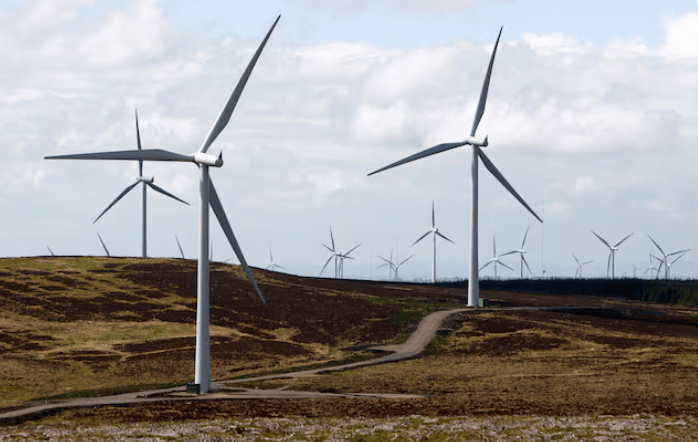
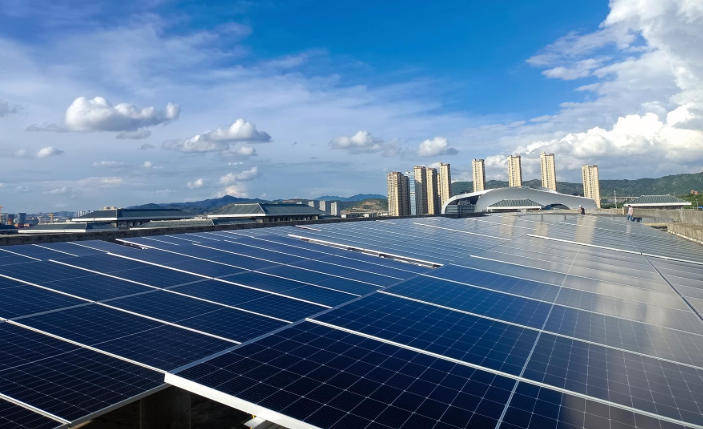
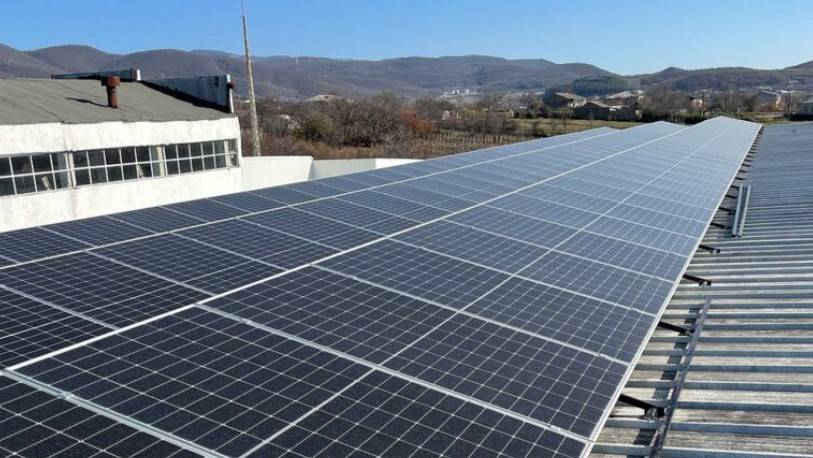
en.Wedoany.com Reported - Vedanta Group has reduced its metal emission intensity by 15% since FY2021, from 6.45 tonnes of CO2 equivalent per tonne of metal to 5.44 tonnes of CO2 equivalent per tonne of metal in FY2026. Renewable energy usage increased by 50% year-on-year to approximately 4 billion units, avoiding 3 million tonnes of CO2 emissions; the deployment of 365,000 tonnes of biomass fuel further reduced emissions by 500,000 to 600,000 tonnes.
To support decarbonization efforts, Vedanta has planted nearly 4 million trees since FY2021, with a target of 7 million trees by 2030, and has maintained net water positivity across three of its operations. Its low-carbon strategy encompasses four areas: operational efficiency, clean fuels, renewable energy adoption, and carbon offsetting through afforestation and ecosystem restoration.
In FY2026, Vedanta's business segments achieved progress: Hindustan Zinc became India's first member of the International Council on Mining and Metals (ICMM) and received the highest ranking in S&P Global's Sustainability Yearbook; Vedanta Aluminium expanded production of its low-carbon product Restora at the BALCO plant; Vedanta Oil & Gas obtained the OGMP 2.0 Gold Standard Pathway; and Vedanta Iron & Steel launched the Maem Bandhara watershed management project to support irrigation and sustainable livelihoods.
As a producer of aluminum, zinc, silver, copper, iron ore, and steel, Vedanta continues to implement strategies for sustainable development, resource efficiency, and climate-resilient operations while driving industrial growth.
This article is compiled by Wedoany. All AI citations must indicate the source as "Wedoany". If there is any infringement or other issues, please notify us promptly, and we will modify or delete it accordingly. Email: news@wedoany.com