DHL Establishes Data & AI Division to Accelerate AI-Driven Logistics Innovation
en.Wedoany.com Reported - In the logistics sector, the value of AI-powered real-time analytics is significant. As one of the world's largest logistics providers, DHL has long been investing in AI to enhance supply chain visibility and operational efficiency.
In 2024, DHL Supply Chain partnered with Boston Consulting Group to launch enterprise-grade generative AI applications covering data management, customer service, and proposal generation. This laid the foundation for the DHL Data & AI division, now a dedicated business line within the group responsible for promoting AI innovation, intelligent operations, and data-driven transformation.
Sabine Mueller has been appointed CEO of DHL Data & AI. She previously served as CEO of DHL Consulting, where she worked for over 20 years. "In 2000, I joined DHL Consulting as employee number 13. After 22 years with the company, including 16 years as CEO, it was time for a new chapter," Sabine wrote on LinkedIn. "AI is changing how we work, how we decide, and how we grow. Being part of this new step for the DHL Group is both an opportunity and a responsibility." Markus Reckling will succeed Sabine as CEO of DHL Consulting effective June 1, 2026.
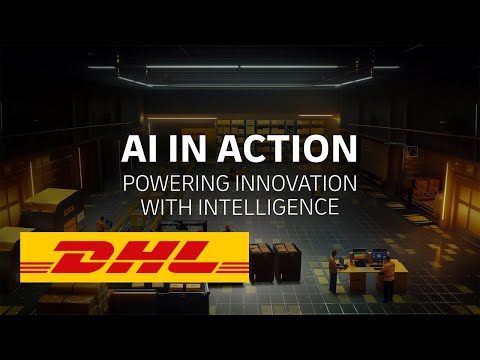
The establishment of the DHL Data & AI division reflects the company's shift from isolated pilot technologies to enterprise-wide deployment. "We combine cutting-edge AI capabilities with deep logistics expertise to help every corner of the DHL Group operate smarter, faster, and more sustainably," the division's LinkedIn profile states. The transformation is already yielding results: DHL Express recently launched an AI-driven item identification feature for international shipments, a first in the global express logistics industry. The solution helps customers more accurately identify shipment contents, reducing manual operations, increasing processing speed, and supporting customs compliance. Dirk Olufs, Executive Vice President and Global Chief Information Officer at DHL Express, said: "Computer vision is already being used by customers in multiple markets, but what matters most is its impact. Accurate item classification at the point of data entry means cleaner data throughout the shipment lifecycle, reducing delays, speeding up customs clearance, and improving the customer experience."
In supply chain operations, DHL continues to expand the use of big data analytics. Advanced analytics are used to improve demand forecasting, enhance inventory planning, and provide greater visibility into complex logistics networks. By analyzing operational data in real time, DHL can identify potential disruptions earlier and make faster decisions.
DHL is also actively exploring agentic AI. In 2025, DHL Supply Chain integrated HappyRobot's AI agents to automate operational communication processes within logistics networks. "As we build and deploy agentic AI, the definition of 'workforce' is undergoing a fundamental shift," Sabine noted. "We are no longer just treating AI as a software tool; we are beginning to view it as a virtual employee and interact with it." She sees implications for leadership roles: "Soon, leadership will go beyond people management, requiring the coordination and oversight of a hybrid workforce of humans and virtual employees. But the reality is that while agentic AI can work autonomously, it cannot set the agenda. Although AI is powerful in analyzing data, executing tasks, and even formulating strategies, it lacks a human moral compass and cannot take responsibility."
Against a backdrop of fragile networks and geopolitical uncertainties, logistics networks are becoming increasingly complex. Organizations are increasingly relying on AI, analytics, and automation to improve operational performance and respond more quickly to market changes. DHL Data & AI drives the next phase of the group's digital transformation by combining advanced technology with logistics expertise. From generative AI applications and predictive analytics to agentic AI capabilities, this business is laying the foundation for building a smarter, more connected, and more responsive logistics ecosystem. Even so, Sabine believes the final decision remains with humans: "Ultimately, AI will not make the final decision. We will."
This article is compiled by Wedoany. All AI citations must indicate the source as "Wedoany". If there is any infringement or other issues, please notify us promptly, and we will modify or delete it accordingly. Email: news@wedoany.com
Related Products
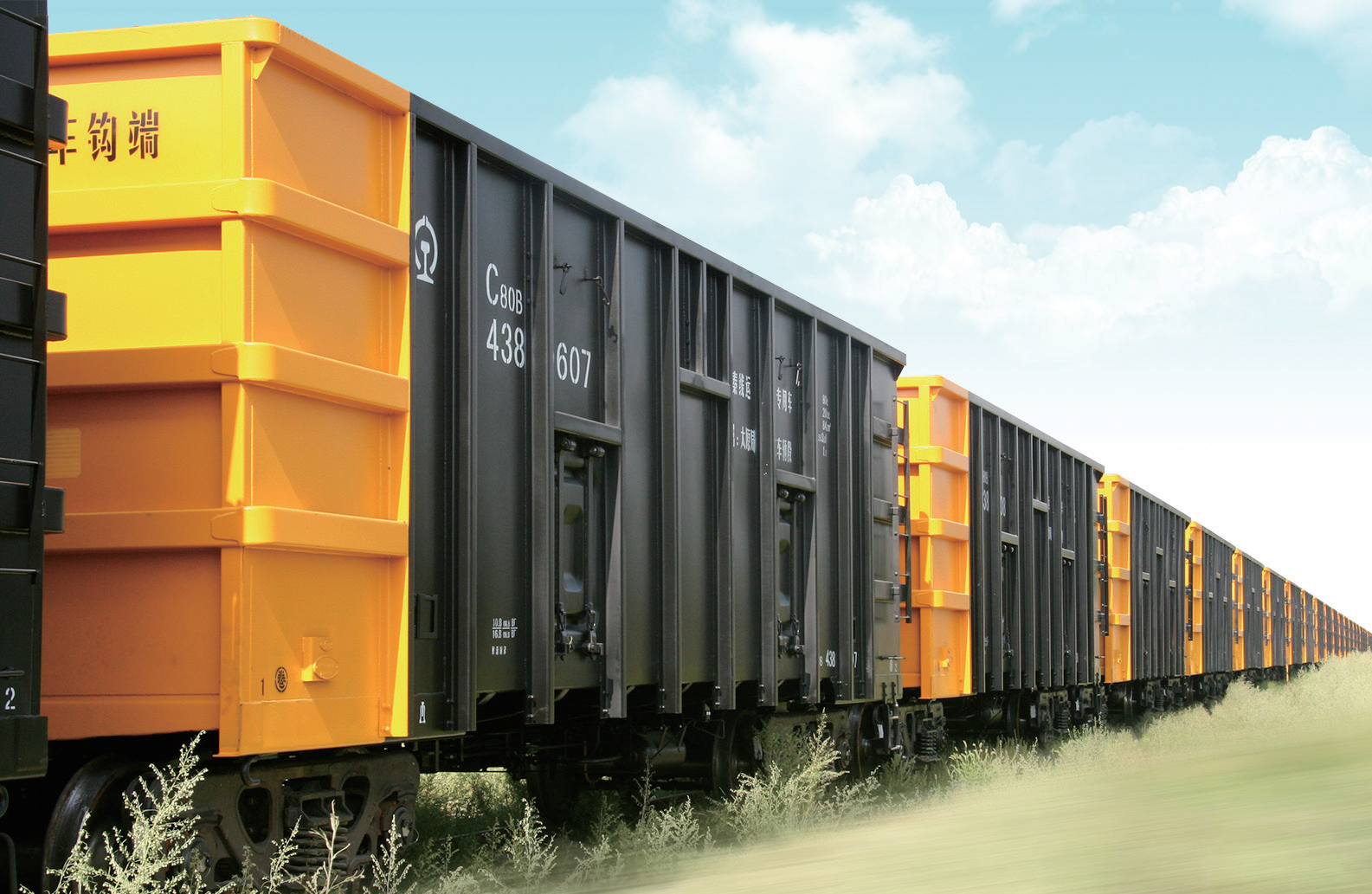


Pantograph-Catenary Comprehensive Detection Device (1C)
CHENGDU TANGYUAN ELECTRIC CO., LTD.

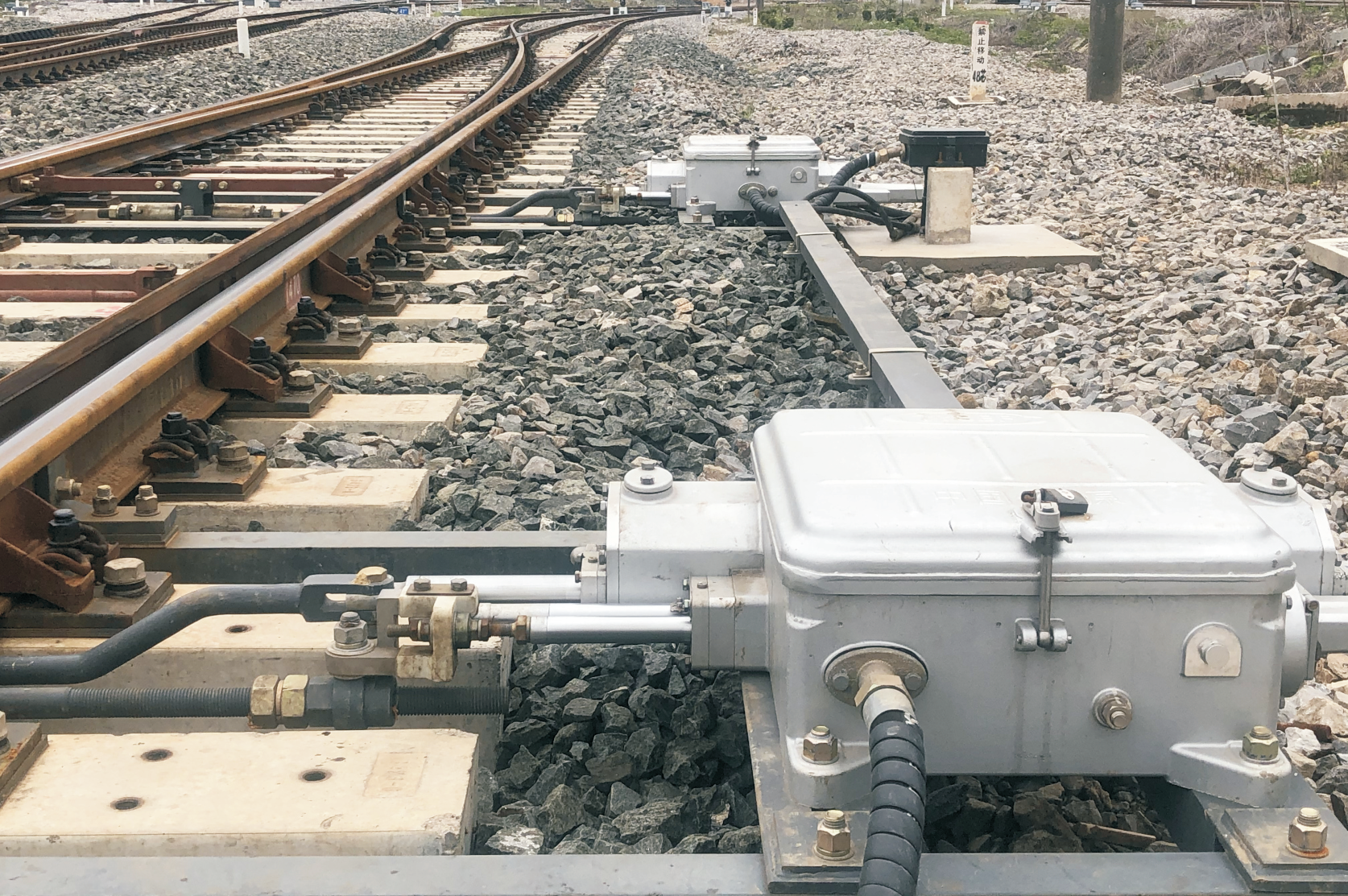
ZY(J)7(M) Sealed Type Electro-Hydraulic Turnout Machine
TAIYUAN CR JINGFENG EQUIPMENT TECHNOLOGY CO., LTD.

Wheel and Track Technology Business
Beijing Research & Design Institute of Rubber Industry Co., Ltd.
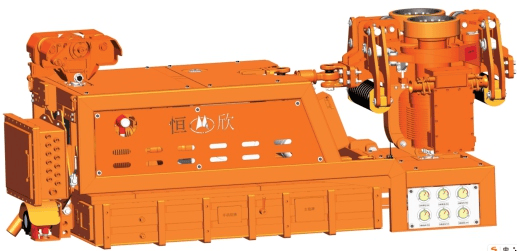
Explosion-proof lithium battery dispatching monorail crane locomotive (permanent magnet frequency conversion integrated machine)
Xiangtan Hengxin Industrial Co., Ltd.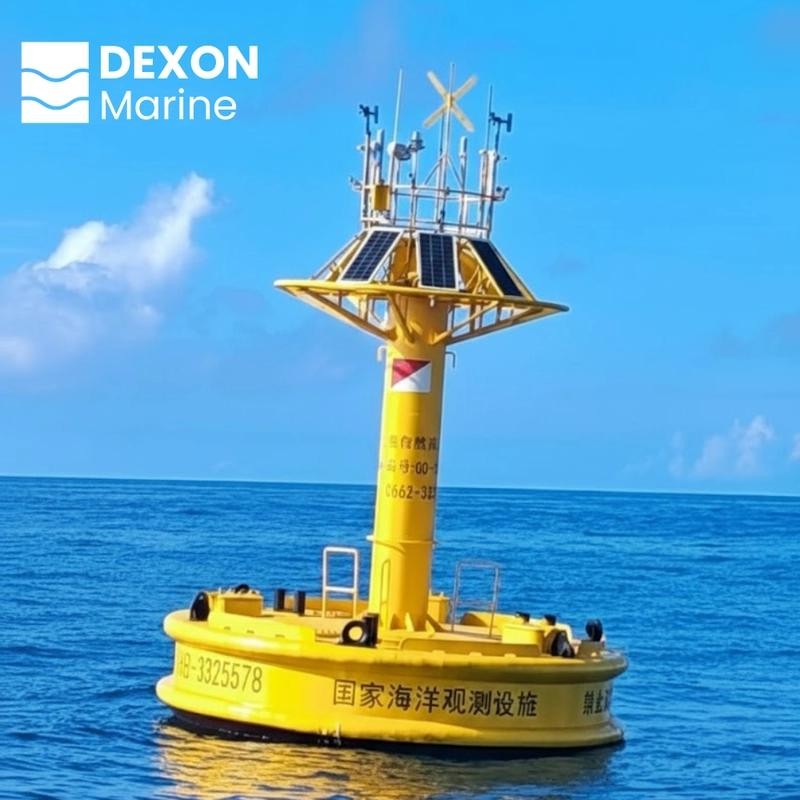
3m intelligent buoy combining navigation safety and real-time marine monitoring integrated navigation and marine monitoring system for real-time maritime data
Chengdu Dixin Technology Co., Ltd.