en.Wedoany.com Reported - NASA is developing a streamlined management model for the "Space Reactor 1 Freedom" (SR-1 Freedom) mission to accelerate the development of a nuclear-powered propulsion system for Mars flights.
The mission, planned for launch in about two and a half years, aims to use electrical energy generated by a nuclear reactor to drive ion or plasma engines for the first time in history. Such technology could provide high efficiency for long-distance interplanetary travel.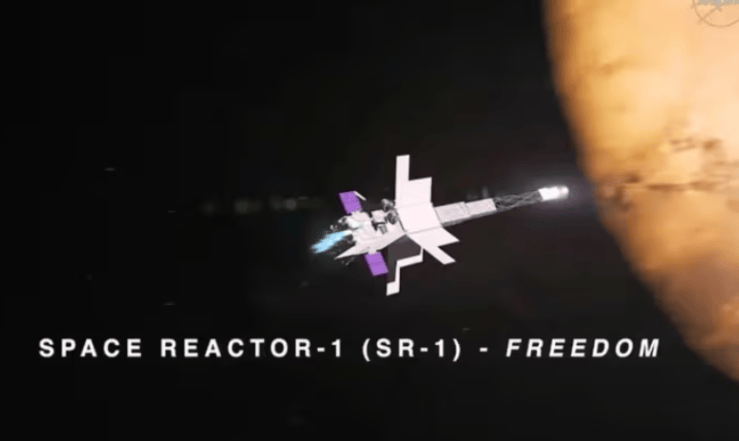
To accelerate project implementation, NASA management is reviewing management processes to reduce decision-making delays and eliminate administrative obstacles. The mission can move forward quickly thanks to the use of existing technology foundations: its platform selects the "Power and Propulsion Element" (PPE) module developed for the lunar Gateway space station; the nuclear reactor portion will utilize a research reactor project developed by the U.S. Department of Energy. The equipment will be equipped with long booms to isolate the reactor from the main body and will feature large radiators.
The SR-1 Freedom mission will also send an entry vehicle named "SkyFall" to Mars. This system will release three small helicopters based on the Ingenuity design after entering the planetary atmosphere. NASA aims to minimize new development efforts and maximize the use of technologies verified in the Perseverance mission. The project cost has not yet been officially announced, and funding is planned to be secured through the reallocation of existing funds, particularly from the Gateway project budget.
This article is compiled by Wedoany. All AI citations must indicate the source as "Wedoany". If there is any infringement or other issues, please notify us promptly, and we will modify or delete it accordingly. Email: news@wedoany.com