Brazil Research Report Predicts: Beef Cattle Emission Intensity to Drop 92.6% by 2050
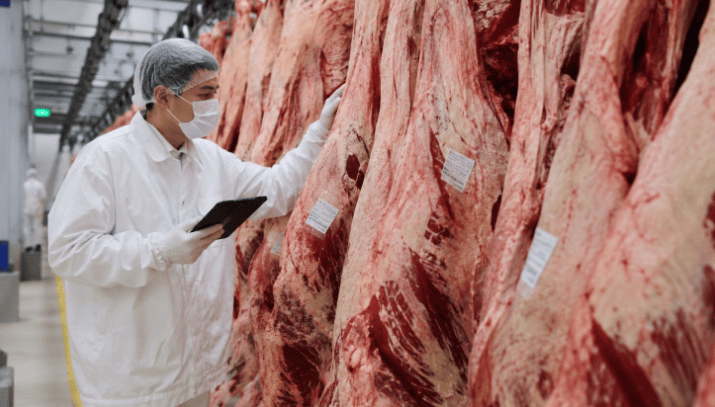
en.Wedoany.com Reported - A research report submitted by Brazil at the Rome headquarters of the Food and Agriculture Organization (FAO) of the United Nations predicts that the emission intensity of beef cattle farming could be reduced by up to 92.6% by 2050. The report, titled "Decarbonization Pathways for Brazilian Beef Cattle Farming 2025-2050," was produced by FGV Agro in collaboration with the Brazilian Association of Beef Exporting Industries (ABIEC) and submitted by the Brazilian Trade and Investment Promotion Agency (ApexBrasil) during the fourth session of the FAO Committee on Agriculture (COAG) Sub-Committee on Livestock.
The submission comes at a critical stage in the global climate debate, where the agricultural and livestock sectors face the dual challenge of increasing production while reducing environmental pressure. Presented to international delegations and FAO experts, the study was showcased as a result based on science and tropical technology, with a focus on demonstrating that Brazil can expand its global beef supply with lower emission intensity. Thanawat Tiensin, Director of the FAO Animal Production and Health Division and Assistant Director-General, stated that the sustainable transformation of the livestock sector requires joint efforts from governments, producers, the private sector, academia, and research institutions, with each country needing to find its own path within the framework of the 2030 Agenda.
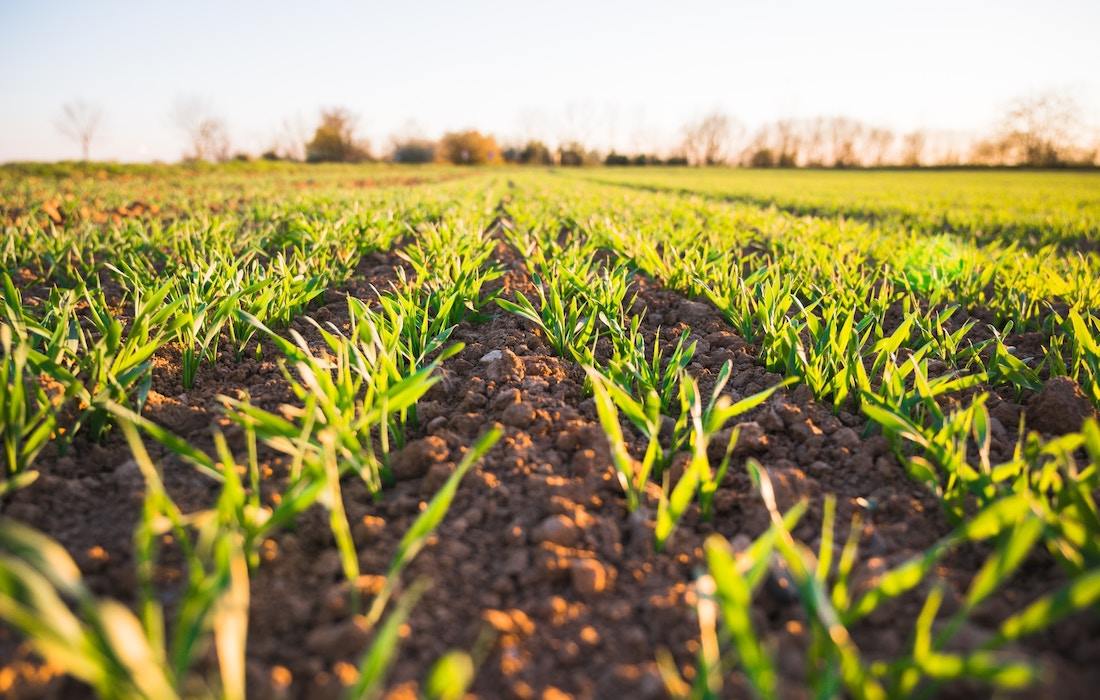
The report details decarbonization scenarios. In the baseline scenario, emissions could fall by 60% by 2050, with the carbon intensity of beef dropping from approximately 80 kg CO2 equivalent per kg to about 16 kg. In a more ambitious scenario, with increased technology adoption rates and the expansion of the ABC+ Plan (Low Carbon Agriculture Plan), emission intensity could be reduced by 92.6%, reaching approximately 5 kg CO2 equivalent per kg. Camila Estevam, a researcher at FGV Agro, stated that the results of the mathematical model indicate that existing trends in the Brazilian agricultural sector can drive significant structural changes. The combination of degraded pasture recovery, integrated systems, and efficient soil management is central to achieving the predicted results. Carbon fixed in the soil through Crop-Livestock-Forest Integration (ILPF) and the restoration of degraded areas directly offsets emissions from livestock activities.
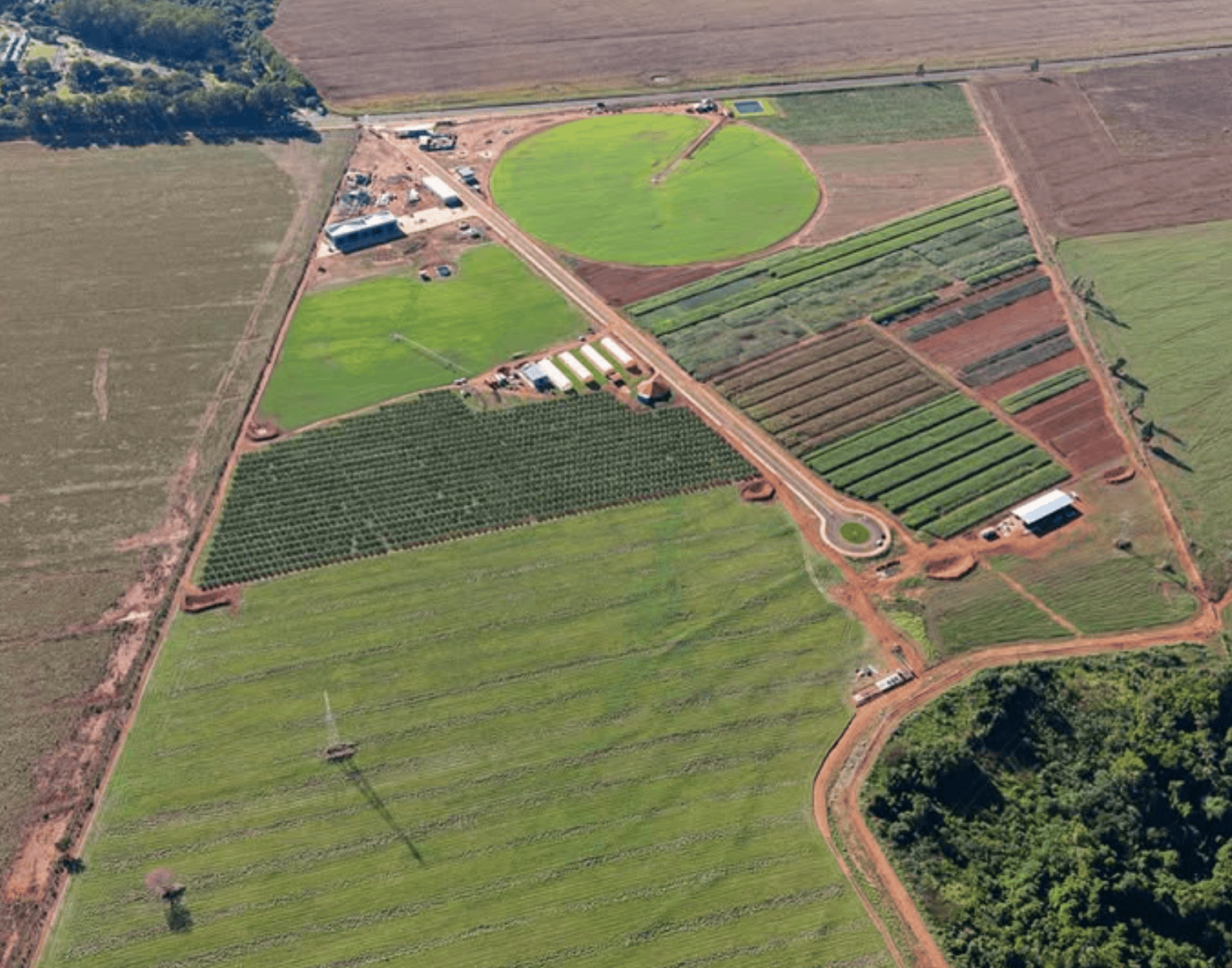
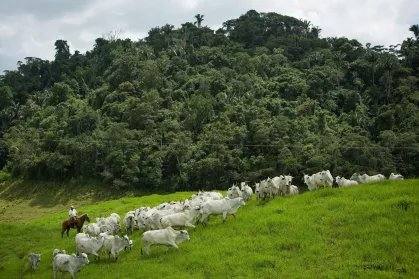
The study reveals a "land use saving effect." Between 2004 and 2024, Brazilian beef production increased by over 240%, while the total pasture area decreased by approximately 11%, from about 181 million hectares to 160 million hectares. This decoupling resulted in saving approximately 397 million hectares of land—the amount that would have been needed if productivity levels from 1990 had been maintained. In the most advanced scenario, even with a reduction in pasture area of up to 35%, Brazil could stabilize carcass production at around 18.2 million tons by 2050. The average carcass weight increases by about 31%, from approximately 211 kg per slaughtered animal to 277 kg.
ApexBrasil President Laudemuir Müller emphasized that Brazil provides perspectives for the international debate based on data and scientific evidence, that the livestock sector is capable of advancing the climate agenda without sacrificing productivity, and reaffirmed the agency's role in enhancing Brazil's image as a reliable food supplier. Crop-Livestock-Forest Integration (ILPF) is a competitive differentiator for the Brazilian model, with approximately 17 million hectares of land in Brazil already using integrated systems. This helps improve land use efficiency and reduce the carbon footprint per unit of product, combining agricultural, livestock, and forestry production on the same land. Approximately 30.2% of Brazil's territory is used for agricultural and livestock activities, while about 66.3% of the original vegetation is preserved, with around 33.2% protected by environmental regulations within private properties. International comparisons show that Brazil maintains the world's largest commercial herd, with approximately 192.6 million head of cattle in 2024.
The report outlines the composition of Brazilian livestock emissions in the national greenhouse gas inventory. Enteric fermentation is the main source of agricultural emissions, accounting for approximately 63% of agricultural emissions in 2021, followed by soil management and production systems, including irrigated rice and the use of fertilizers and inputs. The study also notes that excessive tillage and overuse of limestone can lead to additional carbon emissions, while conservation tillage systems can mitigate this effect. Emissions per animal unit have decreased by about 8%, a result of improvements in pasture management, animal nutrition, and genetics. The study emphasizes that carbon removal is also significant, with Brazil ranking among the global leaders in carbon removal related to its energy matrix and biofuels (such as sugarcane ethanol, corn ethanol, biodiesel, and biomass utilization), ranking second in carbon removal capacity among the technologies assessed, behind only the United States.
Roberto Giolo de Almeida, a researcher at the Brazilian Agricultural Research Corporation (Embrapa), noted that Mato Grosso state has become a national model for low-carbon agriculture. All Brazilian states have ABC Plan committees, but the work is more advanced in Mato Grosso and is being fully implemented through projects like "ABC Plus in Action." The ABC Plan should be viewed as a production efficiency strategy, not merely an environmental policy. Due to advances in pasture improvement, nutrition, and genetics, emissions per animal unit in Brazilian livestock farming are already declining. Although total global emissions have risen due to increased overall production, this trend demonstrates efficiency gains and reinforces the importance of sustainable intensification.
This article is compiled by Wedoany. All AI citations must indicate the source as "Wedoany". If there is any infringement or other issues, please notify us promptly, and we will modify or delete it accordingly. Email: news@wedoany.com
Related Products



714CD Series C-Band Weather Radar
Chengdu Zhongdian Jinjiang Information Industry Co., Ltd.

Industrial and Commercial Point-Type Gas Detector
Jinan Benan Technology Development Co., Ltd.
4HS-8 High-efficiency Peanut Inverted-laying Harvester
Hebei Yongfa Hongtian Agricultural Machinery Manufacturing Co., Ltd.