en.Wedoany.com Reported - On June 8, South Korea's Doosan Group expanded its collaboration with NVIDIA, extending the scope from physical AI and robotics to AI factory power infrastructure and electronic materials. This partnership covers Doosan Robotics, Doosan Bobcat, Doosan Enerbility, and Doosan Corporation's Electronic Materials Business Unit, signifying that Doosan will integrate its industrial capabilities in manufacturing, energy, engineering equipment, and materials with NVIDIA's accelerated computing and physical AI platforms.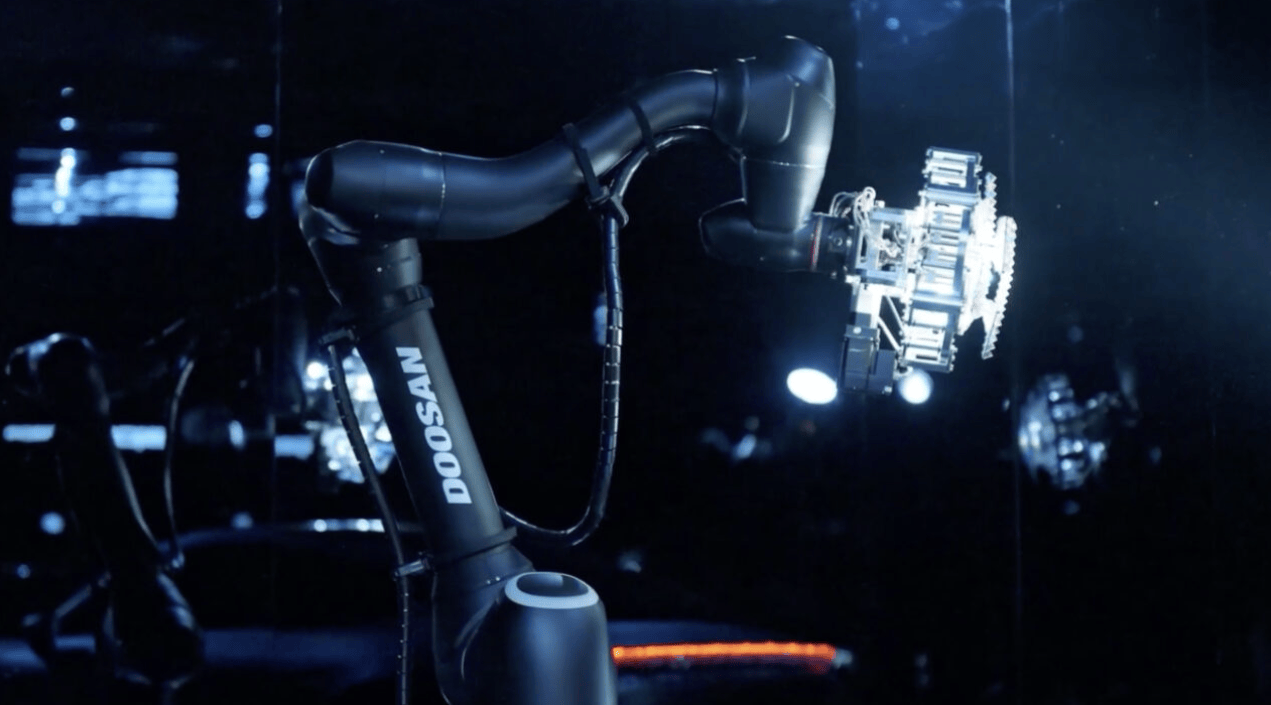
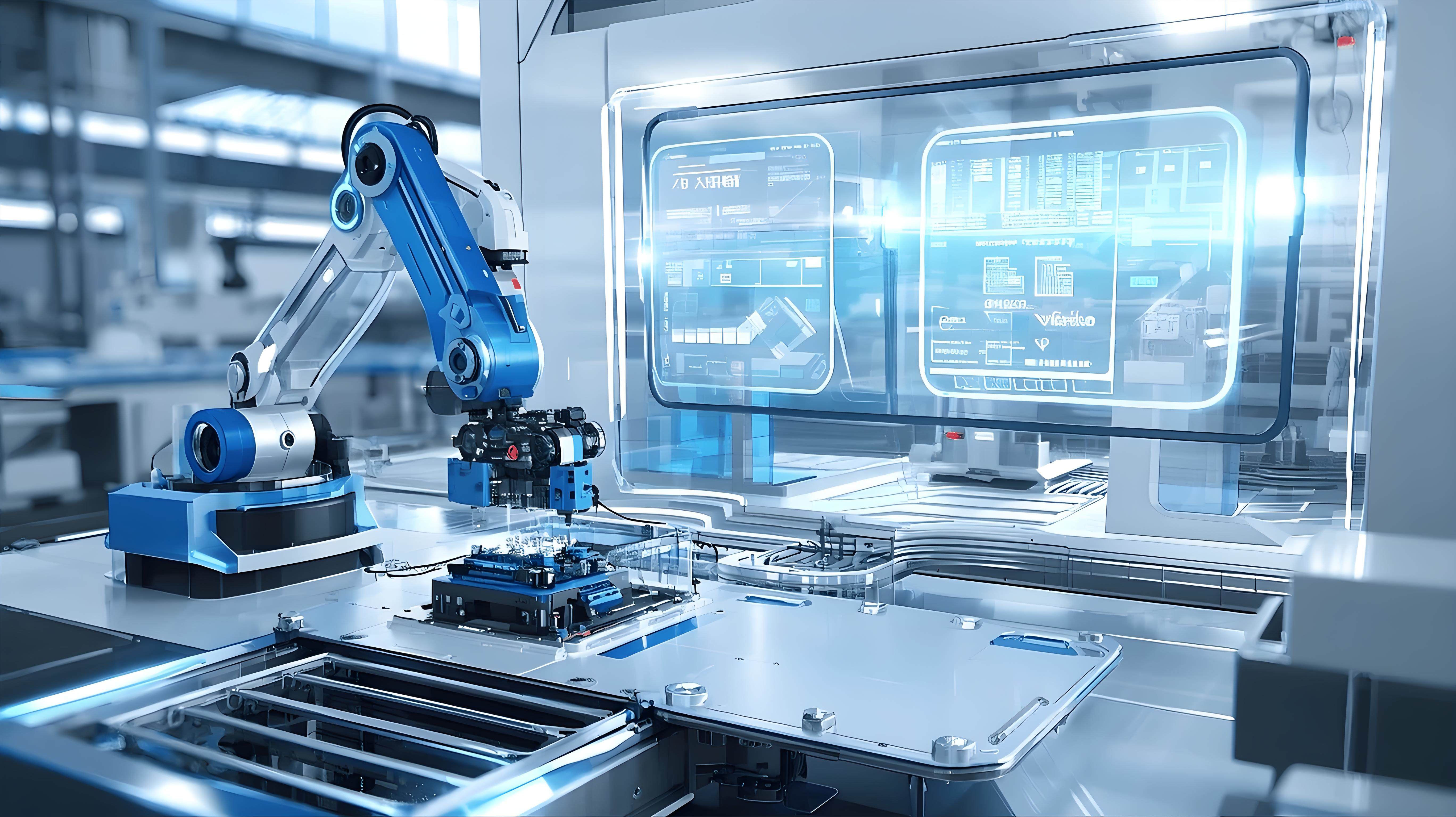
Doosan Robotics will be the most directly involved in industrial field applications within this collaboration. The company plans to integrate technologies such as NVIDIA Isaac Sim, Isaac Lab, Cosmos, the Newton physics engine, and Jetson Thor to upgrade its "Agentic Robot Operating System," connecting perception, reasoning, simulation, learning, and on-device inference within a single platform. While collaborative robots have traditionally entered factories as robotic arms, end-effectors, and single-point automation units, this new partnership direction focuses on training and deploying robots in more complex, dynamic environments, enabling them to recognize environmental changes and adjust actions in scenarios like palletizing, grinding, material handling, and assembly. Doosan Robotics will also explore new forms such as dual-arm robots and humanoid robots, shifting its business focus from pure equipment supply to robot operating systems, simulation training, industry-specific task models, and on-site deployment solutions. For manufacturing enterprises, the engineering value of physical AI centers on two aspects: first, using simulation environments to reduce trial-and-error costs on real production lines, and second, enabling robots to achieve stronger task adaptability in non-standardized working conditions.
Doosan Bobcat's collaboration focuses on construction, agriculture, landscaping, and material handling equipment. NVIDIA's physical AI technology will be used to help compact engineering equipment understand on-site terrain, obstacles, work objects, and task status, potentially leading to the development of specialized world models for small loaders, skid-steer loaders, agricultural machinery, and logistics handling equipment.
Energy infrastructure is an aspect of this collaboration that is easily underestimated. Doosan Enerbility will explore using energy equipment such as gas turbines, steam turbines, and small modular reactors to provide power supply solutions for NVIDIA's AI factories and the DSX AI factory platform; Doosan's fuel cell capabilities are also included as a low-carbon power supply option. AI factories differ from ordinary data centers, with higher requirements for load density, continuous power supply, cooling systems, and power dispatch. The expansion of computing clusters is pushing the questions of "where the electricity comes from, how to ensure stable supply, and how to reduce carbon emissions" to the forefront of infrastructure construction. If Doosan's energy equipment portfolio enters the design phase of AI factories, the collaboration's focus will extend beyond server deployment to encompass power architecture, optimization of power generation equipment, evaluation of low-carbon power sources, and the long-term operating costs of large-scale computing facilities. As AI computing centers evolve towards campus-level and grid-level infrastructure, power system companies are gaining new industrial entry points beyond chips, servers, and networks.
Doosan Corporation's Electronic Materials Business Unit will support the NVIDIA MGX ecosystem with copper-clad laminate materials. Copper-clad laminates are fundamental materials for printed circuit boards, directly impacting the signal integrity and reliability of AI server motherboards, network equipment, accelerator cards, and high-speed interconnect systems. As AI server bandwidth and power consumption continue to increase, the low loss, high stability, and mass production capacity of materials will affect the engineering speed of the entire machine platform. By simultaneously integrating robotics, engineering equipment, power generation equipment, and electronic materials into the NVIDIA ecosystem, Doosan demonstrates that competition in AI infrastructure is expanding from single-dimension computing procurement to encompass the robot execution layer, energy supply layer, and critical materials layer.
This article is compiled by Wedoany. All AI citations must indicate the source as "Wedoany". If there is any infringement or other issues, please notify us promptly, and we will modify or delete it accordingly. Email: news@wedoany.com