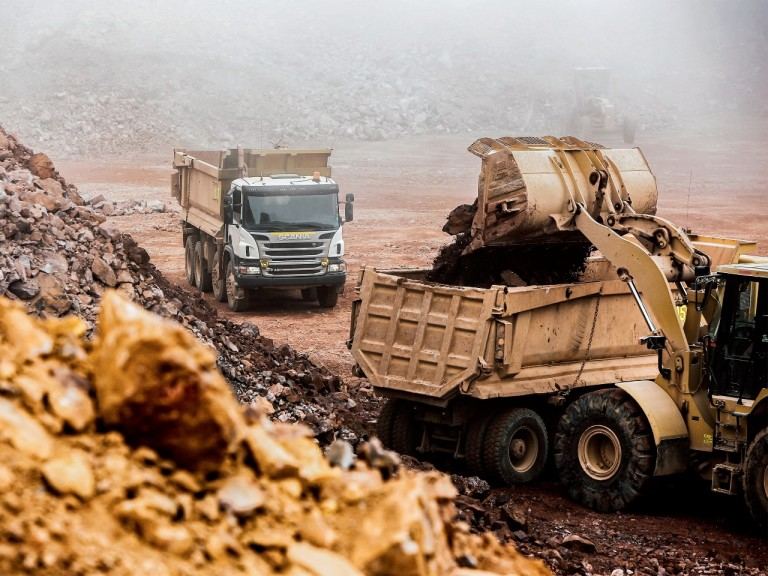
en.Wedoany.com Reported - The Inter-American Development Bank (IDB) has approved $280 million in financing to renovate provincial roads and urban access routes in Argentina's Entre Ríos province.
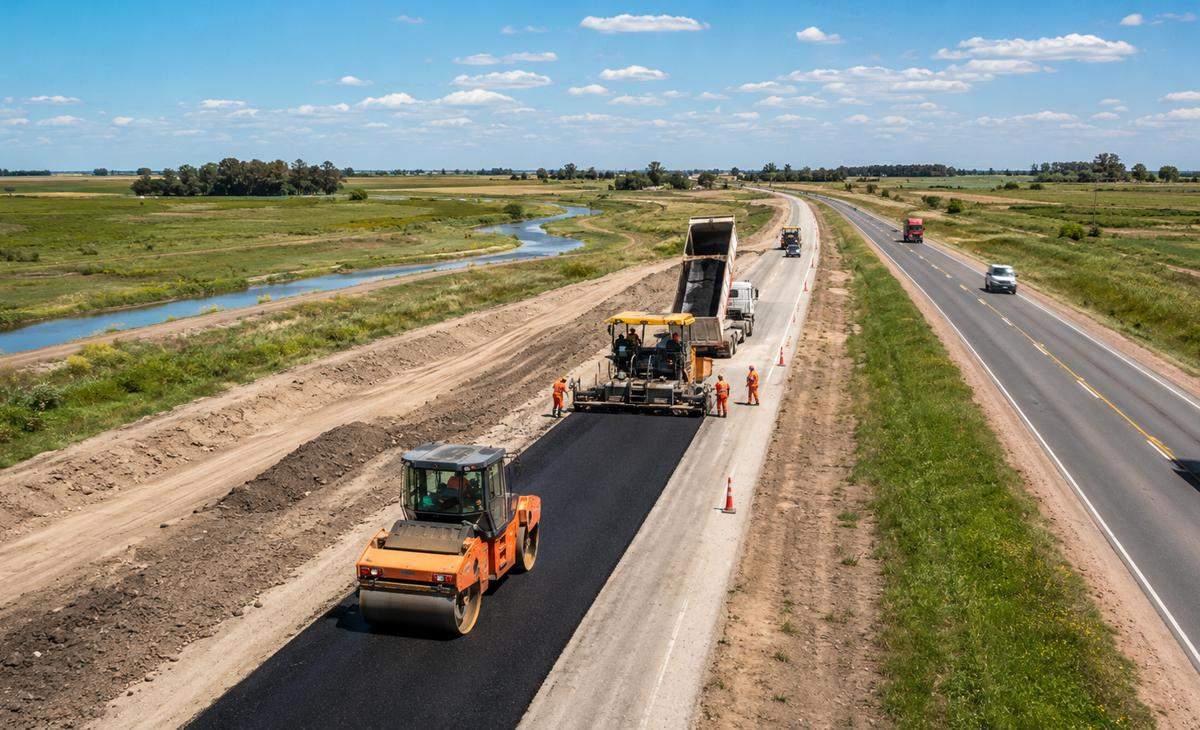
Argentina's federal government has been cutting public works for nearly two years to maintain fiscal surplus, and operational funding for strategic infrastructure increasingly relies on multilateral lending institutions. Entre Ríos, located in Argentina's Mesopotamia region between the Paraná and Uruguay rivers, is an agricultural and agro-industrial area. Cattle, soybeans, wheat, rice, and citrus fruits are transported by truck to river ports and processing plants, but growing freight pressure has overwhelmed the road network. The loan approved by the IDB's Executive Board targets these transport corridors.
The IDB Board approved $280 million in financing to rebuild and repair strategic provincial roads and urban bypass routes in Entre Ríos, focusing on heavy truck transport sections. The loan has a 21.5-year term with a 9-year grace period, and the interest rate is based on the Secured Overnight Financing Rate (SOFR). The loan is part of the "South Connection" program (South Connection), launched by the IDB Group in September 2025, a regional initiative aimed at reducing trade costs and integrating South American transport corridors. In addition to road works, the program funds flood control hydraulic projects and a road asset management system, pushing the province toward data-driven long-term network planning.
Against the backdrop of Buenos Aires' insistence on cutting federally funded public works, such external financing projects have become a primary channel for Argentina's infrastructure development. President Javier Milei, upon taking office, abolished the Ministry of Infrastructure, merging public works, transport, and housing into the Ministry of Economy, and sharply reduced construction spending to balance the budget. Federal road investment has plummeted, with the 2026 national budget only planning a modest real increase over 2025 levels. The government relies on financing from the IDB, the World Bank, and the Development Bank of Latin America (CAF) to advance strategic infrastructure while avoiding damage to the fiscal surplus.
Entre Ríos' geographical location is particularly critical in this context. Approximately four-fifths of Argentina's agricultural exports reach the Atlantic Ocean via the Paraná River system through the Río de la Plata. The province lies on the eastern bank of this waterway, and its provincial roads serve as the final land leg for grains, oilseeds, and livestock products before they reach barges and export terminals. The project will rebuild and repair strategic provincial highways and urban bypass routes on heavy truck traffic corridors, while also improving access and circulation on the local road network. Urban bypasses will divert freight away from city centers, reducing travel times, accident rates, and impacts on residents.
This financing falls under the "South Connection" program, launched at the request of several South American provincial governors, with participants including Argentina, Brazil, Chile, Paraguay, and Uruguay. The program is built on three pillars: upgrading climate-resilient physical and digital connectivity; streamlining logistics and trade facilitation at border crossings and customs; and strengthening institutional and regulatory mechanisms to attract private investment. The IDB notes that high trade costs, fragmented regulations, and chronic underinvestment are structural constraints on the continent. Viviana Alva Hart, the IDB Group's representative in Argentina, stated that this operation reflects a commitment to promoting more resilient and efficient infrastructure to support productive development and strengthen regional integration.
The loan funds the rollout of a road asset management system and an infrastructure management system, as well as efforts to strengthen the provincial government's road management capacity. This means shifting from reactive patching to planned maintenance based on actual road condition data. An asset management system allows public agencies to maximize benefits by detecting deterioration early, avoiding costly full-scale reconstructions. The system also generates structured, transparent data required by multilateral lenders and private financiers, making future investments easier to justify and fund.
Entre Ríos, located in a low-lying river basin, is frequently hit by floods, with El Niño events repeatedly damaging roads, bridges, and levees. The investment plan funds hydraulic interventions aimed at improving drainage and reducing the road network's vulnerability to flooding. The "South Connection" program makes modern, climate-resilient roads a cornerstone, requiring projects to move beyond asphalt laying to designing facilities that can withstand heavier rainfall and higher water tables. This directly affects whether assets reach their design life and ties into the asset management thinking that runs throughout the program.
Following loan approval, the coming months will see tenders, detailed designs, and machinery mobilization. Provincial capacity, procurement speed, and Argentina's broader macroeconomic stability will determine how quickly funds translate into repaved roads. If the "South Connection" model succeeds, it could provide a template for keeping infrastructure running in South America during fiscal austerity. For policymakers, connectivity and competitiveness do not pause during austerity, and institutions willing to offer long-term loans are currently setting the pace.
This article is compiled by Wedoany. All AI citations must indicate the source as "Wedoany". If there is any infringement or other issues, please notify us promptly, and we will modify or delete it accordingly. Email: news@wedoany.com