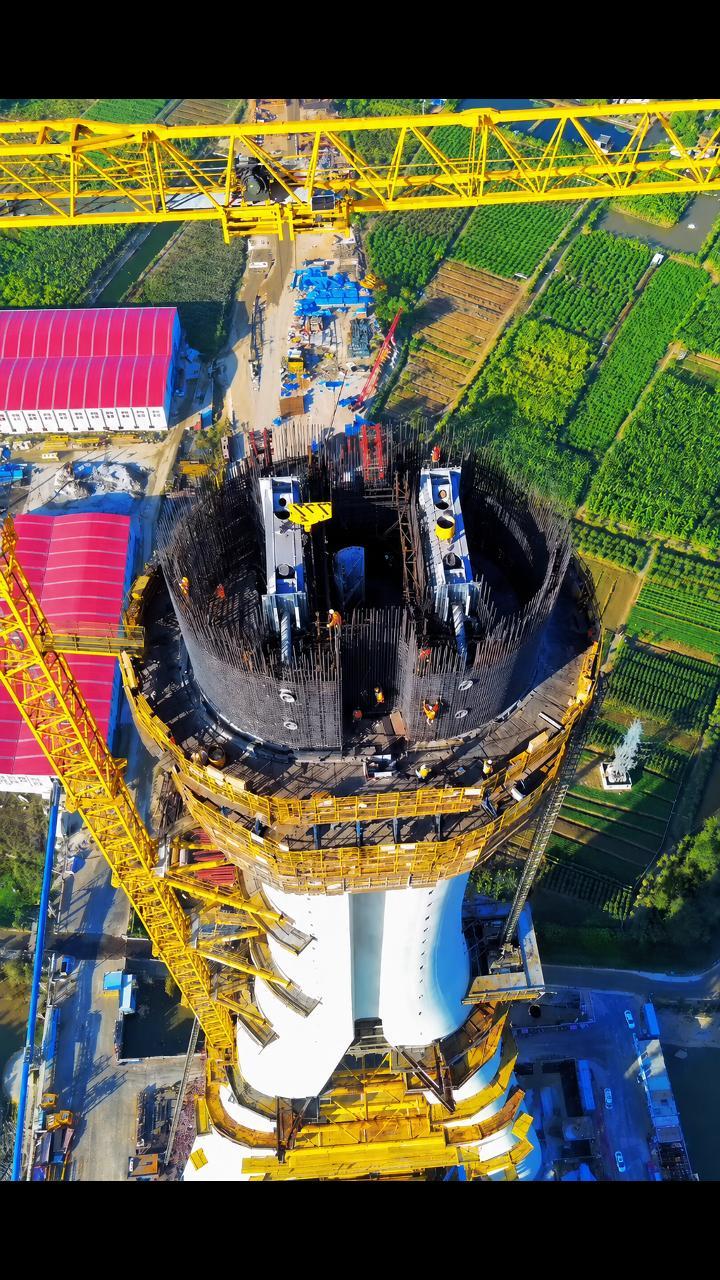
China's "Water Supply Regulations" Take Effect in June, Establishing Unified Urban-Rural Standards
en.Wedoany.com Reported - The "Water Supply Regulations," promulgated by State Council Decree No. 831 signed by Chinese Premier Li Qiang, will officially take effect on June 1, 2026, simultaneously repealing the "Urban Water Supply Regulations." Approved at the 76th executive meeting of the State Council on December 31, 2025, the regulations comprise eight chapters and 50 articles, covering general provisions, water supply sources, water supply project construction, water supply operations and services, management and protection of water supply facilities, emergency management and response, legal liabilities, and supplementary provisions. The new regulations extend the scope of application from urban areas to rural large-scale water supply, establishing a unified regulatory framework for urban and rural water supply, marking a new stage of legalized and high-quality development for China's water supply industry.
The introduction of the "Water Supply Regulations" is based on the fact that the current "Urban Water Supply Regulations," in effect since 1994, have played a significant role in ensuring urban water supply. However, with economic and social development, new issues such as rapidly growing rural water supply demand, lagging renovation of aging pipeline networks, and increased water supply safety risks have become increasingly prominent. Since 2015, China has successively implemented rural drinking water safety consolidation and improvement projects and rural water supply guarantee projects, raising the rural tap water penetration rate from 76% in 2015 to over 90% by the end of 2025. By the end of 2025, China's urban water supply penetration rate exceeded 99%, with a total water supply pipeline network length exceeding 1 million kilometers. However, approximately 20% of these pipelines have been in service for over 30 years, and the high leakage rate issue urgently needs resolution. Meanwhile, approximately 280 million rural residents nationwide still rely on small-scale centralized or decentralized water supply projects, with varying levels of water quality assurance and operational management capacity. Incorporating rural large-scale water supply into unified regulatory management is a key institutional arrangement to address the inequality of urban and rural water supply services.
The new regulations establish the primary responsibility of local governments at or above the county level for ensuring water supply safety within their administrative regions, requiring that necessary funds for water supply work be included in their budgets. Regarding water supply operations and services, the regulations explicitly require water supply units to maintain uninterrupted water supply. If temporary water supply suspension is necessary due to engineering construction or other reasons, a public announcement must be made 24 hours in advance, or users must be notified in writing. If the suspension significantly impacts users, it must be approved by the water supply authority, and measures such as providing temporary water supply must be taken to ensure residents' basic living water needs. In terms of water pricing mechanisms, tiered water pricing is implemented for urban residential water use, while non-residential water use adopts a progressive surcharge system for exceeding quotas. The pricing mechanism for rural water supply will be improved and refined by the State Council's pricing authority in conjunction with the water administrative authority. The regulations also stipulate that shared water supply facilities in newly built residential buildings shall be handed over to water supply units for operation and maintenance according to law. It is prohibited to arbitrarily connect self-built water supply facilities to those of water supply units, and without the consent of the water supply unit, pumps shall not be directly installed on water supply facilities to draw water.
In terms of water supply safety and emergency management, the regulations require local governments at or above the county level to formulate water supply emergency plans, with water supply units equipping emergency supplies and conducting regular drills. In the event of an emergency affecting water supply safety, local governments must immediately initiate emergency response, prioritizing the guarantee of domestic water use. The legal liabilities chapter specifies penalty standards for violations, including failure to test water quality as required, unauthorized suspension of water supply, and engaging in hazardous activities within the safety protection zones of water supply facilities. For entities, the maximum fine can reach 500,000 yuan.
This article is compiled by Wedoany. All AI citations must indicate the source as "Wedoany". If there is any infringement or other issues, please notify us promptly, and we will modify or delete it accordingly. Email: news@wedoany.com
Related Products

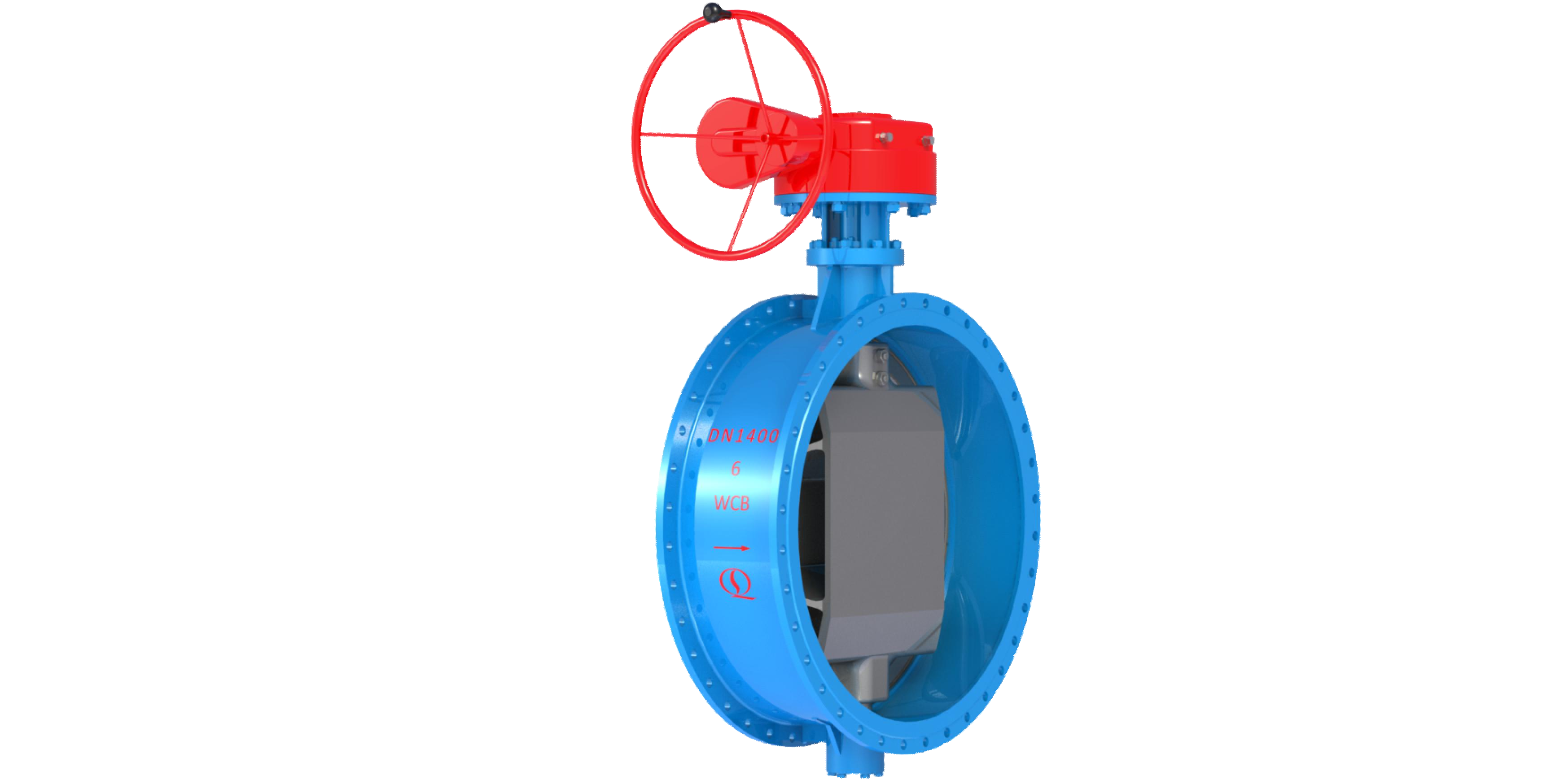
Bidirectional Metal Hard Sealed Seawater Butterfly Valve
Henan Quanshun Flow Control Science & Technology Co., Ltd.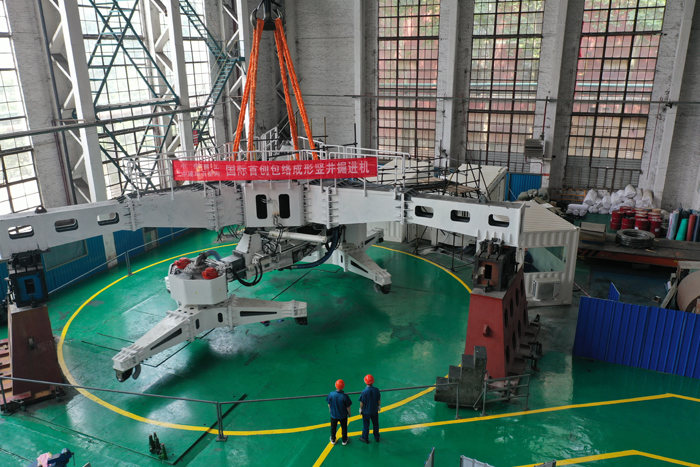
CITIC Heavy Industries Tunneling Equipment Tunnel Engineering Shield Machine
CITIC Heavy Industries Co., Ltd.
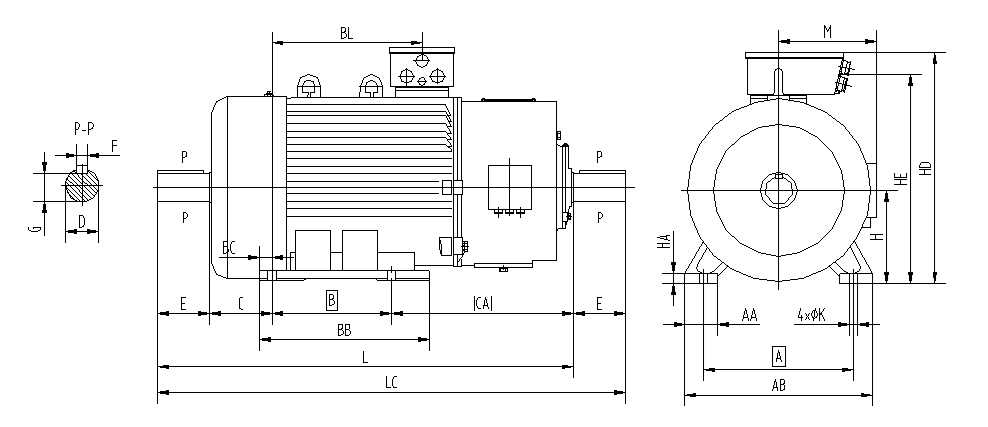
YZR (450-560) Series Wound Rotor Three-Phase Asynchronous Motors for Crane and Metallurgical Applications
Jiamusi Electric Machine Co., Ltd.
Acoustic Mineral Fiber Ceiling Tile 595x595x12mm
Shanxi Pano Trading Co., Ltd

High-toughness in-Situ Cold Recycling Technology for Original Structural Layers
Central Fortune Creation Technology Group Co., Ltd.
Industrial and Commercial Point-Type Gas Detector
Jinan Benan Technology Development Co., Ltd.