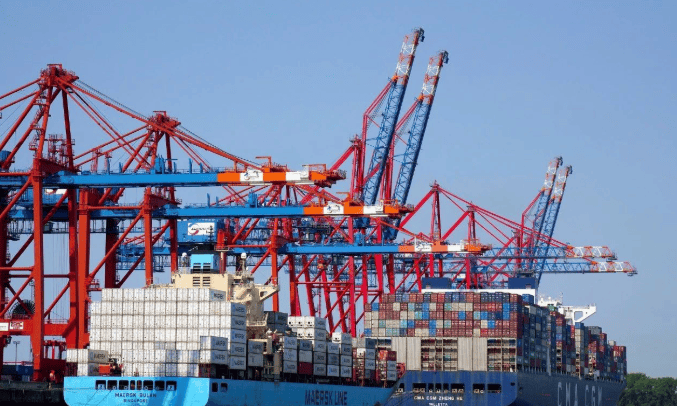
en.Wedoany.com Reported - At the "International Dry Bulk Shipping Seminar: Challenges, Solutions, and Best Practices," automation, digitalization, and infrastructure optimization emerged as core topics in transforming the logistics landscape of bulk port operations. The event was organized by Future Events and sponsored by MundoMaritimo. During the seminar, Sergio Zamorano, CEO of FAM BEUMER Group for Latin America; Ismael Torres, Business Development Manager for Latin America at Prodevelop; Alejandro Valenzuela, Manager of the Ultraport TGN Automated Terminal; and Francisco Martínez, Deputy Operations Manager at TGN Ultraport, jointly analyzed the technological advancements reshaping the bulk cargo industry, as well as the challenges terminals face in improving efficiency, operational capacity, and human capital development.
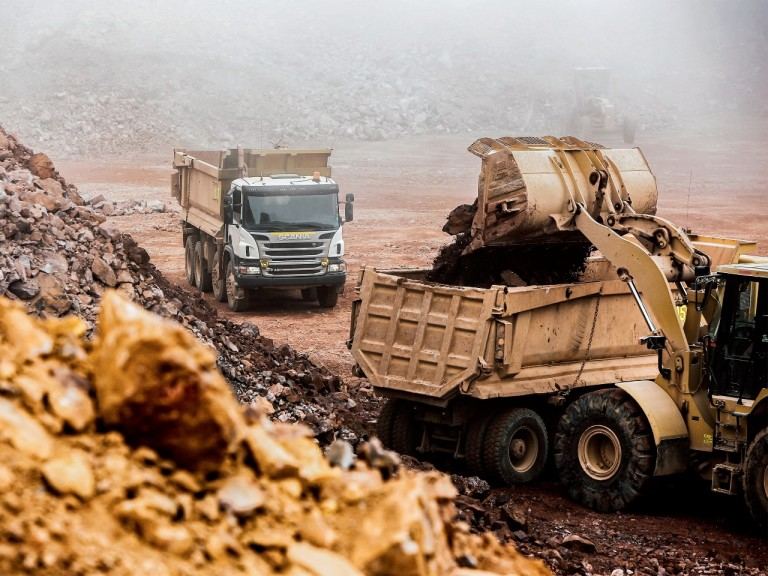
Sergio Zamorano noted that advancements in continuous transport systems and digital tools are driving bulk cargo terminals into a new phase of modernization. He highlighted progress in continuous transport systems using belt conveyors, which are gradually replacing truck-intensive operations in mining and port activities. As an example, he cited China operating the world's largest iron ore powder tubular conveyor system, with a capacity of 5,500 tons per hour. Many plants and terminals are connected by belts, replacing thousands of truck trips and significantly enhancing logistics efficiency. Zamorano also emphasized that involving clients, consultants, and suppliers early in new project development helps create optimal solutions tailored to operational needs.
Ismael Torres added that technological transformation must extend beyond loading and unloading operations. Port digitalization cannot overlook the maritime component, anchorage areas, vessel congestion, and coordination with land-side truck and rail operations. He pointed out that most bulk cargo terminals in South America still rely on traditional tools like Excel and email, leaving substantial room for digital improvement. In this context, he highlighted the implementation of management systems, Port Community Systems (PCS), equipment monitoring, and digital twins—technologies that can anticipate problems, reduce congestion, and improve overall logistics chain efficiency.
Ultraport introduced the launch of the new copper concentrate loading terminal at the Northern Bulk Terminal (TGN). Designed to meet growing mining demands and alleviate operational congestion in Mejillones Bay, northern Chile, the terminal is considered globally unique due to its technological integration. It operates with 100% renewable energy and has an annual transshipment capacity of 4 million tons. Its design loading capacity is 1,800 tons per hour, with a storage area accommodating 3,700 containers. The loading process is 100% automated, and the terminal can accommodate vessels up to 229 meters in length. Alejandro Valenzuela, Manager of Ultraport TGN, emphasized that automation not only improves efficiency but also introduces higher safety standards. Matías Ormazábal, Manager of Mechanized Ports at Ultraport, noted that the project transforms a traditional operation into a platform ready for transshipping new cargo. In terms of human capital, Francisco Martínez, Deputy Operations Manager at TGN Ultraport, stated that worker training was critical to the project's launch. The company implemented an internal trainer program, established a training center, and developed tools to support workers' knowledge transition.
Experts at the seminar agreed that the bulk cargo industry faces significant challenges in efficiency, digitalization, and human capital development. Ismael Torres pointed out that the challenge lies in moving toward more standardized and digitalized processes to anticipate congestion and optimize both maritime and land-side operations. Matías Ormazábal emphasized that automation must be accompanied by training and reskilling strategies to strengthen worker skills and create development opportunities aligned with new operational requirements. Sergio Zamorano warned that the main challenge for ports will be handling projected cargo growth within limited infrastructure expansion space. Over the next five to seven years, the challenge will be to use existing assets and equipment to process 30% to 40% more cargo than current levels, with greater efficiency.
This article is compiled by Wedoany. All AI citations must indicate the source as "Wedoany". If there is any infringement or other issues, please notify us promptly, and we will modify or delete it accordingly. Email: news@wedoany.com