en.Wedoany.com Reported - Airlines worldwide are facing what analysts call "one of the most unpredictable summer travel seasons in recent years," as conflicts in Iran, fuel prices, and airspace disruptions force carriers to rethink growth plans during their busiest and most profitable period. Industry estimates show that global airlines have canceled more than 75,000 flights from the summer 2026 schedule. Emirates, Lufthansa, KLM, IndiGo, Air India, and Norse Atlantic Airways have all reduced services or suspended routes.
Dubai-based Emirates, considered one of the world's most resilient long-haul carriers, is scaling back operations as regional conflicts reshape aviation economics. According to an AGBI report citing data from aviation analytics firm Cirium, Emirates has cut its June 2026 flight schedule by up to 16%, removing approximately 480,000 to 500,000 seats from the market. Analysts note that the carrier, with its large widebody fleet, deep codeshare partnerships, and fuel supply guarantees through 2028, still holds advantages over most competitors, but the cuts highlight the profound impact of conflicts on global airline planning.
The industry is prioritizing operational stability over aggressive expansion. Linus Benjamin Bauer, founder of BAA and Partners, stated that this is a disciplined consolidation season rather than a growth season, with savvy airlines protecting core networks and slot integrity instead of chasing frequencies. Ongoing conflicts have transformed the summer recovery peak into a crisis management phase. Airlines face a triple pressure: soaring jet fuel prices, sudden airspace closures, and significantly extended routes to avoid conflict zones. According to Bauer, avoiding high-risk airspace adds up to five hours of flight time on some routes, substantially increasing fuel consumption and disrupting aircraft utilization. During peak season, this creates a double blow—airlines that should be maximizing aircraft utilization are burning more fuel per trip, while longer routes also cause crew scheduling issues and reduce the number of daily flights per aircraft.
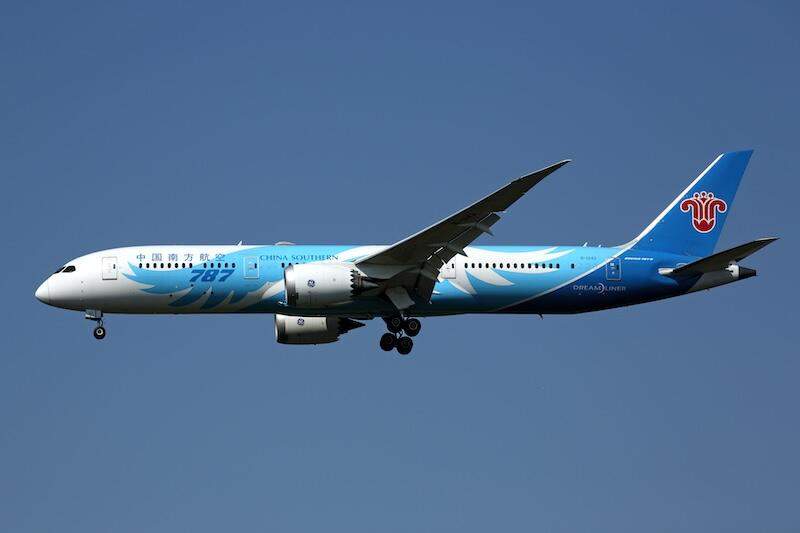
Jet fuel prices have surged to approximately $4.50 to $4.90 per gallon, nearly double pre-war levels, with growing market concerns over supply flows through the Strait of Hormuz. Rising costs are forcing airlines to first cut marginal or long-haul routes. IndiGo, which has rapidly expanded its international operations over the past two years, announced this week it will suspend six international routes between July and September, including Langkawi, Krabi, Ho Chi Minh City, Hong Kong, Shanghai, and Siem Reap. This move comes just days after IndiGo confirmed it would suspend its Manchester route from August 31 and return a leased Boeing 787-9 Dreamliner to Norse Atlantic Airways. IndiGo had planned to use the leased aircraft to accelerate its entry into the European market before its own Airbus A350 fleet arrives in 2027, but the economics of long-haul flights have sharply deteriorated. IndiGo stated that geopolitical tensions, rising aviation turbine fuel prices, foreign exchange fluctuations, and severe airspace restrictions have pushed operating costs significantly higher than originally anticipated. Despite the cuts, IndiGo still operates over 1,800 international flights per week.
Air India will reduce its international operations by 27% between June and August, with domestic flights cut by up to 22%. Flights to multiple destinations in North America, Europe, Australia, and Asia are being reduced or temporarily suspended as longer routes and fuel costs impact profitability. Air India stated that the adjustments aim to improve network stability and reduce last-minute disruptions for passengers, and the carrier will continue to operate over 1,200 international flights per month. Bauer noted that the biggest risk is no longer isolated events but the frequency of disruptions. The industry can absorb individual shocks, but ceasefire breakdowns increase the frequency of shocks, and it is frequency, not severity, that erodes summer flight schedules.
For travelers, the upcoming holiday peak season may bring ongoing schedule changes, diversions, and cancellations across multiple regions. Passenger demand took a heavy hit in April, and the International Air Transport Association (IATA), which will hold its annual general meeting this weekend, noted weak forward bookings in its April-May passenger demand report. IATA Director General Willie Walsh stated in the monthly passenger demand forecast that the war in the Middle East caused a 46.6% drop in demand for airlines in the region, so severe that it dragged down overall demand by 3.4%. The aviation transport situation remains highly volatile, with jet fuel prices more than doubling in April, pushing up ticket prices. Forward flight data shows reduced supply in the coming months, indicating that airlines are balancing high fuel costs with weak demand.
This article is compiled by Wedoany. All AI citations must indicate the source as "Wedoany". If there is any infringement or other issues, please notify us promptly, and we will modify or delete it accordingly. Email: news@wedoany.com