US credit rating agency Moody's warns of post-quantum cryptography risks
en.Wedoany.com Reported - Credit rating agency Moody's Ratings has warned that the threat posed by quantum computing to current encryption standards may be underestimated, and that slow adoption of post-quantum cryptography could even constitute a credit risk.

Industry giants have moved their action targets forward. Google and Cloudflare have set their post-quantum cryptography migration targets for 2029, a significant shift from the U.S. government's 2035 target for national security systems. Moody's believes these changes indicate that some of the world's most sophisticated internet infrastructure companies are concerned about the pace of change, and that enterprises may no longer have the decade or more they previously thought for upgrades.
Currently, most internet security relies on public-key cryptography, covering online banking, payment platforms, digital identity, VPNs, and secure government systems. Quantum computers pose a threat because Shor's Algorithm can theoretically break cryptography much faster than classical computers. Recent disclosures show that approximately 10,000 qubits are sufficient to execute Shor's Algorithm on current encryption standards, while about 26,000 qubits could break P-256, a standardized elliptic curve algorithm commonly used in financial services and government systems. The report cited research from Google Quantum AI, which indicates that the computational resources required to break secure elliptic curve cryptography are 20 times less than previously estimated.
In terms of cost, the White House previously estimated that migrating federal systems could cost approximately $7.1 billion over 10 years. Moody's suggests that post-quantum cryptography spending may compete with existing AI and IT budgets. Acting early is considered wiser; the company predicts that post-quantum cryptography migration could now account for 2.5% of annual IT budgets, but enterprises that delay action until 2030 may need to spend twice as much to catch up. Moody's also warned of a "harvest now, decrypt later" threat, where attackers can steal encrypted data archives and wait for future quantum systems to decrypt them.
A second issue is that hyperscalers need to adjust their infrastructure strategies. Current encrypted connections require about 64 bytes, while hybrid post-quantum cryptography connections require about 1,568 bytes, a 24-fold increase in data transmitted. This means companies like Google and Cloudflare need to continue building AI infrastructure while simultaneously upgrading post-quantum cryptography infrastructure.
This article is compiled by Wedoany. All AI citations must indicate the source as "Wedoany". If there is any infringement or other issues, please notify us promptly, and we will modify or delete it accordingly. Email: news@wedoany.com
Related Products


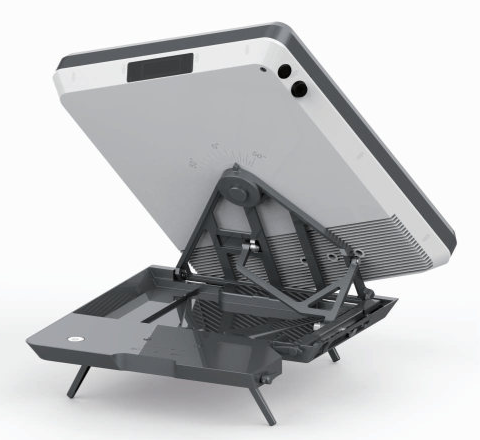
Flat Portable Satellite Terminal 0.35m Aperture Manual Portable Terminal
China Starwin Science & Technology Co., Ltd.
20 Inch 1600*900 Full HD 60Hz TFT LED Monitor with VGA and DP Interfaces for Desktop Computers-Business Use
Guangzhou Zanying Optoelectronics Technology Co., Ltd.
Multi-function Marine Monitoring Low-altitude Detection Radar Sea-air Boundary Ocean Dynamic Environment Measurement
Chengdu Dixin Technology Co., Ltd.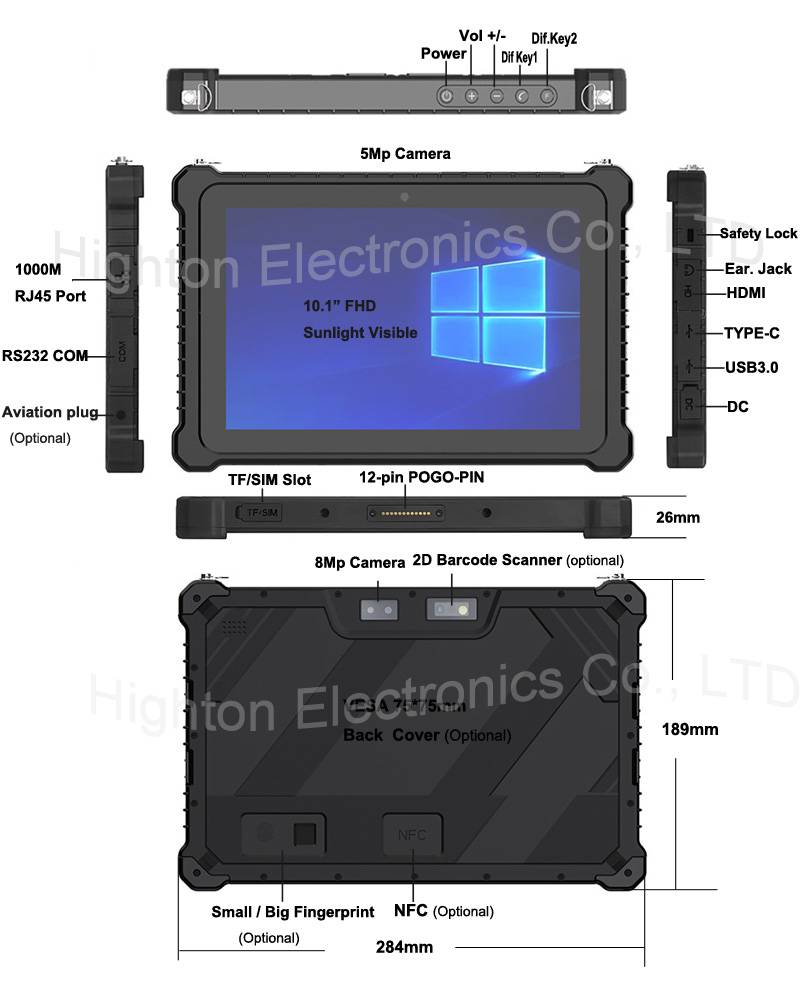
Hot Selling 10 Inch Intel N5100 I5 I7 FHD 8 +128GB 16+256GB Win10 Pro Win11 Pro 4G 5G Rugged Tablet PC Pad with NFC Barcode
Highton Electronics Co., Ltd.

Mine Explosion-proof and Intrinsically Safe Industrial Ethernet Ring Network (10 Gigabit/Gigabit)
Chongqing Mas Sci&Tech Co., Ltd.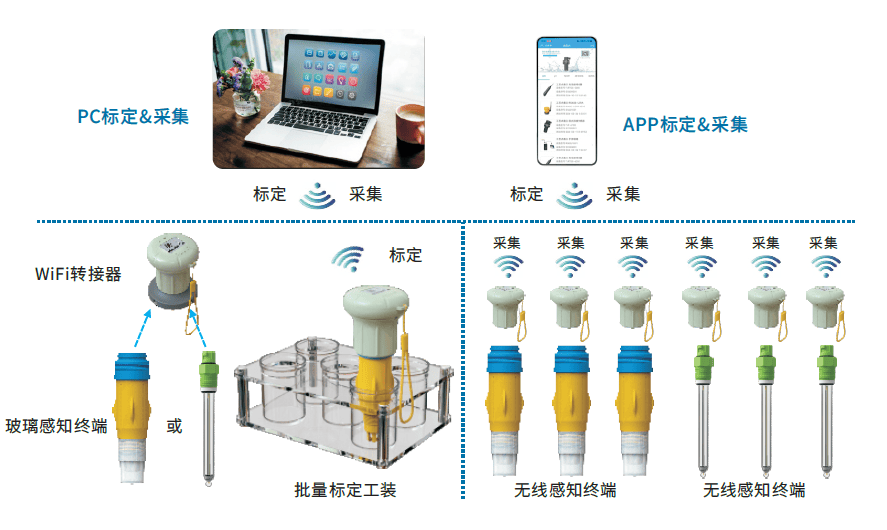

Industrial and Commercial Point-Type Gas Detector
Jinan Benan Technology Development Co., Ltd.