China's ChangXin Memory Technologies (CXMT) Passes IPO Review on STAR Market, Raising 29.5 Billion Yuan
en.Wedoany.com Reported - ChangXin Memory Technologies (CXMT) has successfully passed its IPO review on the STAR Market, raising 29.5 billion yuan, making it the largest A-share IPO since the beginning of 2026 and the second-largest on the STAR Market after Semiconductor Manufacturing International Corporation (SMIC). The company, which focuses on the design, R&D, production, and sales of Dynamic Random Access Memory chips (DRAM), has followed a development path distinct from traditional business cases.
In June 2016, CXMT's predecessor was established, and in September 2019, it launched its first independently designed and produced 8Gb DDR4 DRAM chip, commencing mass production. On May 27, the day of the IPO review, SK Hynix's stock price rose by up to 13%, and Micron's stock surged by 19%, reflecting the market's strong reaction to the super cycle in memory chips. In the first quarter of 2026, CXMT's actual total net profit reached 33.012 billion yuan, with the contribution from cyclical factors being difficult to precisely delineate.
CXMT CEO Zhu Yiming, in addressing cross-cycle issues, has built an operational system for technology, capital, and talent through a series of key decisions. These decisions involve three aspects: technology sourcing, capital operations, and talent incentives.
In terms of technology sourcing, CXMT chose to collaborate with the bankrupt DRAM supplier Qimonda. From 2018 to 2019, the CXMT team negotiated with patent operating company WiLAN and its subsidiary Polaris Innovations Limited, obtaining a license to implement a large number of DRAM technology patents originally from Infineon through the Canadian intellectual property company WiLAN. This transaction involved an investment of several hundred million dollars, covering potential future litigation risks. Through this collaboration, CXMT acquired approximately over ten million technical documents and 2.8TB of data, with cumulative R&D expenses reaching $2.5 billion.
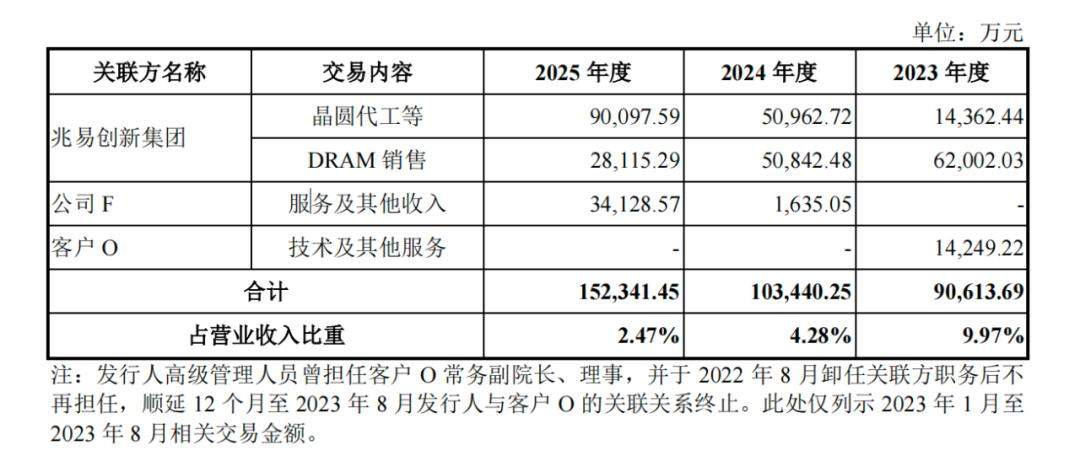
Zhu Yiming simultaneously oversees both GigaDevice and CXMT. GigaDevice is a leading domestic designer of NOR Flash memory chips, while CXMT is a capital-intensive DRAM manufacturing enterprise. CXMT's prospectus shows that as of December 31, 2025, the company's accumulated losses amounted to 36.65 billion yuan, primarily due to the extremely high capital expenditure for building DRAM wafer fabrication lines. Between May 11 and May 25, 2026, Zhu Yiming reduced his holdings in GigaDevice by a total of 6.3299 million shares, accounting for 0.90% of the total share capital, through centralized bidding and block trades. During this reduction, GigaDevice's stock price was influenced by the AI memory chip cycle, having risen by over 350% in the past year. Related-party transactions between GigaDevice and CXMT increased from 760 million yuan in 2023 to 1.182 billion yuan in 2025, with the two companies forming a deep binding through a foundry-procurement relationship.
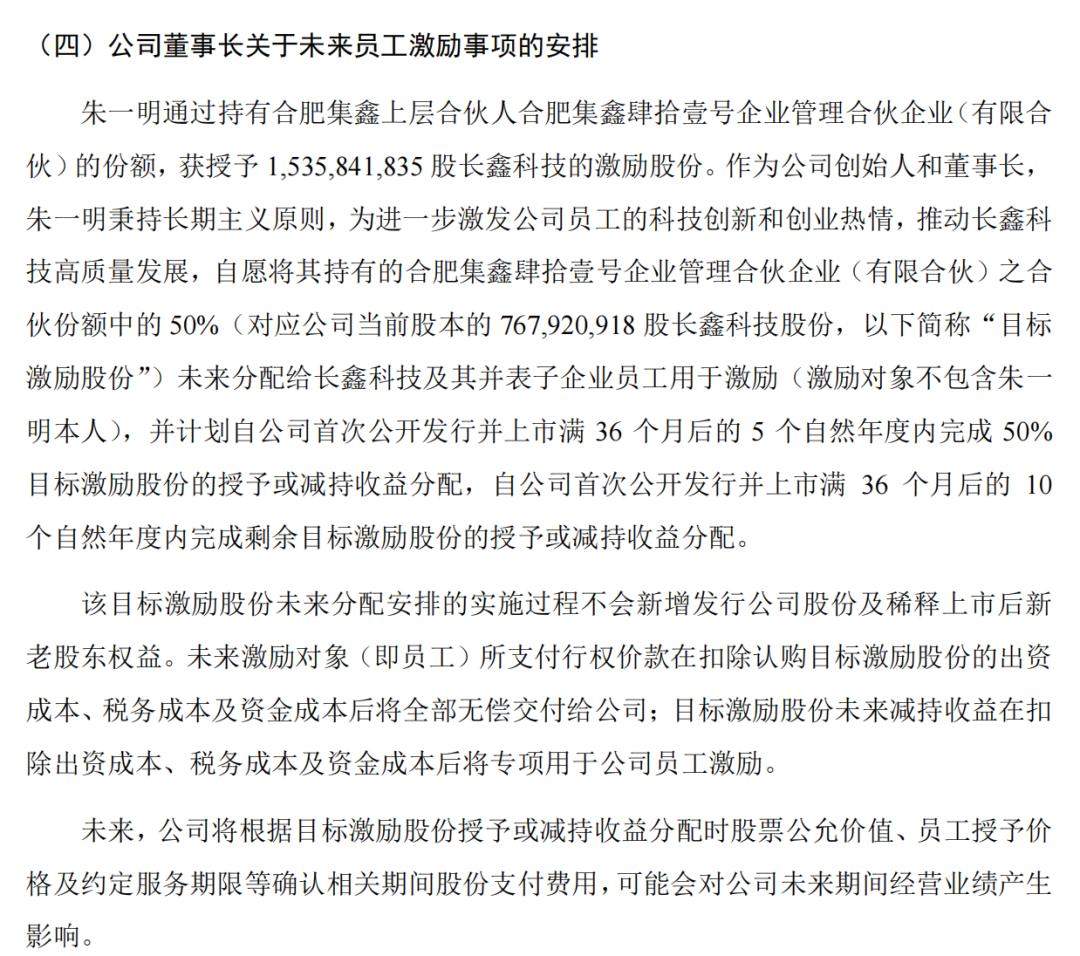
To maintain team cohesion, CXMT designed an incentive plan. Zhu Yiming holds 1.598 billion shares of CXMT, of which 1.536 billion shares come from the company's employee stock ownership plan, with a total shareholding ratio of 2.6561%. The allocated 768 million shares all go to the employee team, with Zhu Yiming himself not included among the incentive recipients. These shares will be vested in installments over ten years after the listing. Meanwhile, Zhu Yiming has committed to a lock-up period of 10 years post-listing. After the full 10 years, entering the second decade, he may reduce his holdings annually by no more than 20% of the remaining locked shares at the end of the previous year, and only after the 20th year can the remaining shares be reduced in a single transaction. Through the three-tier design of transfer, installment vesting, and self-lock-up, a long-term incentive mechanism has been established.
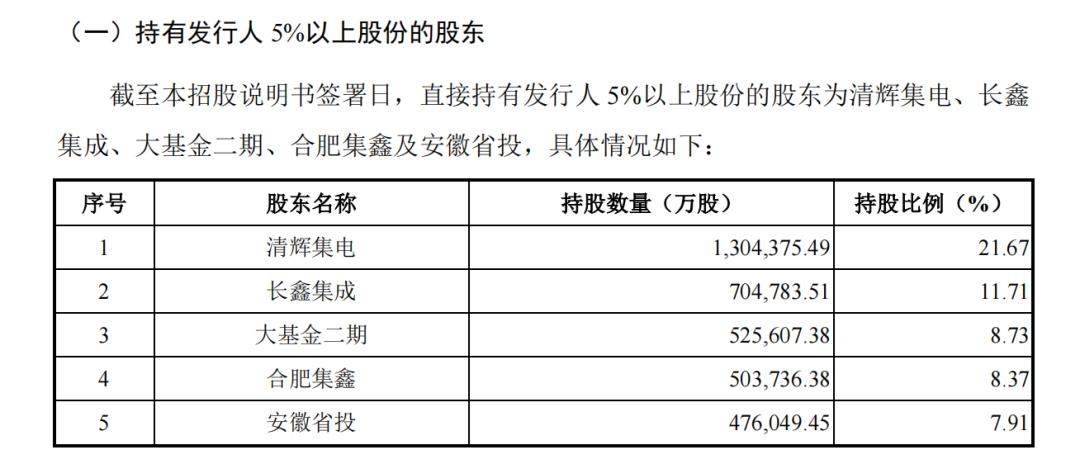
CXMT adopts a model without an actual controller in its governance structure. Shareholders directly holding more than 5% of the company's shares are Qinghui Jidian, Changxin Integration, Phase II of the National Integrated Circuit Industry Investment Fund (Big Fund), Hefei Jixin, and Anhui Investment, holding 21.67%, 11.71%, 8.73%, 8.37%, and 7.91% respectively. The board of directors consists of 11 members, including 4 independent directors. Among the 7 non-independent directors, no single party can determine the appointment of more than half of the members. Additionally, the company has entered into a concerted action agreement with minority shareholders of its key subsidiaries, collectively controlling 73.01% of the voting rights in CXMT Xinqiao and 75.32% in CXMT Jidian. This arrangement aims to balance power among state capital, industrial capital, and the founding team, reducing the risks of shareholder conflicts and decision-making errors.
The semiconductor industry is highly cyclical, typically experiencing fluctuations every 3 to 5 years. In the fourth quarter of 2022, global DRAM prices fell by 13-18%, and NAND Flash prices fell by 15-20%. The ability to stay in the game through these cycles is the goal CXMT aims to achieve through the series of decisions outlined above.

This article is compiled by Wedoany. All AI citations must indicate the source as "Wedoany". If there is any infringement or other issues, please notify us promptly, and we will modify or delete it accordingly. Email: news@wedoany.com
Related Products



20 Inch 1600*900 Full HD 60Hz TFT LED Monitor with VGA and DP Interfaces for Desktop Computers-Business Use
Guangzhou Zanying Optoelectronics Technology Co., Ltd.
Multi-function Marine Monitoring Low-altitude Detection Radar Sea-air Boundary Ocean Dynamic Environment Measurement
Chengdu Dixin Technology Co., Ltd.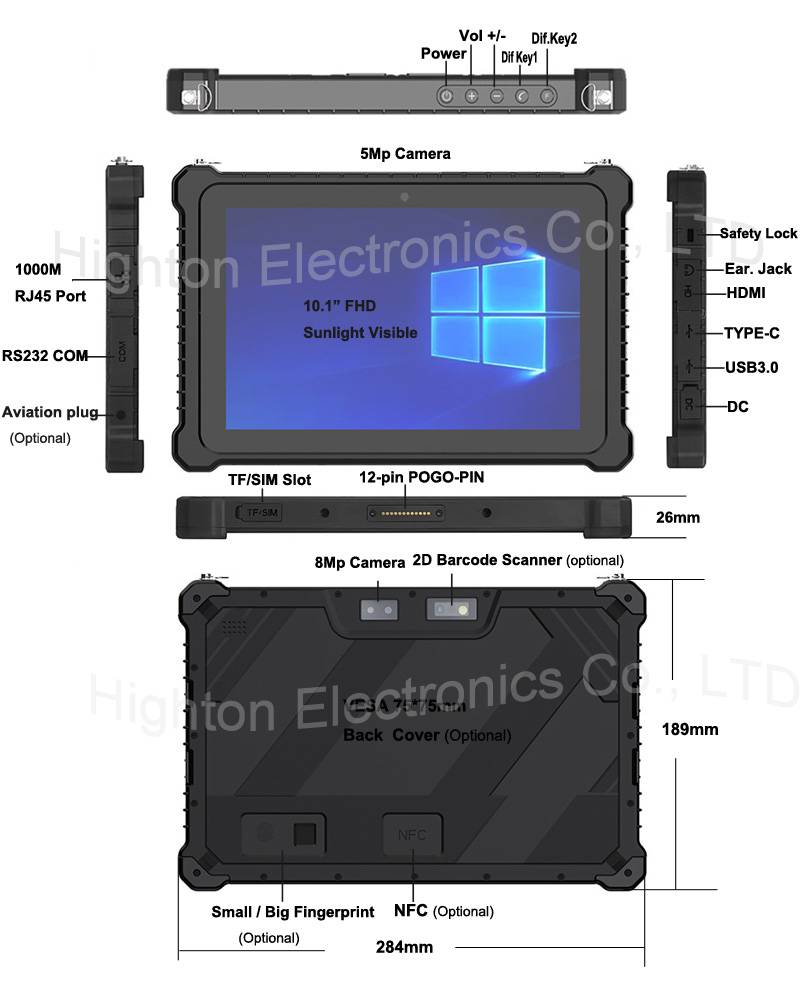
Hot Selling 10 Inch Intel N5100 I5 I7 FHD 8 +128GB 16+256GB Win10 Pro Win11 Pro 4G 5G Rugged Tablet PC Pad with NFC Barcode
Highton Electronics Co., Ltd.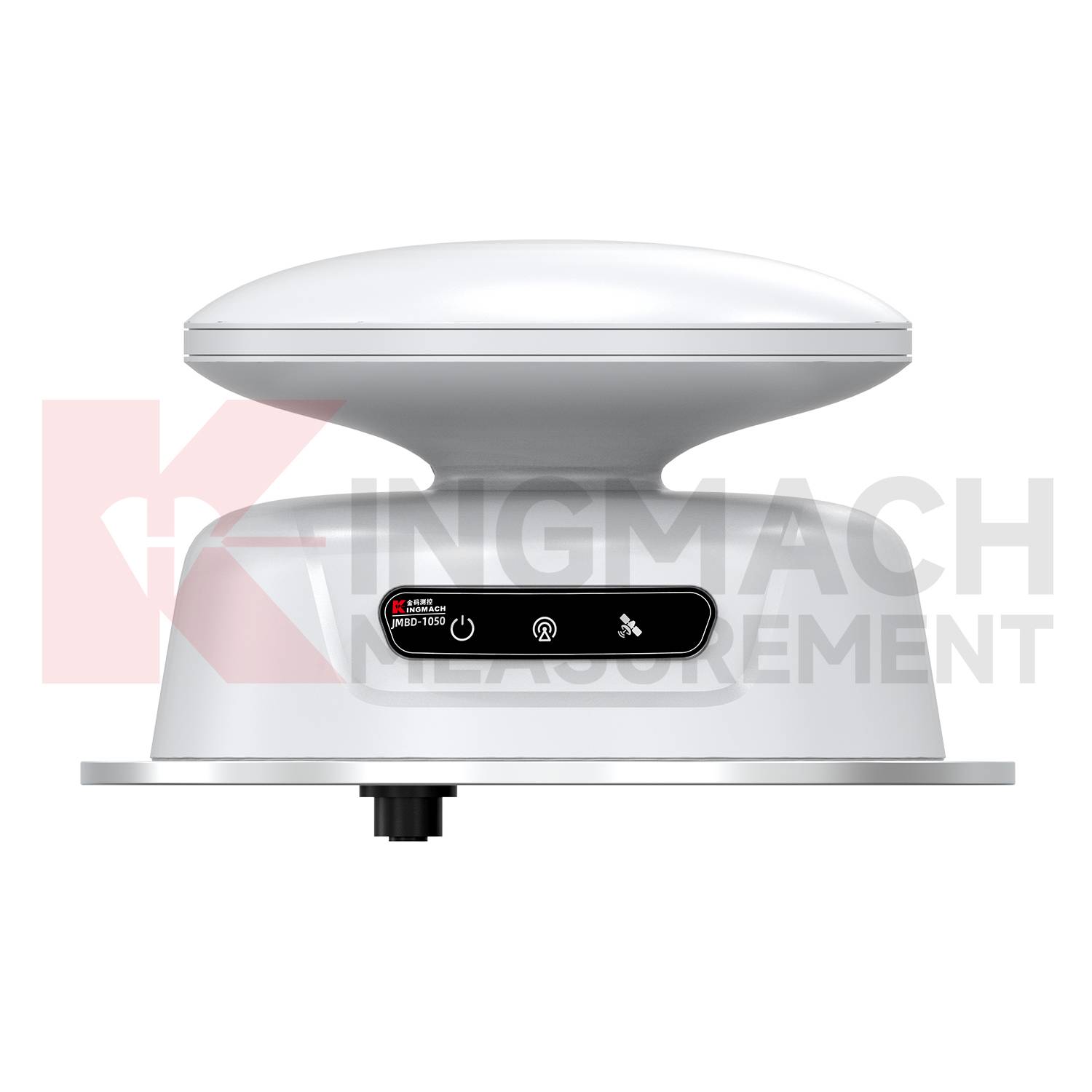

Automatic Aiming Laser Remote Obstacle Removal Robot
Pinggao Group Weihai High-Voltage Apparatus Co., Ltd.


Mine Explosion-proof and Intrinsically Safe Industrial Ethernet Ring Network (10 Gigabit/Gigabit)
Chongqing Mas Sci&Tech Co., Ltd.
Conveyor Belt Intelligent Monitoring System
LUO YANG WIRE ROPE INSPECTION TECHNOLOGY CO., LTD.