Smart Underground Mining Equipment Is Driving Remote and Low-Manpower Mining
en.Wedoany.com Reported - The need for safer production and lower operating cost is pushing Underground Mining Equipment toward intelligent operation. In the past, underground mining relied heavily on manual driving, field observation and experience-based dispatching. Today, sensors, communication networks, automatic control, autonomous driving and digital mine platforms are enabling remote control, automatic operation and centralized scheduling.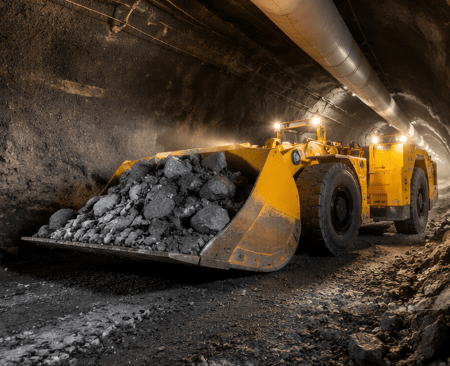
Underground mining environments involve significant safety risks. Roof falls, rock bursts, gas, dust, water hazards, equipment collisions and ventilation abnormalities can all threaten workers. Low-manpower and unmanned equipment can move workers away from high-risk working faces and into surface control rooms or safer areas. This is the most direct value of intelligent underground mining equipment.
Remote-controlled equipment is becoming more common. Drill jumbos, LHD machines, roadheaders, underground trucks and crushing equipment can be operated from a safe distance through video systems, lidar, positioning systems and remote control stations. In high-temperature, dusty, unstable or post-blasting cleaning scenarios, remote operation can greatly improve safety.
Autonomous haulage is another key direction. If underground trucks and LHD machines can operate automatically on fixed routes, mines can improve haulage efficiency, reduce human error and support continuous production. However, underground conditions are challenging. Communication can be unstable, positioning signals may be weak and roadways are narrow. Autonomous systems therefore require high-precision positioning, obstacle recognition, path planning and safety redundancy.
Equipment intelligence also needs to connect with mine dispatching systems. A single automated machine does not automatically make the whole mine efficient. Mining plans, equipment locations, haulage tasks, ore pass levels, ventilation status and personnel positioning data should be connected to a unified platform. The key to a smart mine is coordination among equipment, workers, processes and management.
Future competition among equipment suppliers will depend more on integrated hardware and software capability. Mechanical reliability remains important, but control systems, communication adaptation, data interfaces, remote diagnostics and maintenance services will become increasingly important.
Overall, smart underground mining equipment is helping mines shift from people following equipment to equipment operating under system coordination. As safety requirements increase and labor structures change, remote operation, autonomy and digital management will become major directions for underground mining equipment upgrading.
This article is compiled by Wedoany. All AI citations must indicate the source as "Wedoany". If there is any infringement or other issues, please notify us promptly, and we will modify or delete it accordingly. Email: news@wedoany.com
Related Products


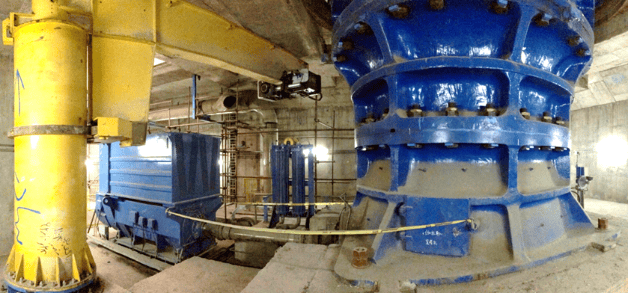

Mine Explosion-proof and Intrinsically Safe Industrial Ethernet Ring Network (10 Gigabit/Gigabit)
Chongqing Mas Sci&Tech Co., Ltd.
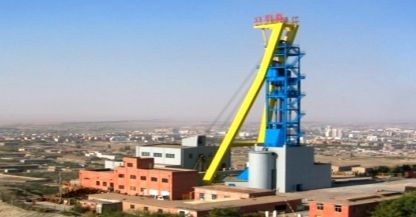
Core Technologies of the Mining Technology and Equipment Business Unit: Efficient Mining Methods and Processes
CHANGSHA INSTITUTE OF MINING RESEARCH CO., LTD.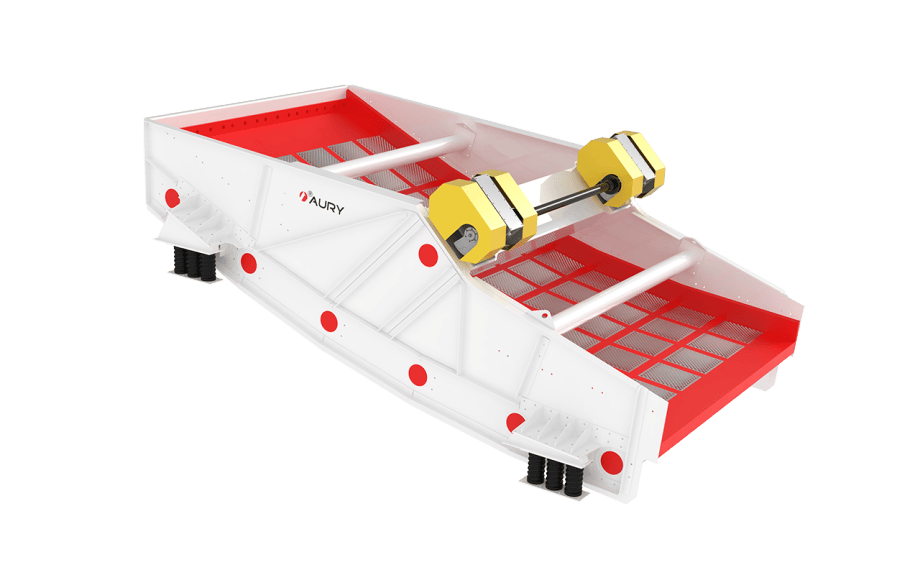
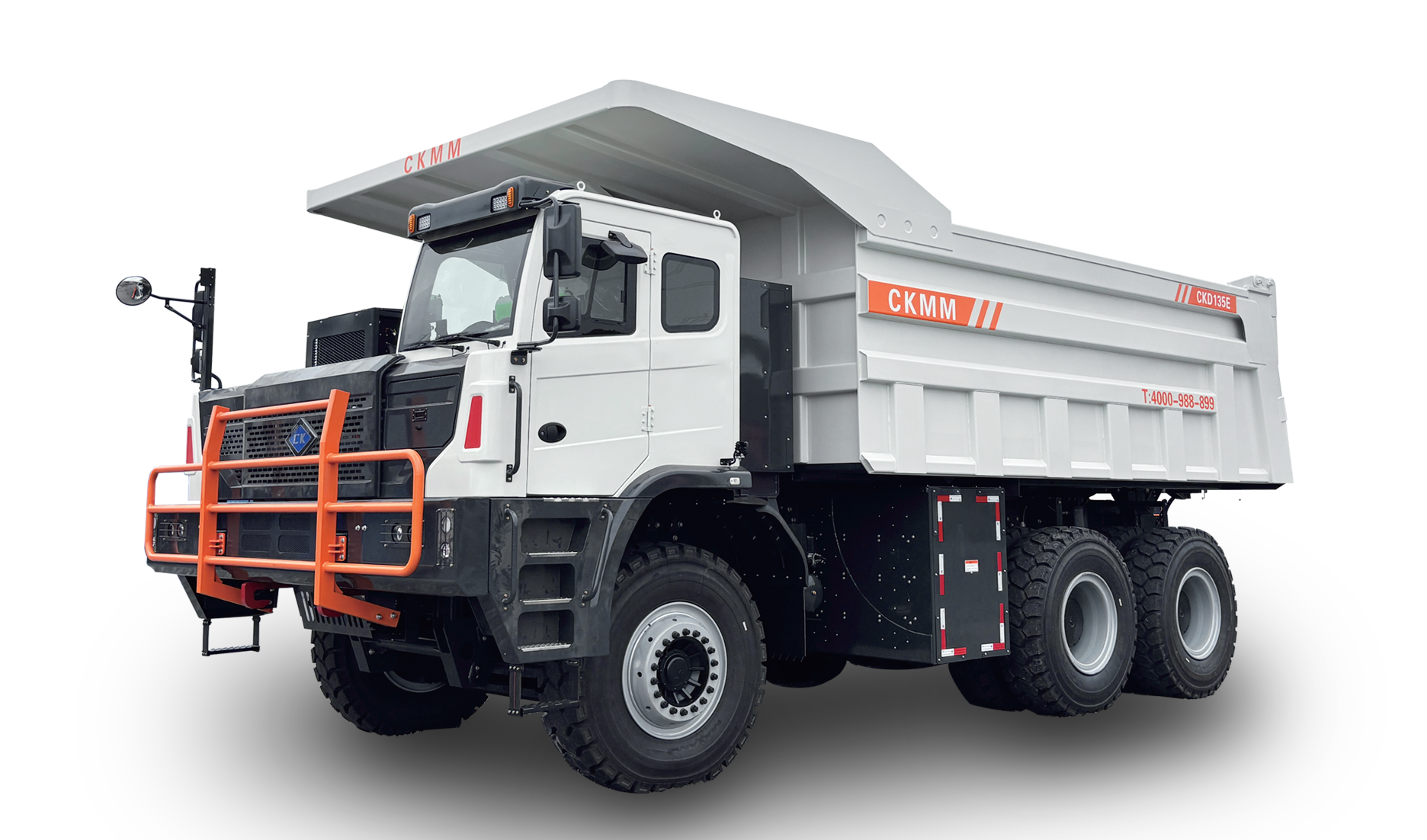
CKD135E Pure Electric Wide-body Dump Truck
Jiangsu Changkuang Engineering Machinery Co. Ltd.