Low-Grade Ore Development Requires Smarter and More Energy-Efficient Ore Processing Equipment
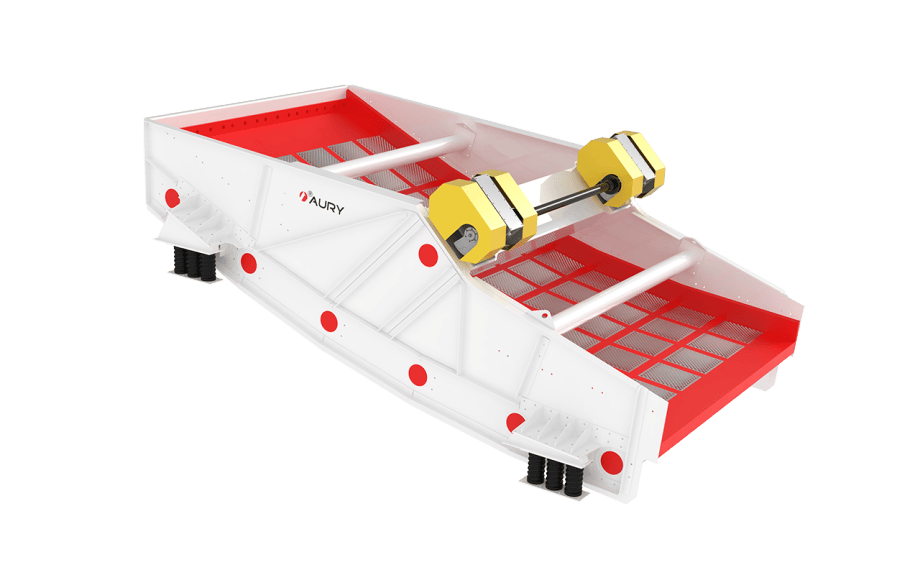
en.Wedoany.com Reported - As high-grade mineral resources become less available, low-grade ores, complex associated ores and difficult-to-process ores are becoming more important in mining development. This shift places higher requirements on Ore Processing Equipment. In the past, ore processing focused mainly on capacity expansion. Today, mining companies are more concerned about improving recovery, reducing unit energy consumption, lowering tailings volume and increasing comprehensive resource utilization.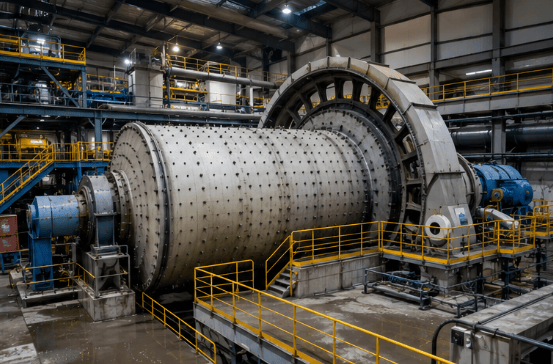
The challenge of low-grade ore lies in low valuable mineral content, high gangue content and fluctuating ore properties. If rough processing methods are still used, mines may face high crushing and grinding volume, excessive energy use, large reagent consumption and unstable concentrate quality. Low-grade ore development therefore requires refined process design and efficient equipment combinations.
Pre-concentration is becoming an important direction. Optical sorting, X-ray sorting, dense medium separation, magnetic separation and gravity separation can remove part of the waste rock before grinding. This reduces downstream grinding load and lowers energy and reagent consumption. For large-capacity mines, the value of front-end pre-concentration equipment is increasing.
Grinding and classification systems also need optimization. Low-grade ore requires more ore to be processed for the same amount of metal output. If grinding efficiency is low, production costs can rise quickly. Efficient mills, hydrocyclones, fine screens and closed-circuit grinding control systems can help reduce overgrinding while ensuring mineral liberation.
Intelligent sorting equipment is changing the way low-grade resources are used. With image recognition, sensors, spectral analysis and AI algorithms, smart sorters can identify and separate ore according to color, density, elemental features or surface differences. This is especially valuable for ores with clear differences between valuable minerals and waste rock.
Low-grade ore processing also needs to address tailings and environmental pressure. Higher processing volume often produces more tailings. If tailings thickening, dewatering, dry stacking and resource utilization are insufficient, long-term mine development may be restricted. Ore processing equipment must therefore be designed together with tailings treatment systems.
In the future, low-grade ore development will push processing equipment toward higher efficiency, lower energy consumption, intelligence and greener operation. Equipment companies that can provide integrated services from ore testing and flowsheet design to equipment selection and operation optimization will create more value than suppliers selling machines alone.
Overall, low-grade ore development is not simply about mining and grinding more material. It is about using advanced ore processing equipment and process optimization to turn more marginal resources into economically recoverable resources.
This article is compiled by Wedoany. All AI citations must indicate the source as "Wedoany". If there is any infringement or other issues, please notify us promptly, and we will modify or delete it accordingly. Email: news@wedoany.com
Related Products
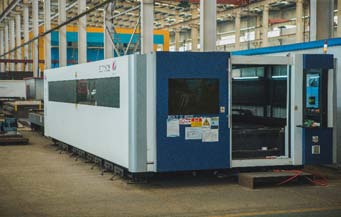

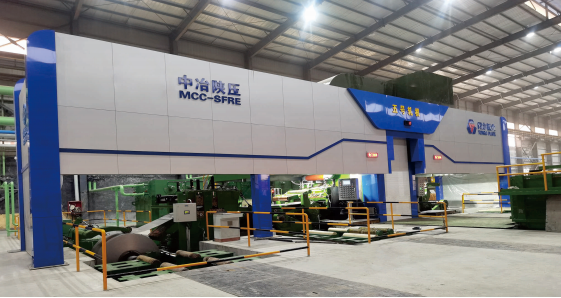
1050-1750mm Steel Strip Single-stand Reversible Cold Rolling Production Line
MCC-SFRE HEAVY INDUSTRY EQUIPMENT CO., LTD.
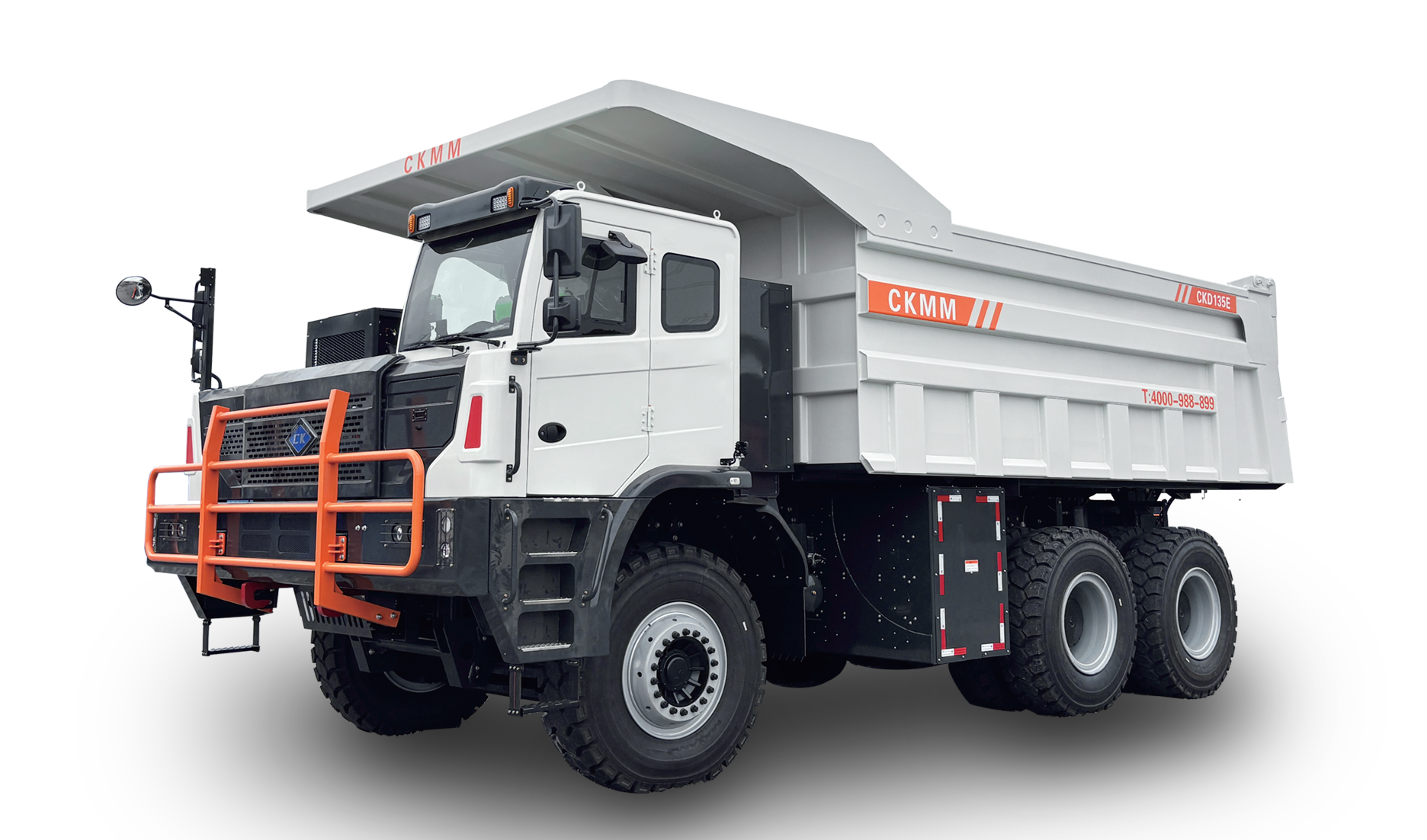
CKD135E Pure Electric Wide-body Dump Truck
Jiangsu Changkuang Engineering Machinery Co. Ltd.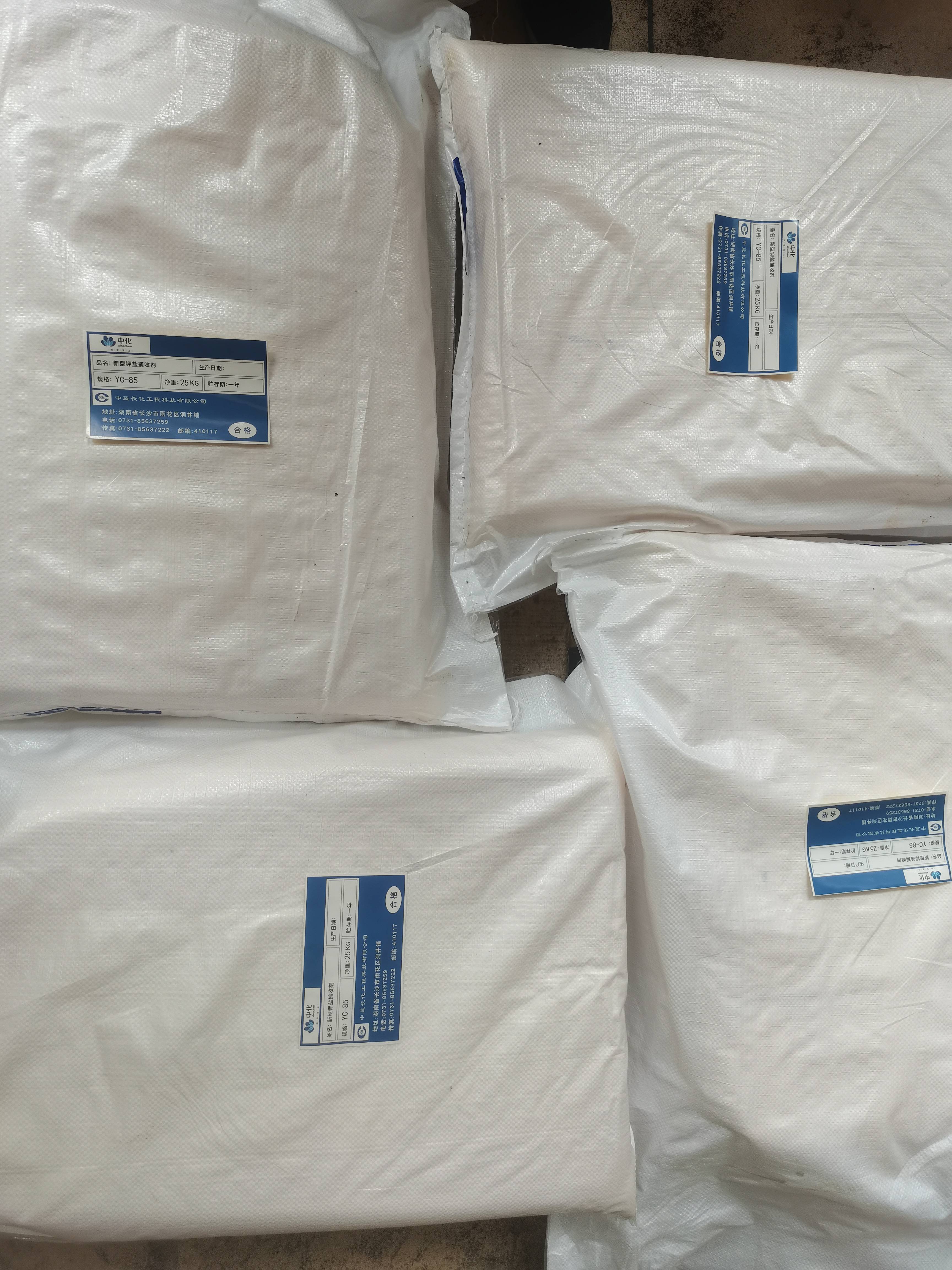
New Environmentally Friendly Green Potassium Salt Collector
Chonfar Engineering and Technology Co., Ltd.
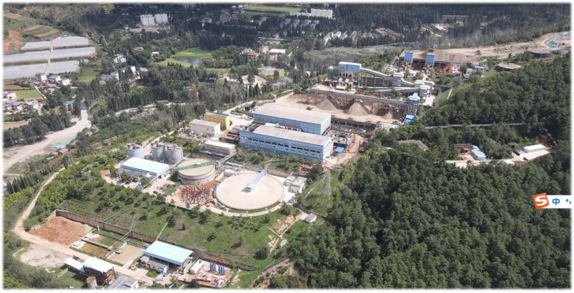
Yunnan Phosphorus Chemical Group Co., Ltd. 2 Million t/a Phosphorus Ore Mining and Beneficiation Project
China Bluestar Lehigh Engineering Corporation