Industrial Reactive Power Compensation Is Moving Toward Dynamic Response and Power Quality Control
en.Wedoany.com Reported - In manufacturing, metallurgy, chemicals, cement, mining, data centers and rail transit, Reactive Power Compensation demand is moving from traditional fixed compensation toward dynamic compensation and integrated power quality management. As industrial automation increases, loads change more frequently and nonlinear loads become more common, ordinary capacitor compensation is no longer enough for many complex distribution systems.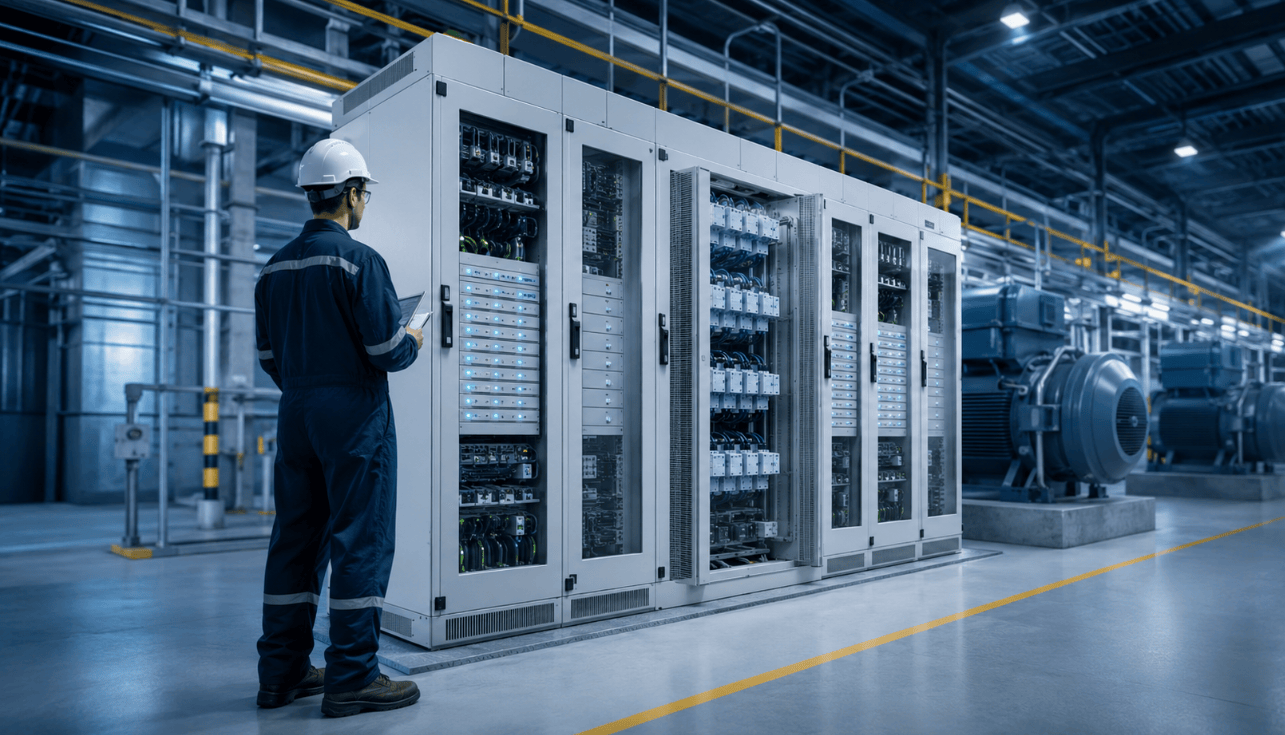
Traditional reactive power compensation uses capacitor banks to offset the reactive power generated by inductive loads and improve power factor. This method is suitable for relatively stable load conditions, such as ordinary lighting, stable motor loads and conventional distribution systems. However, in industrial sites with impact loads, fast-changing loads or strong harmonics, switched capacitor compensation may have delayed response, discontinuous compensation, switching impact and shortened capacitor life.
Dynamic compensation equipment is becoming more valuable. SVG and SVC systems can regulate reactive power output rapidly according to system conditions. They are suitable for fluctuating loads such as electric arc furnaces, rolling mills, hoists, welding machines, port machinery, electric railways and large variable-frequency equipment. In scenarios with obvious voltage fluctuation and rapidly changing power factor, dynamic compensation can improve power quality and reduce production disturbance.
Power quality problems are closely related to reactive compensation. Many industrial users face not only low power factor, but also harmonics, voltage flicker, three-phase imbalance and transient impacts. If only capacitor cabinets are installed without power quality diagnosis, the real system problem may remain unresolved. In severe cases, harmonics may cause capacitors to overheat, swell, trip protection or fail.
Before designing a compensation scheme, industrial enterprises should carry out load testing and power quality analysis. By measuring power factor, reactive power, harmonic current, voltage fluctuation and load curves under different operating conditions, engineers can determine whether fixed compensation, automatic switched compensation, filtering compensation or dynamic reactive compensation is needed.
In the future, industrial reactive power compensation will emphasize integration of compensation, treatment and monitoring. Equipment should not only improve power factor, but also support harmonic control, voltage stabilization, load balancing and remote maintenance.
Overall, industrial reactive power compensation has entered a more refined stage. Under complex load conditions and high reliability requirements, dynamic response, power quality and system safety must be considered together to truly improve distribution system performance.
This article is compiled by Wedoany. All AI citations must indicate the source as "Wedoany". If there is any infringement or other issues, please notify us promptly, and we will modify or delete it accordingly. Email: news@wedoany.com
Related Products
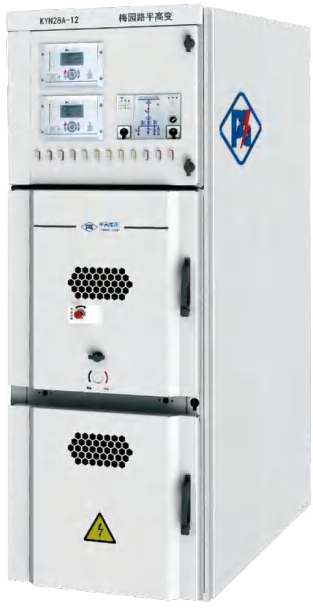

KYN28A-12 Metal Armored Removable Switchgear
Tianjin Ping Gao Intelligent Electric Co., Ltd.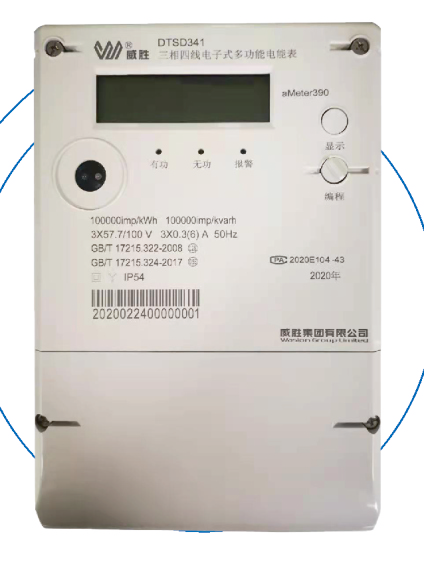
Overseas IEC Gateway Energy Meter - DTSD341/DSSD331-aMeter390
Wasion Group Limited Co., Ltd.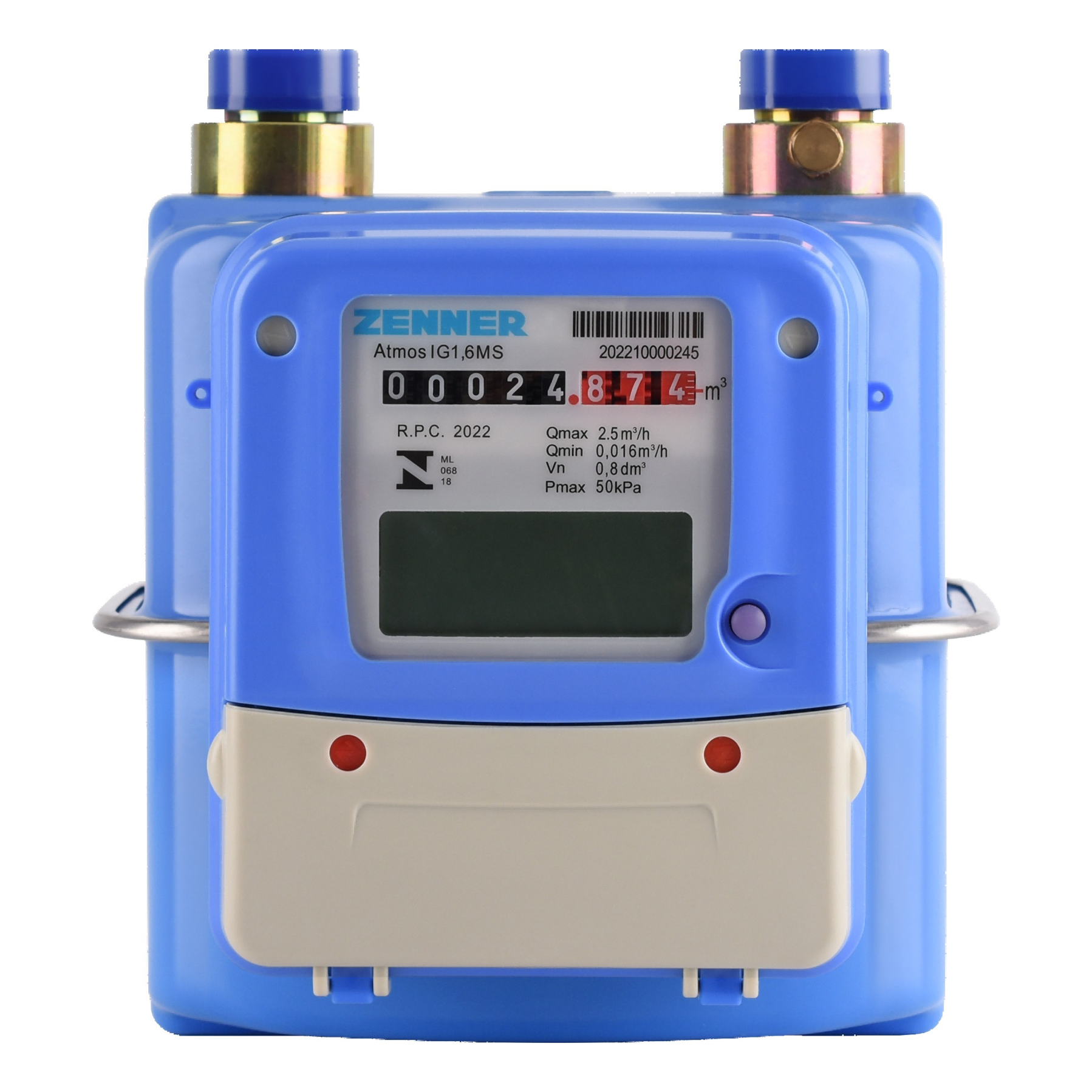

Electromagnetic Fluid Seawater Floating Oil Separation and Recover Equipment
Huate Magnet Group Co., Ltd.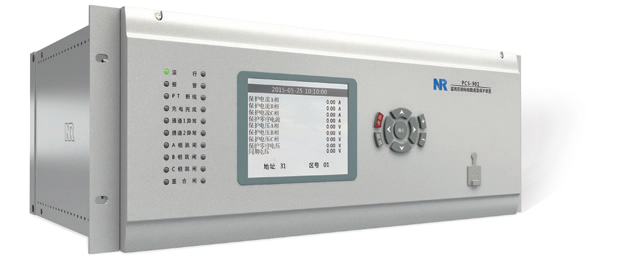
PCS-901 Series Ultra (Extra) High-voltage Transmission Line Complete Protection Device
Nanjing NR Electric Co., Ltd.
Off-Grid Fuel Cell Supercharging Station (180kW Configuration)
Shanghai REFIRE Group Limited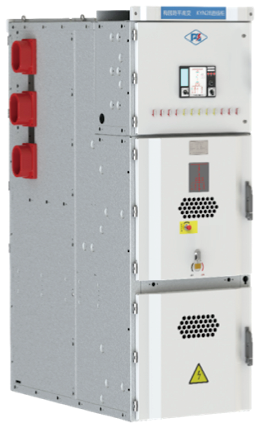
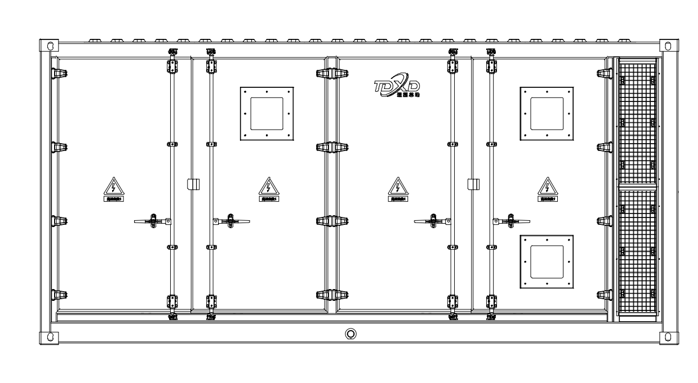
5012kWh DC Energy Storage System TD-EES-5012kWh
Suzhou Tongding Xindong Energy Storage Technology Co., Ltd.
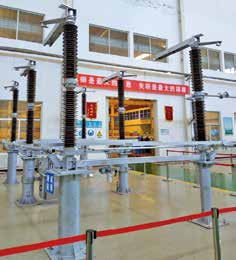
GW4-40.5/72.5/126/145/170/252/363/420 Series Double-column Horizontal Rotary High-voltage AC Disconnect Switch
SHANDONG TAIKAI DISCONNECTORS CO., LTD.