Renewable Energy Grid Connection Is Driving Reactive Power Compensation Upgrades
en.Wedoany.com Reported - As photovoltaic plants, wind farms, energy storage systems and microgrid projects expand, Reactive Power Compensation is becoming increasingly important in renewable energy grid connection. Renewable generation is variable and intermittent. Output changes with sunlight, wind speed and operating strategies, creating higher requirements for voltage stability, power factor control and power quality management.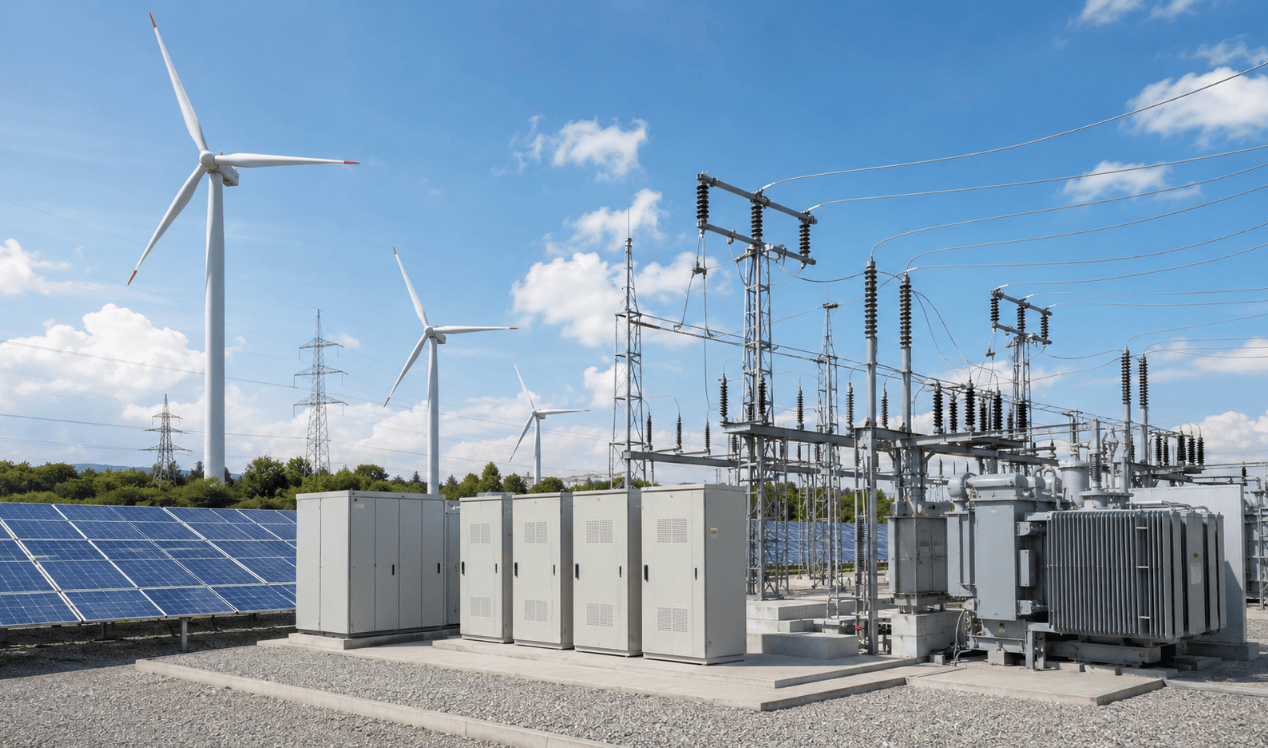
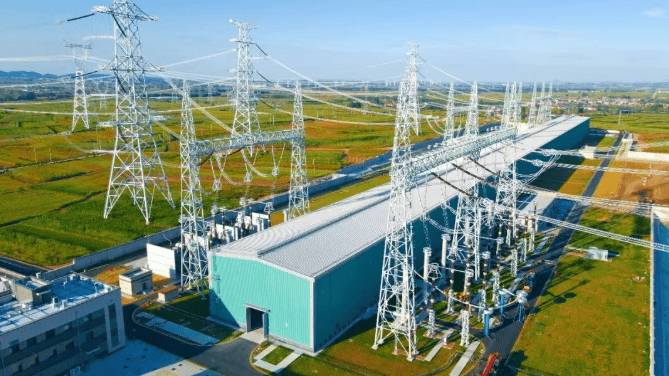
In renewable energy plants, inverters, box transformers, collector lines, step-up stations and grid connection points create complex reactive power needs. When solar or wind output changes, system voltage may also fluctuate. If reactive power regulation is insufficient, the plant may fail to meet grid requirements for power factor, voltage compliance and dynamic reactive response.
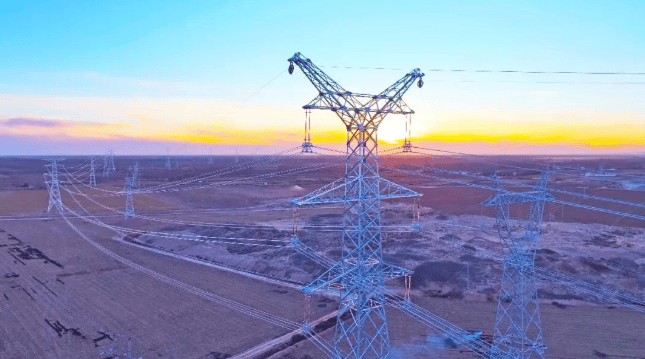
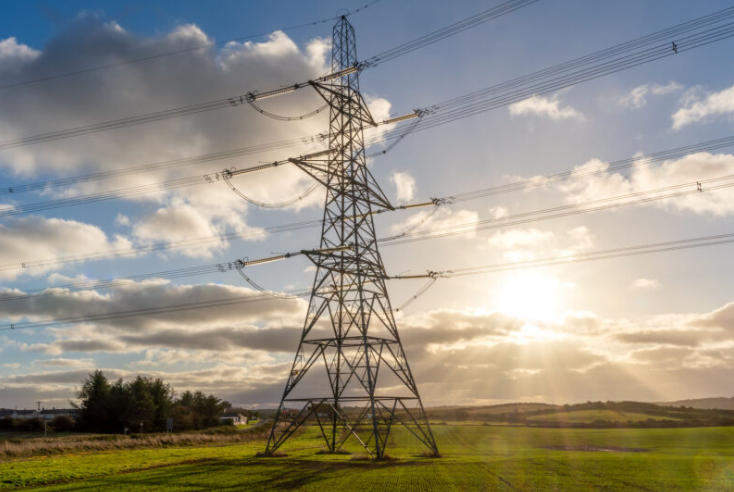
This is especially important in long-distance transmission, weak grid access and large renewable energy bases. Reactive support capability can directly influence grid connection stability.
SVG is one of the common dynamic reactive power compensation devices used in renewable energy plants. It offers fast response, continuous regulation and bidirectional reactive power output. Compared with traditional capacitor banks, SVG is more suitable for dynamic reactive power demand caused by renewable power fluctuation. It can also improve voltage fluctuation and selected power quality problems.
However, renewable energy compensation schemes should not rely only on one device. Projects need to consider inverter reactive capability, box transformer configuration, collector line voltage loss, step-up station compensation equipment, grid connection requirements and dispatching strategy. Only when inverter control, SVG, filtering equipment and plant monitoring systems are coordinated can a complete voltage and reactive power control system be formed.
Energy storage systems and charging stations are also creating new compensation demand. Storage converters, charging piles and high-power electronic equipment may affect local voltage and power factor. Some scenarios may also bring harmonics or three-phase imbalance. Intelligent compensation systems need to connect with energy management platforms and adjust dynamically according to load changes and grid requirements.
In the future, reactive power compensation for renewable energy will emphasize fast response, remote dispatching and intelligent control. As grid companies raise requirements for grid-friendly renewable plants, stronger voltage support and fault ride-through capability will become more important.
Overall, reactive power compensation is becoming a foundation for stable renewable power system operation. As renewable energy penetration increases, compensation solutions with dynamic regulation, intelligent control and system integration capability will play a more critical role in renewable energy engineering.
This article is compiled by Wedoany. All AI citations must indicate the source as "Wedoany". If there is any infringement or other issues, please notify us promptly, and we will modify or delete it accordingly. Email: news@wedoany.com
Related Products


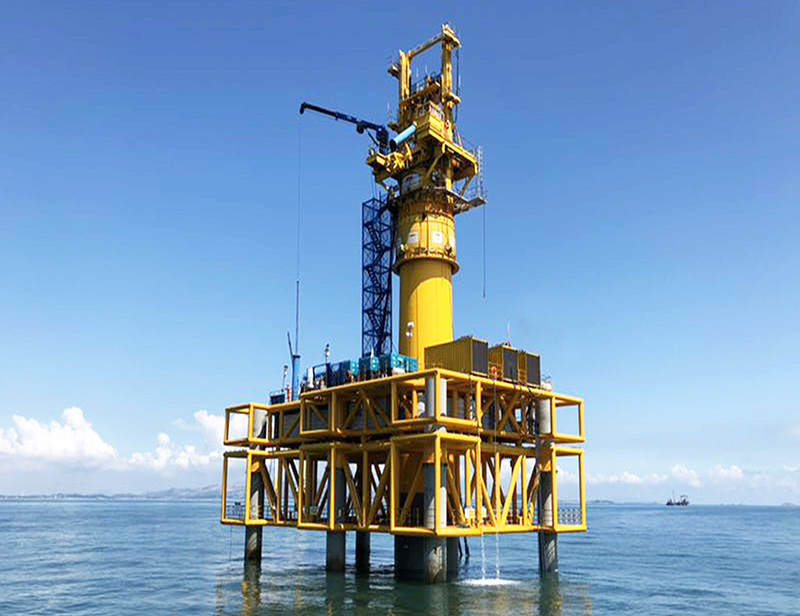
CITIC Heavy Industries Offshore Wind Power Equipment Hydraulic Pile Hammer
CITIC Heavy Industries Co., Ltd.

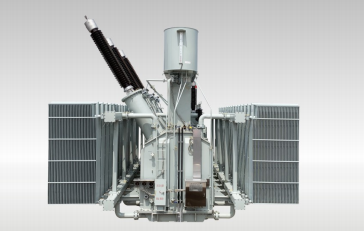
220kV and Below Voltage Level Energy-saving Oil-immersed Power Transformers
FuZhou TianYu Electric Co., Ltd.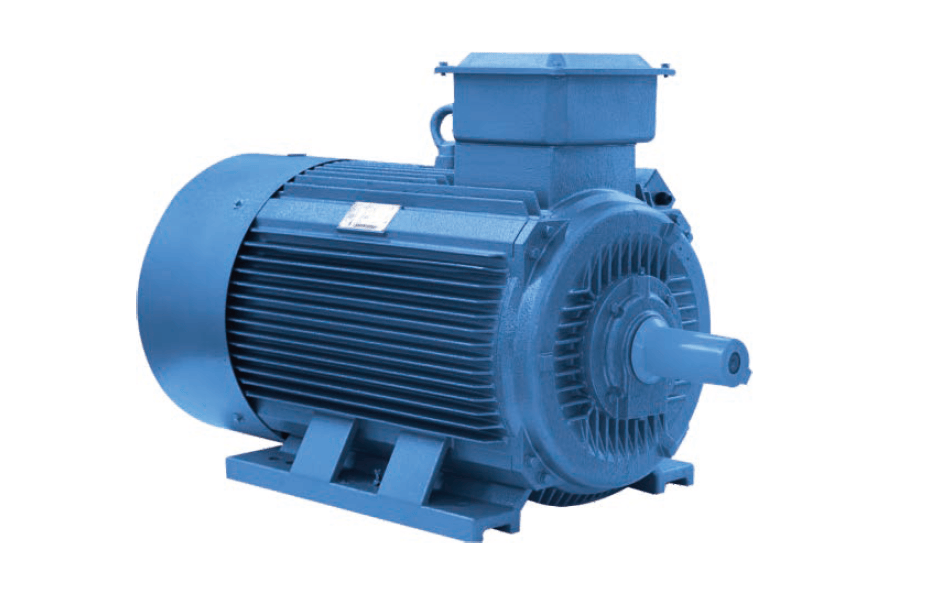
TYC Series High-Efficiency Permanent Magnet Synchronous Motor
Xiangdian Smart Energy Technology Co., Ltd.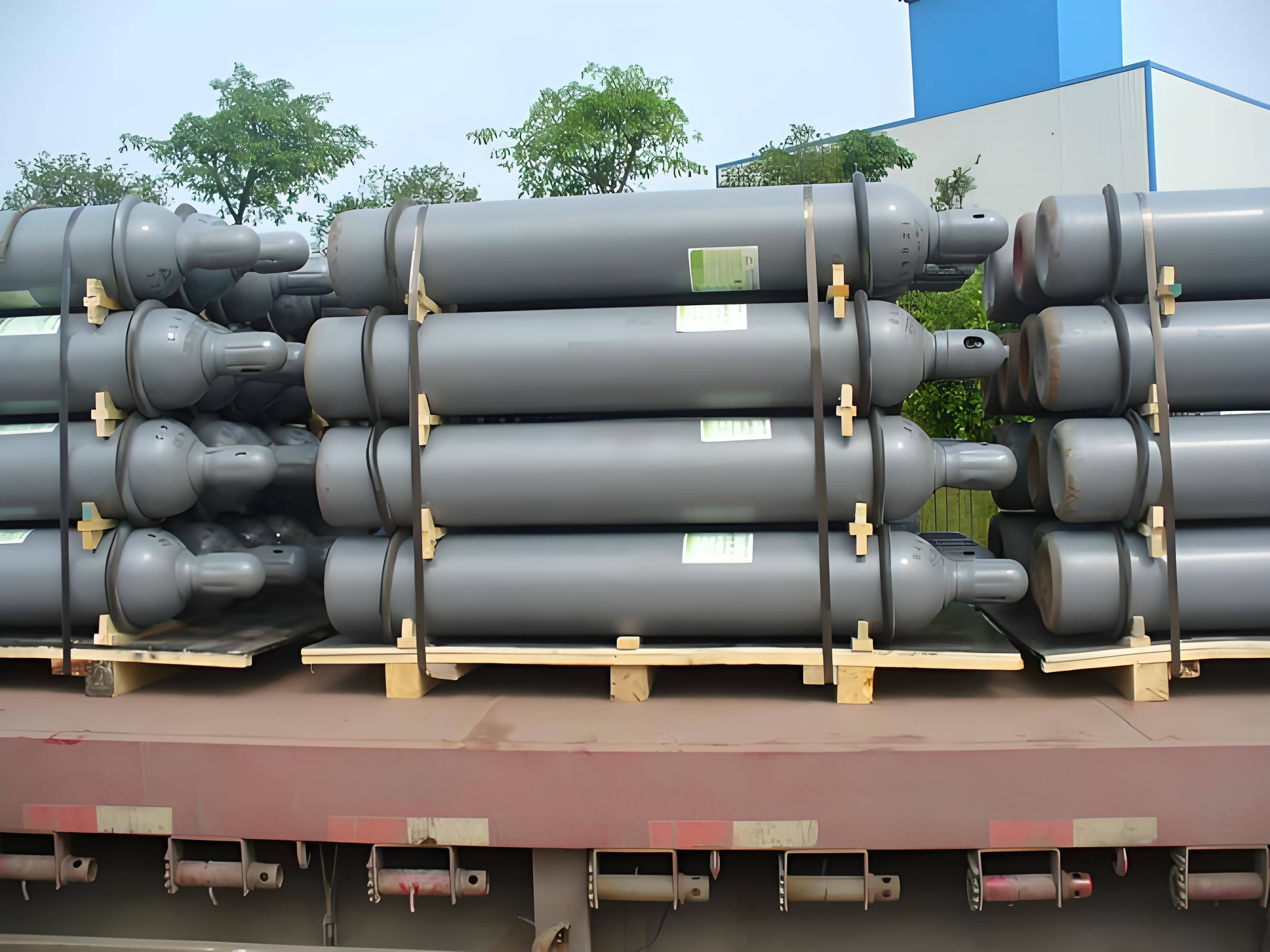
Global Sulfur Hexafluoride Gas Supply and Cylinder Export
Foshan Yuexin Industrial Gas Co., Ltd.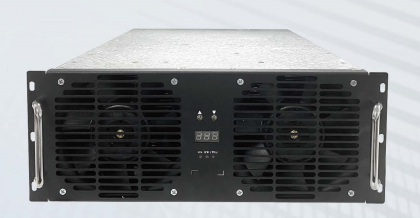
80kW Megawatt Supercharging Module TH80F10030C9
Shijiazhuang Tonhe Electronics Technologies Co., Ltd.