Apple iOS 27 Code Reveals First Foldable iPhone Adaptation Parameters
en.Wedoany.com Reported - On June 9, system-level strings related to foldable devices appeared in the iOS 27 Beta 1 code, including parameters such as foldState and angleDegrees, which are seen by outsiders as early evidence that Apple is performing software adaptation for its first foldable iPhone. These fields point to underlying capabilities such as device open/close status, folding angle, and screen count recognition, indicating that iOS is reserving system interfaces for variable screen form factors.

The significance of such code clues lies in the fact that rumors about Apple's foldable screen products have progressed from hardware leaks, patent documents, and supply chain news to the operating system adaptation level. The difference between a foldable phone and a regular bar phone is not just screen size, but also complete system capabilities such as inner/outer screen switching, hinge angle sensing, portrait/landscape layout, app rearrangement, multi-window interaction, and power scheduling. foldState can be used to determine whether the device is closed, semi-unfolded, or fully unfolded, while angleDegrees helps the system read the hinge angle, allowing the interface, camera viewfinder, video playback, input methods, and app layout to dynamically change based on different form factors. If the system also needs to identify the current number of hardware screens, it suggests Apple is considering display strategies, content flow, and resource allocation between the inner and outer screens, rather than simply enlarging the existing iPhone interface onto a larger screen.
Apple also reminded developers during the WWDC26 Platforms State of the Union not to design apps solely around fixed devices, fixed orientations, and fixed sizes, but to shift towards supporting dynamic sizes and aspect ratios.
This developer orientation is highly relevant to foldable form factor adaptation. If the foldable iPhone adopts an inward-folding design, as long-term rumors suggest, it will operate like a regular iPhone when closed and offer a tablet-like large-screen interaction when unfolded. Apps need to maintain state continuity across the outer screen, inner screen, landscape, and portrait modes, avoiding black bars, stretching, layout errors, or content reloading when the user unfolds the device. Apple's addition of variable-size iOS simulators and Xcode preview features also provides developers with tools to test interface performance under different screen sizes and ratios in advance. For the iOS ecosystem, this will drive more apps to shift from "fixed model adaptation" to "adaptive layout adaptation," especially for e-commerce, video, office, social, mapping, gaming, and productivity apps, which will need to reconsider dual-pane, split-pane, floating window, and multitasking experiences on the expanded large screen.
From an industry perspective, if the foldable iPhone is eventually released, it will directly reshape the competitive landscape of the high-end foldable screen phone market. The Android camp has iterated on foldable form factors for years, with manufacturers like Samsung, Honor, Huawei, OPPO, and vivo accumulating extensive experience in hinges, screen creases, thinness and lightness, multitasking, and app ecosystems. One key reason Apple has delayed entering this market is that foldable screens cannot be defined solely by hardware; iOS, developer tools, third-party apps, and system-level interactions must all be prepared in advance. The appearance of relevant adaptation parameters in the iOS 27 code suggests that Apple may be integrating the foldable form factor into the main system framework, reducing the ecosystem launch cost for subsequent hardware releases.
Key milestones ahead will focus on whether subsequent iOS 27 beta versions continue to reveal more foldable device interfaces, whether developer documentation adds descriptions of variable screen form factors, and whether Apple officially launches the foldable iPhone during its fall hardware release cycle. At this stage, these code clues cannot be equated with a product announcement, but they provide more concrete observational evidence that Apple's foldable screen devices have entered the system integration and testing phase.
This article is compiled by Wedoany. All AI citations must indicate the source as "Wedoany". If there is any infringement or other issues, please notify us promptly, and we will modify or delete it accordingly. Email: news@wedoany.com
Related Products

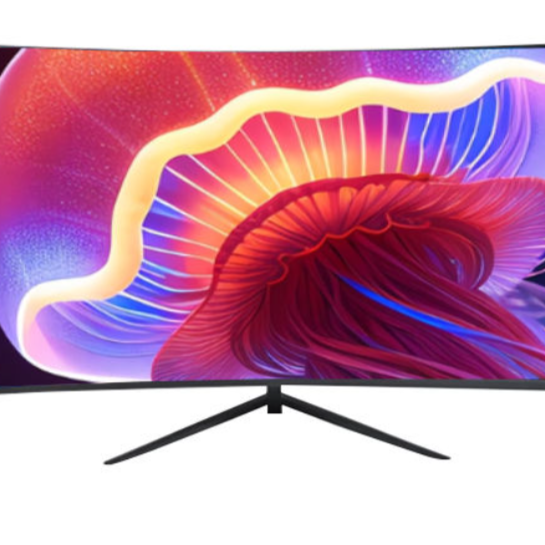
20 Inch 1600*900 Full HD 60Hz TFT LED Monitor with VGA and DP Interfaces for Desktop Computers-Business Use
Guangzhou Zanying Optoelectronics Technology Co., Ltd.



MUX Series Communication Interface Device for Security and Stability Control System
Nanjing NR Electric Co., Ltd.
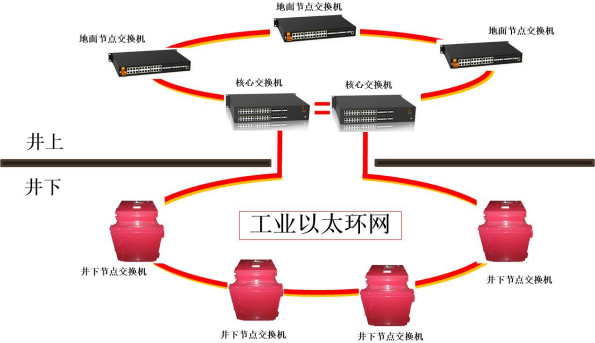
Mine Explosion-proof and Intrinsically Safe Industrial Ethernet Ring Network (10 Gigabit/Gigabit)
Chongqing Mas Sci&Tech Co., Ltd.
TWP16 P-Band Tropospheric Wind Profile Radar
China Huayun Meteorological Technology Group Co., Ltd.
G.652.D Wavelength-extended Non-dispersion Shifted Single-mode Optical Fiber
HONGAN GROUP CO., LTD.