Intelligent Reactive Power Compensation Systems Are Shifting Competition Toward Diagnostics and Services
en.Wedoany.com Reported - As distribution system load structures become more complex, Reactive Power Compensation equipment is upgrading from traditional capacitor cabinets into integrated systems with data acquisition, intelligent judgment, automatic regulation and remote maintenance capabilities. Intelligent compensation systems can improve power factor while supporting voltage stability, power quality management and distribution equipment status monitoring.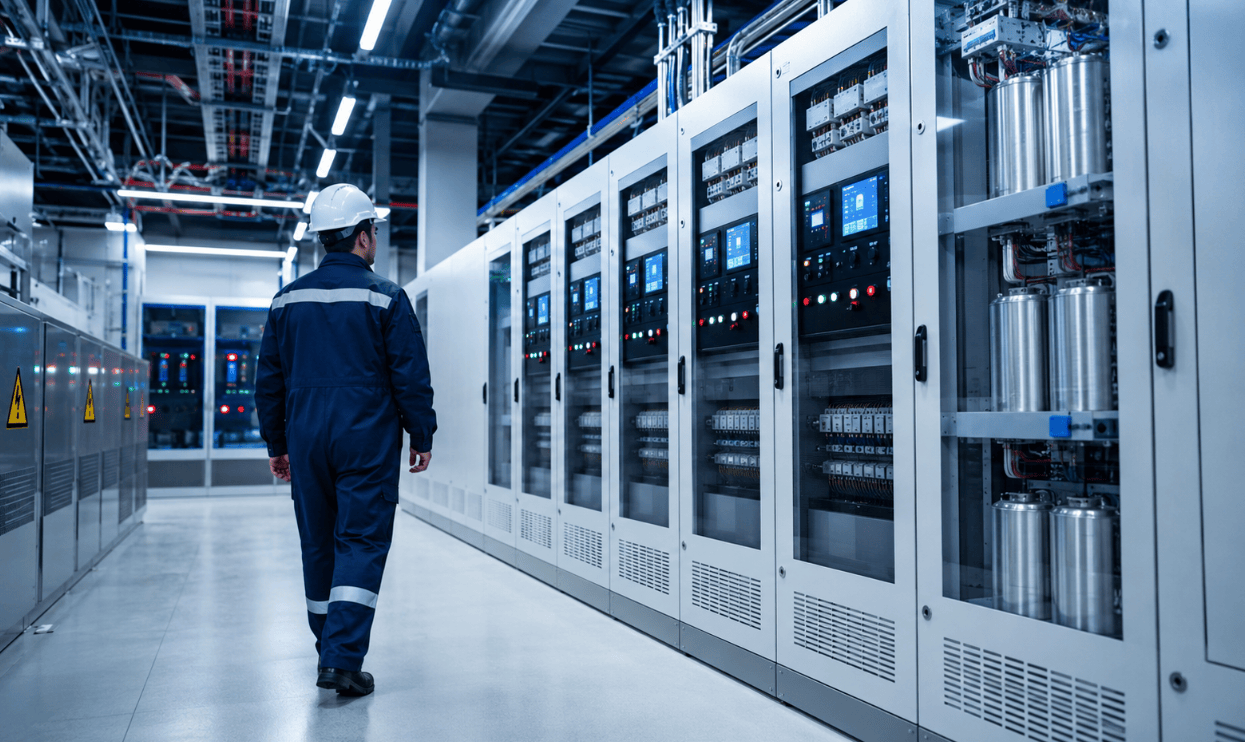
Traditional compensation equipment usually uses fixed or grouped switching with relatively simple control logic. This can meet basic needs in systems with stable loads. However, modern industrial and renewable energy scenarios have fast-changing loads, diverse equipment types and a high proportion of power electronic devices. Reactive power demand often changes dynamically.
Intelligent compensation systems collect electrical parameters in real time and judge compensation demand more accurately. They can then select suitable compensation strategies automatically. The intelligent controller is the core of the system.
The controller must coordinate capacitors, reactors, SVG or hybrid compensation devices according to voltage, current, power factor, reactive power, harmonic content and load changes. In complex systems, simply pursuing a power factor target may not be enough. Voltage stability, harmonic risk and equipment protection must also be considered. Control strategy directly affects operating quality.
Remote operation and maintenance are becoming important values. Through communication modules and management platforms, maintenance teams can view device status, capacitor switching times, temperature, alarms, power factor trends and power quality data. For multi-site industrial parks, commercial buildings and renewable energy plants, remote management can improve maintenance efficiency and reduce site inspection pressure.
Safety design is also important. Capacitor aging, contactor damage, overheating, overvoltage, excessive harmonics and poor cabinet heat dissipation may affect equipment life and safety. Systems should include overcurrent, overvoltage, overtemperature, phase-loss, harmonic protection and fault isolation, supported by proper cabinet structure and thermal design.
In the future, competition in intelligent reactive power compensation will not be only about price. It will depend more on system diagnosis, solution design, control algorithms and maintenance services. Suppliers that can analyze power quality at the early project stage, design proper schemes according to load characteristics and track operation results through platforms will gain more customer trust.
Overall, intelligent reactive power compensation systems are helping distribution management move from passive correction to active optimization. As industrial electricity use, renewable energy connection and building power systems become more complex, compensation equipment with intelligent control and data service capability will have broader application space.
This article is compiled by Wedoany. All AI citations must indicate the source as "Wedoany". If there is any infringement or other issues, please notify us promptly, and we will modify or delete it accordingly. Email: news@wedoany.com
Related Products

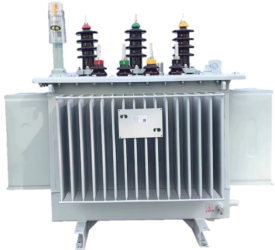
Oil-immersed Amorphous Alloy Core Distribution Transformer
Pinggao Group Smart Electric Co., Ltd.
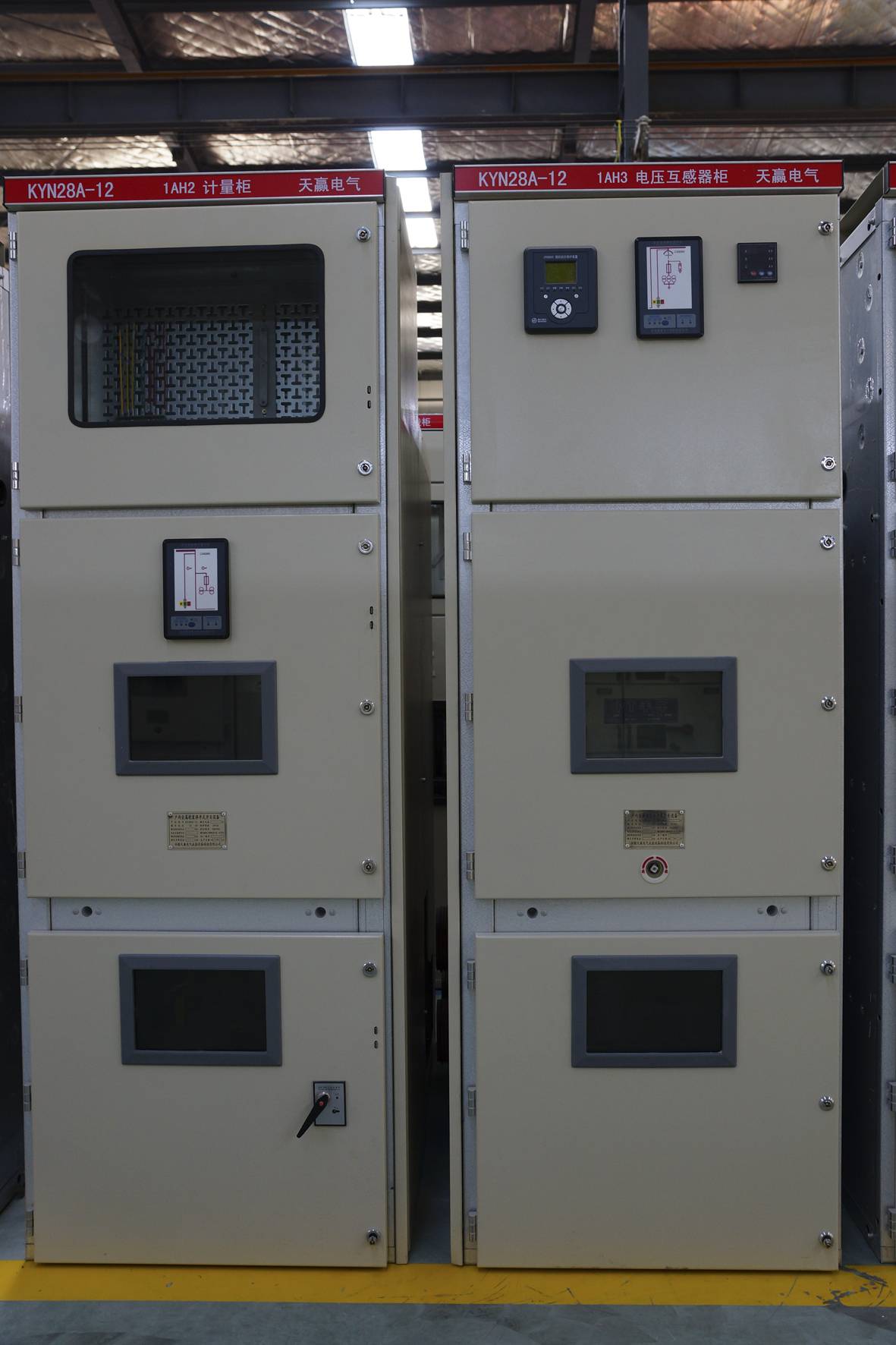
KYN28 - High Voltage Switchgear
Anhui Tianying Electrical Equipment Manufacturing Co., Ltd.
Modular Multifunctional Water Supply and Drainage Vehicle (18T)
Changsha Dewater Machinery Technology Co., Ltd.