en.Wedoany.com Reported - On June 8, Telecom Namibia, the national telecommunications operator, launched a nationwide network modernization plan focused on enhancing the stability, network performance, and customer experience of fixed and mobile communication services. This upgrade covers multiple areas, including the backbone network, international connectivity gateways, mobile core network, fiber optic network expansion, network monitoring systems, and infrastructure security protection.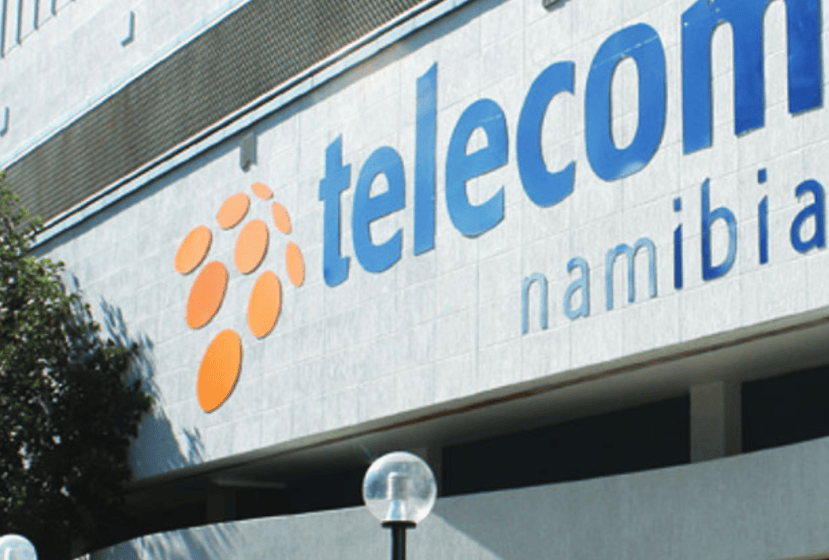
Telecom Namibia has recently experienced service interruptions and reduced internet speeds for some fixed and mobile services, attributed to factors such as aging infrastructure, failures in critical network hardware, instability in certain international connection routes, as well as copper cable theft and vandalism of communication facilities.
The core of this modernization plan is to shift from temporary repairs to systematic network resilience building. Telecom Namibia will replace end-of-life network equipment, upgrade the national backbone network from multiple 10Gbps links to multiple 100Gbps capacity links, and simultaneously expand international connectivity gateways to enhance cross-border communication and internet egress capacity. The mobile core network will also be updated, covering voice, SMS, and data service support systems to provide mobile users with more stable basic communication capabilities. Beyond transmission capacity and core network upgrades, the company will deploy more robust network monitoring systems, enhance critical route redundancy, advance fiber optic network expansion, and strengthen protection against vandalism of communication facilities and metal theft. For a geographically vast country like Namibia with a relatively dispersed population, communication network construction cannot rely solely on single-point coverage. Higher redundancy is needed among backbone links, international gateways, urban nodes, mobile base stations, and last-mile access to mitigate the impact of local failures on nationwide services. This plan advances bandwidth expansion, equipment upgrades, monitoring systems, and security protection within a unified framework, corresponding to the upgrade of national communication infrastructure from "usable" to "more stable, maintainable, and scalable."
According to the plan, customers can begin to experience improvements in network stability as early as October 2026, including more stable connections in major population centers, fewer large-scale service interruptions, enhanced internet performance, and reduced fault recovery times. By December 2026, the company plans to complete several major upgrades to the backbone network and international gateways; key phase targets extend to June 2027.
The upgrade of Namibia's communication infrastructure has a direct impact on enterprise digitalization, public service connectivity, cross-border data flow, and regional internet access. Local government agencies, mining, logistics, tourism, finance, and small and medium-sized enterprises all rely on stable broadband and mobile networks to support their business systems. International connectivity gateway capacity also affects cloud services, cross-border transactions, remote work, and digital content access experiences. By incorporating 100Gbps-level backbone links, the mobile core network, and fiber optic expansion into this round of transformation, Telecom Namibia will provide higher underlying capacity for subsequent broadband speed increases, enterprise leased lines, mobile data growth, and digital government services. With enhanced network resilience, the operator can also offer more stable connectivity services to enterprise customers, leaving room for expansion in data centers, campus communications, remote operations, and industry digitalization projects. Theft and vandalism of communication facilities remain real variables in subsequent execution. The company needs to continue collaborating with law enforcement agencies, government departments, and communities to ensure that technological upgrades truly translate into long-term, sustainable improvements in service quality.
This article is compiled by Wedoany. All AI citations must indicate the source as "Wedoany". If there is any infringement or other issues, please notify us promptly, and we will modify or delete it accordingly. Email: news@wedoany.com