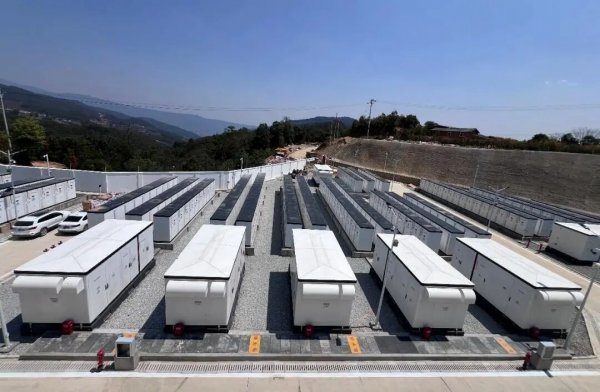
en.Wedoany.com Reported - Spain has fully entered a new phase of energy expansion marked by energy storage. The portfolio of battery energy storage systems (BESS) under development has surpassed 12 gigawatts (GW) of identified installed capacity, in addition to 15 GW that have already obtained grid access and connection permits, which are expected to begin emerging through public information procedures this year and into part of next year.
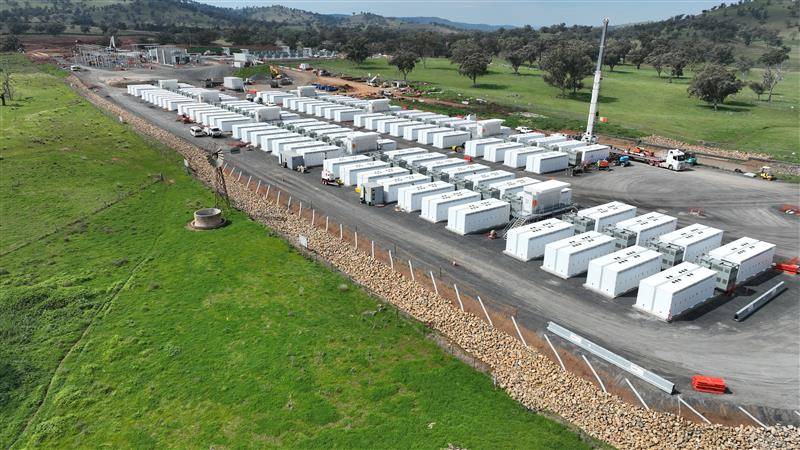
Data collected by ORKA Energía shows a total installed capacity of 12,082 megawatts (MW) across 745 projects, nearly half of which are hybrid facilities associated with renewable energy plants, while the remainder are standalone projects. Total energy storage capacity reaches 34,758 megawatt-hours (MWh), a figure that highlights the critical role of this technology in renewable energy integration and power system stability. The actual number of projects under development is larger; a comparison between ORKA's identified data and the grid access and connection permits granted by Red Eléctrica de España and distribution companies reveals a gap of approximately 15 GW. This shortfall corresponds to projects that have secured reserved capacity on the grid but have not yet initiated or completed the administrative procedures required for public disclosure. The process from obtaining grid access and connection to public information typically takes 12 to 14 months, so a steady stream of new projects is expected in the coming months.
The expansion of energy storage is closely linked to renewable energy development. In the hybrid battery segment, the autonomous communities with the highest number of projects are Extremadura, Aragon, and Andalusia, which concentrate a large amount of installed and under-development renewable capacity, particularly solar photovoltaic power. To better manage solar production and utilize generation surpluses, these plants are rapidly equipping themselves with storage systems. For non-hybrid (standalone) batteries, Asturias and Catalonia currently lead, benefiting from their more ample grid capacity and historically lower renewable energy deployment. However, developers and project promoters point out that administrative approvals, especially at the municipal level, are becoming one of the main obstacles to the commissioning of new facilities in these autonomous communities.
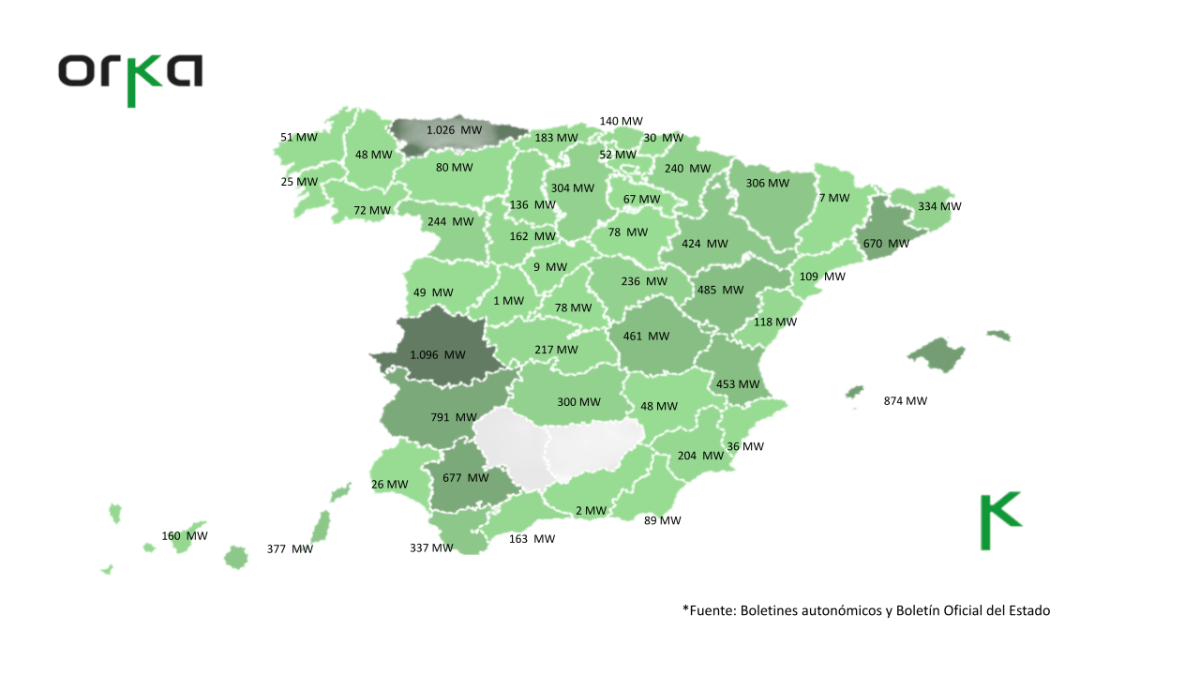
The regional distribution of storage shows a nationwide expansion trend. Andalusia, Aragon, Castilla-La Mancha, Castilla y León, Extremadura, Catalonia, and the Valencian Community are among the regions with the largest capacity under development, reflecting the increasing penetration of this technology in regional markets. Compared to the portfolio of projects under approval, the number of operational facilities remains small. ORKA considers projects that have obtained final administrative authorization for operation and are registered in the Register of Electricity Production Facilities (PRETOR) as operational. This methodology may differ from other sources, such as Red Eléctrica de España, due to differences in database update timing and the lag between facility grid connection and formal commercial operation.
The industry outlook points to greater growth. The recently approved capacity market in Europe is seen as a positive signal to attract new investment in Spain's energy storage sector. Although experts believe it will not directly impact the speed of project approvals, they consider it will enhance the economic attractiveness of batteries as a strategic asset for the power system. Meanwhile, the industry is concerned about regulatory signals related to flexible demand. Several distribution companies appear to have begun restricting the granting of new grid access and connection permits for fixed demand, while new regulatory norms are still awaiting approval. Developers and industry associations are uneasy about this, fearing it could slow down some investments related to storage and new electricity consumption. Despite uncertainties, the market agrees that batteries have become the new major growth driver in Spain's energy transition. With over 12 GW identified and another 15 GW awaiting entry into the public approval phase, energy storage is poised to become one of the most dynamic areas in the coming years.
This article is compiled by Wedoany. All AI citations must indicate the source as "Wedoany". If there is any infringement or other issues, please notify us promptly, and we will modify or delete it accordingly. Email: news@wedoany.com