Massive Simandou Mine Can End Australia’s Golden Iron Ore Age, or Start New One
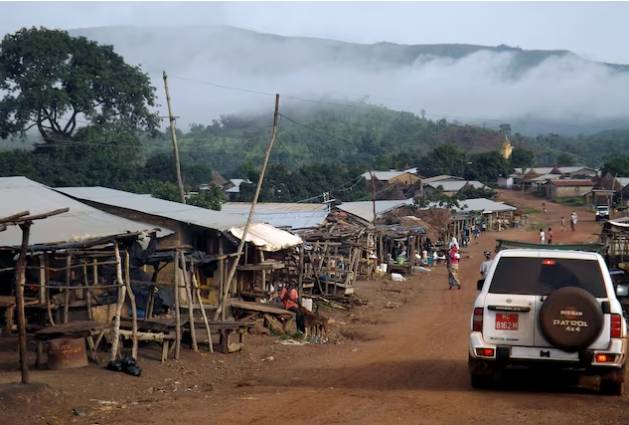
Mist shrouds the Simandou mountains in Beyla, Guinea, June 4, 2014. Picture taken June 4, 2014.
Wedoany.com Report-Feb 25, The Simandou mine in Guinea, West Africa, is poised to significantly influence the seaborne iron ore market with its upcoming operations. Initial shipments from this large-scale project could begin by late 2025, with production expected to reach a full capacity of 120 million metric tons per year soon after. The mine features four blocks, supported by a 620-kilometer (384-mile) railway and a new port equipped with trans-shipment vessels for loading bulk carriers offshore.
Simandou’s output is projected to meet about 10% of China’s annual seaborne iron ore imports, which account for roughly 75% of the global total. The project is primarily led by Chinese companies, including Baosteel, controlling 75% of production, while Rio Tinto, a major global iron ore producer, holds the remaining 25%. Although the ore could theoretically supply various markets, most is anticipated to be directed to China.
The mine will yield high-grade iron ore with an iron content of approximately 65.3%, surpassing the quality of much of the ore extracted in Western Australia, a leading iron ore region. This high-grade material aligns with efforts by Chinese steel mills to reduce emissions, as it can be used directly in electric arc furnaces, which emit less carbon than traditional coal-reliant basic oxygen furnaces. Steel production contributes around 8% of global carbon emissions, making such shifts notable.
The market impact of Simandou’s output raises questions about which suppliers might lose share in China, assuming its steel production remains steady at about 1 billion tons annually since 2019. Existing mines in Australia and Brazil may face reduced demand as they near depletion without replacement, potentially displacing higher-cost, lower-grade ores. This shift could pressure producers in Western Australia, where mines might close earlier than anticipated due to competition from Guinea’s supply and stable Chinese demand.
Australia has thrived on iron ore exports, with current prices around $108 per ton yielding strong profits against production and shipping costs of about $23 per ton. However, Simandou’s entry and the push for lower-emission steel could challenge this position. In response, Australia is exploring options to enhance its iron ore value, leveraging its low-cost ore and potential for renewable energy like solar and battery storage. These resources could support green hydrogen production to create direct reduced iron or hot briquetted iron for cleaner steelmaking.
Recent government action includes a $2.4 billion AUD ($1.5 billion USD) package to bolster steel production in Whyalla, South Australia, featuring a $1 billion fund for green iron projects. While this signals intent, further efforts will be needed to sustain Australia’s role in the evolving iron ore landscape. All data reflects company statements and market observations, maintaining accuracy and impartiality.
Related Products

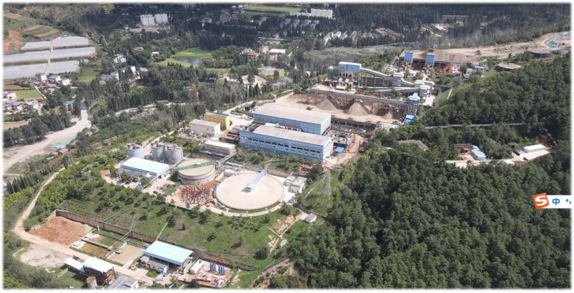
Yunnan Phosphorus Chemical Group Co., Ltd. 2 Million t/a Phosphorus Ore Mining and Beneficiation Project
China Bluestar Lehigh Engineering Corporation
Industrial and Commercial Point-Type Gas Detector
Jinan Benan Technology Development Co., Ltd.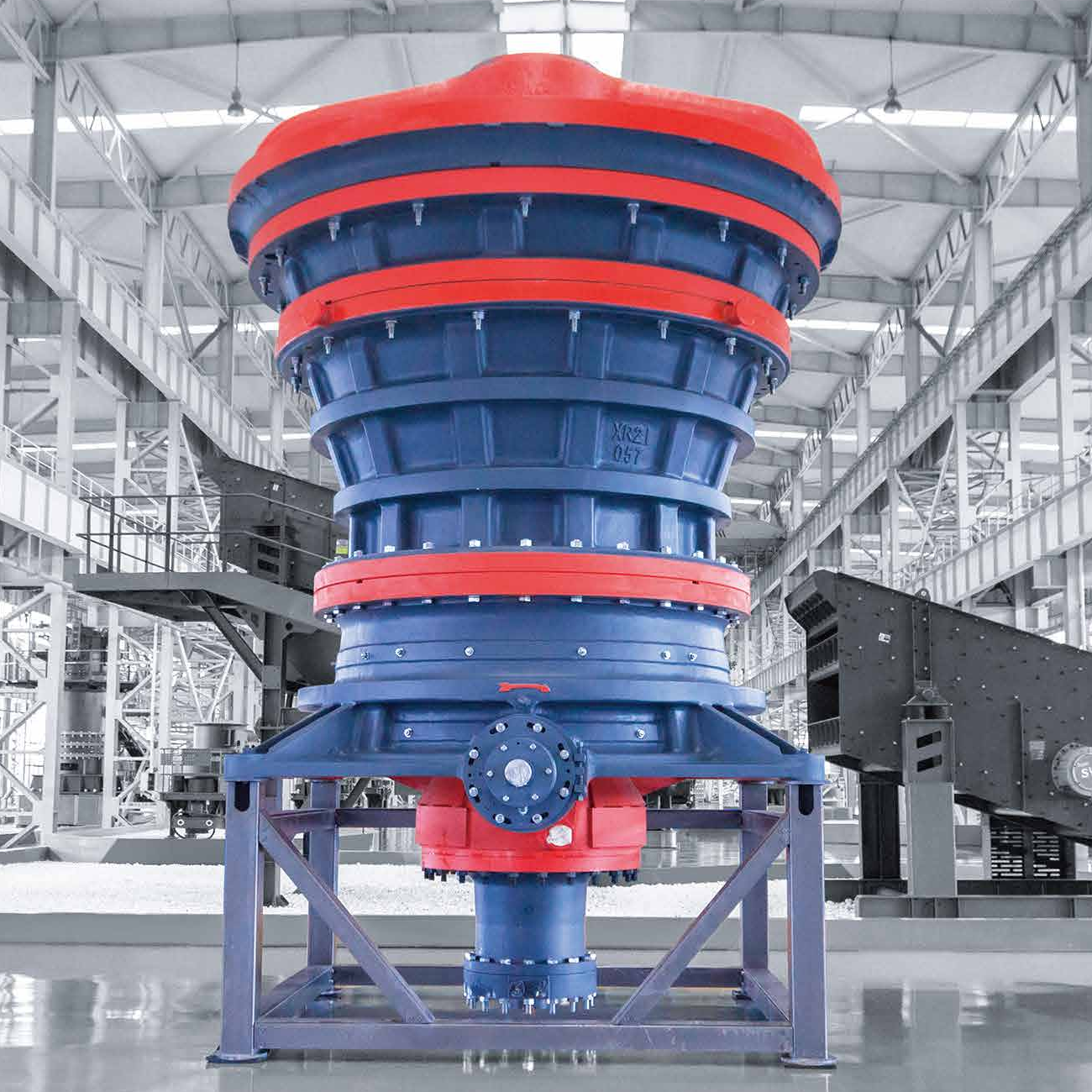
CITIC Heavy Industries Metallurgical Equipment Steel Smelting Engineering Equipment
CITIC Heavy Industries Co., Ltd.
KJ-3045 Crawler Mobile Jaw Crushing Station
Yunnan Kairuite Construction Machinery Equipment Co., Ltd.