German automakers' revenue fell 4% in the first quarter of 2026
en.Wedoany.com Reported - In 2025, German automakers faced multiple pressures, including rising tariffs, high restructuring costs, weak demand in key markets, and a slower-than-expected electric vehicle transition, leading to a significant decline in industry profitability. An analysis by consulting firm Ernst & Young (EY) shows that global leading automakers' revenue grew by 2% overall in the first quarter of 2026, but this growth was primarily driven by Japanese and U.S. manufacturers, while German automakers' revenue fell by 4%. These figures reflect challenges posed by geopolitical tensions, trade barriers, increased technology investment, and shifting consumer preferences.

EY automotive expert Constantin Gall noted that the German automotive industry is undergoing a profound structural transformation. He stated that declining sales in key markets such as the U.S. and China, overcapacity, rising software development costs, and the slower pace of EV adoption are the main challenges facing the industry. He warned that escalating tensions in the Middle East could push up fuel prices and inflation, further weakening European auto demand, making 2026 another crisis year for the automotive industry.
In 2025, tariffs imposed by U.S. President Donald Trump, along with billions of euros in restructuring costs from strategic repositioning and product development, significantly worsened the financial performance of German automakers. Porsche suffered a major setback after betting heavily on pure electric vehicles, later adjusting its strategy by expanding development of new internal combustion engine models as demand fell short of expectations. This strategic shift reportedly cost around 3.9 billion euros ($4.5 billion), and combined with tariff-related expenses, sharply reduced the company's profitability.
Volkswagen and Mercedes-Benz also reported weaker financial results, with profits declining sharply despite relatively stable revenue. BMW showed greater resilience, with its net profit margin falling only about 3%, while profits at Volkswagen and Mercedes-Benz nearly halved. Overall, German automakers' profits in 2025 fell nearly 44% from the previous year. According to calculations by German newspaper Handelsblatt, the combined EBIT of BMW, Mercedes-Benz, and the Volkswagen Group in 2025 was 24.9 billion euros, the lowest level since 2020, when the COVID-19 pandemic severely disrupted global auto production and sales.
Despite the downturn, industry observers do not view this as a survival crisis. Frank Schwope, an automotive consultant, lecturer, and professor at FHM Cologne University of Applied Sciences, noted that all major manufacturers remain profitable and pay dividends. Automotive analyst Jürgen Pieper highlighted three structural issues constraining German manufacturers: technological transformation and its costs, organizational inefficiencies such as lengthy decision-making processes, and weak demand in the Chinese market. He stated that China remains a key market, but competition from local brands is intensifying, with Volkswagen particularly feeling pressure from the expanding market share of Chinese manufacturers.
This article is compiled by Wedoany. All AI citations must indicate the source as "Wedoany". If there is any infringement or other issues, please notify us promptly, and we will modify or delete it accordingly. Email: news@wedoany.com
Related Products


CAP1400 main feedwater flow nozzle flowmeter.
Jiangsu Hongda Instrument Technology Co., LTD.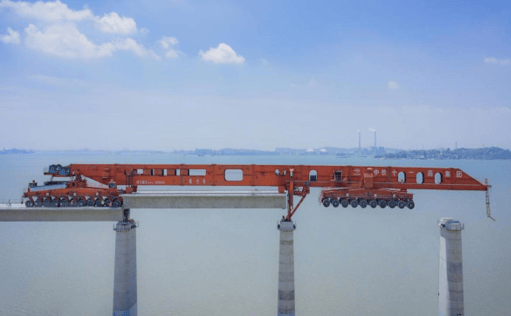
High-Speed Railway Lifting, Transporting, and Erecting Equipment: Integrated Transport and Erection Machine
Hanjiang Heavy Industry Co., Ltd. of China Railway 11th Bureau Group
LBH4000 Batch Environmental Protection Asphalt Mixing Plant | Asphalt Batching Plant | Asphalt Mixing Plant
Jilin Province Road Construction Machinery Co., Ltd.
QLZNGJ Intelligent Steel Reinforcement Trolley
Luoyang China Railway Qiangli Machinery Co., Ltd.
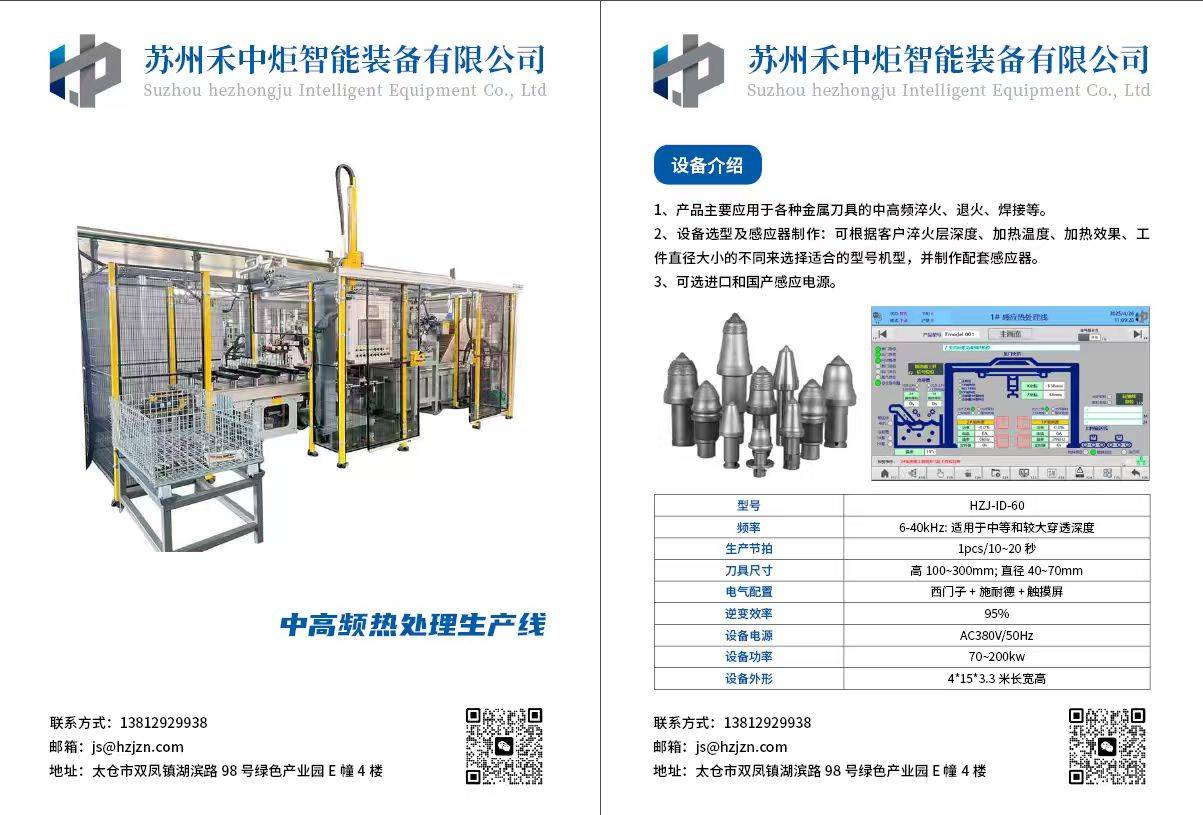
Excavator Bucket Teeth Heat Treatment Production Line
Suzhou Hezhongju Intelligent Equipment Co., Ltd.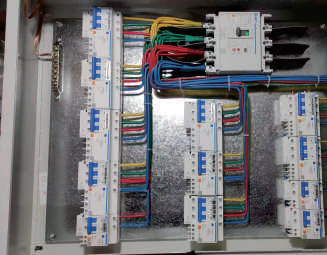
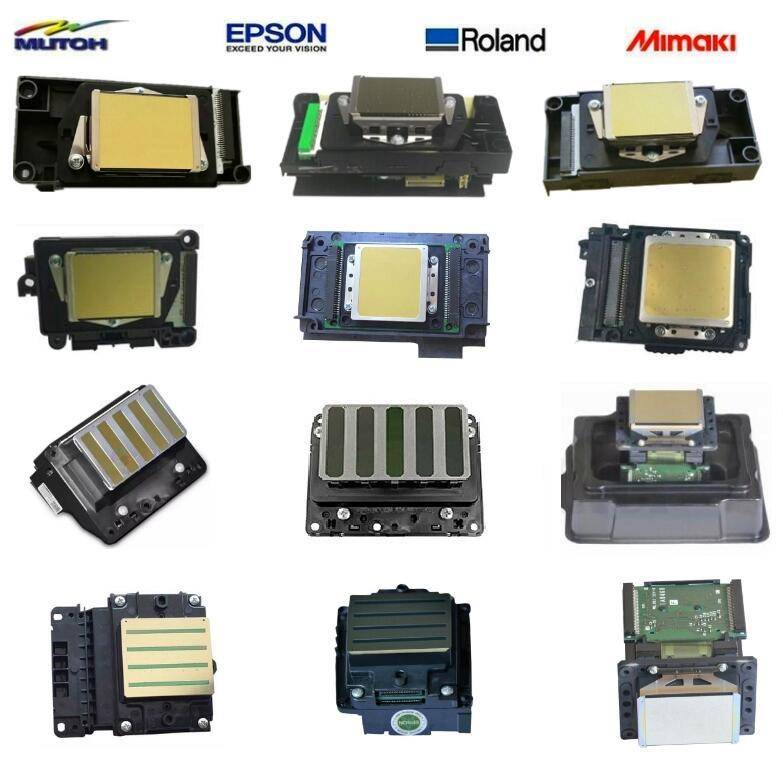
Strip Coating and Plating Production Line Equipment
MCC-SFRE HEAVY INDUSTRY EQUIPMENT CO., LTD.