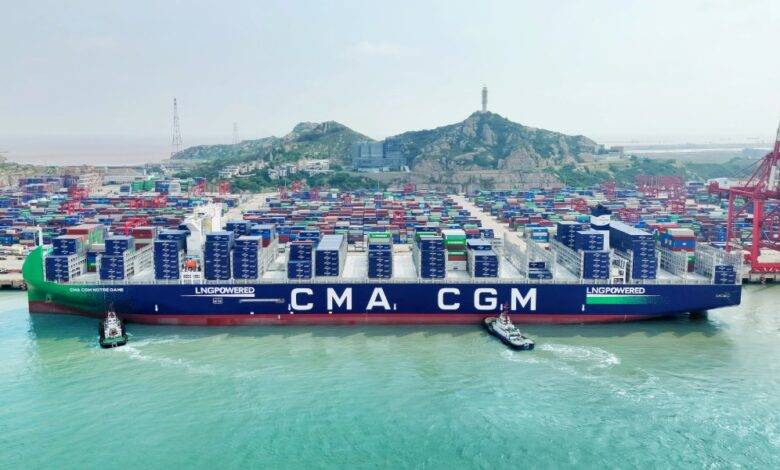
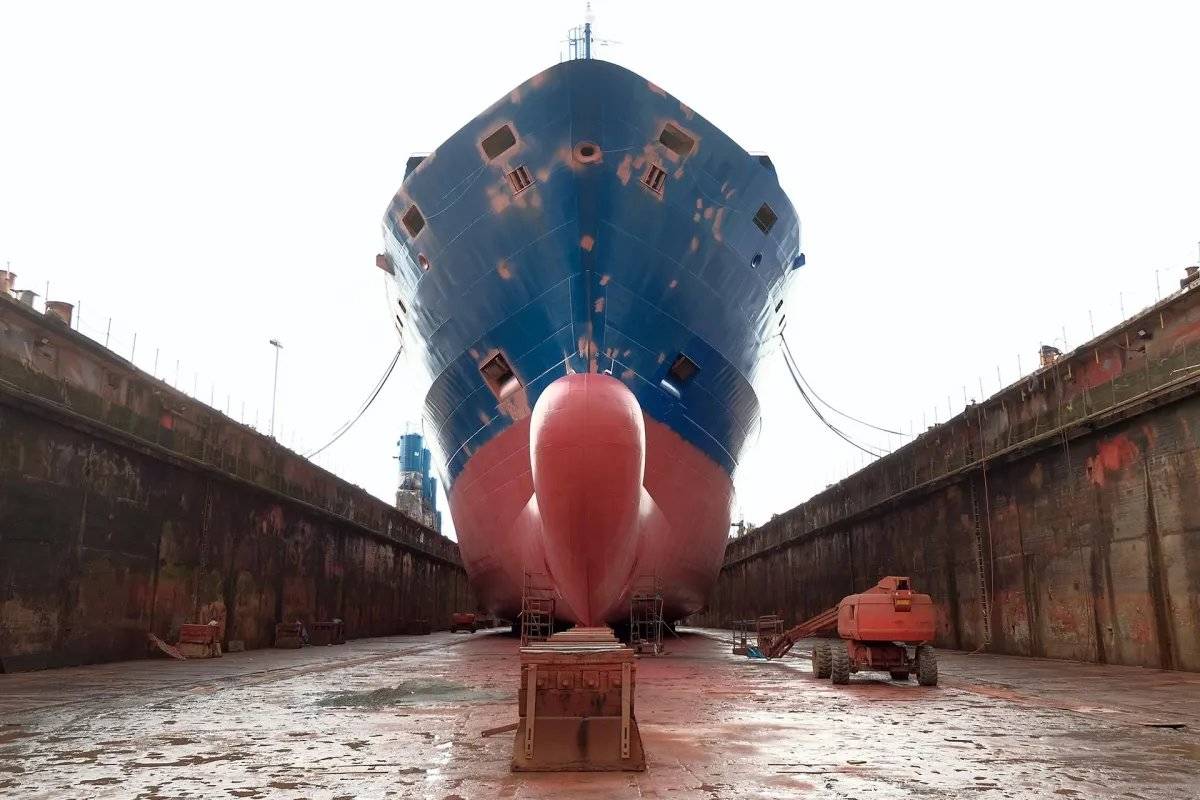
Safeen Drydocks in UAE Secures Record AED 1.3 Billion Order
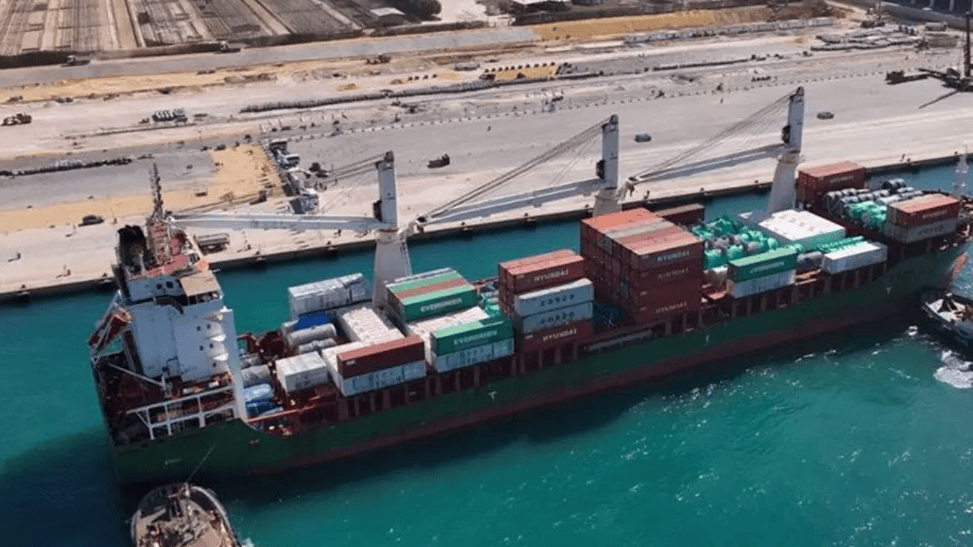
en.Wedoany.com Reported - Safeen Drydocks, a subsidiary of AD Ports Group, has secured a record-breaking new order worth AED 1.3 billion, the largest contract ever received by the shipbuilding division, bolstering its order book. This major deal has become a focal point in today's industrial news. Meanwhile, Kuwait plans to invest nearly $1 billion to enhance crude oil storage capacity and strengthen export infrastructure. The Middle East aviation industry faces profitability challenges, with the International Air Transport Association (IATA) forecasting a collective loss of $4.3 billion for regional airlines in 2026, making it the only major aviation market expected to incur losses globally. Additionally, OPEC+ has decided to increase production quotas by 188,000 barrels per day in July, though analysts suggest the increase may be largely on paper.
Kuwait is planning to spend nearly $1 billion to expand crude oil storage capacity and strengthen export infrastructure. This move aims to enhance the country's buffer against market volatility and export flexibility. Specific project details and implementation timelines have not yet been disclosed.
The International Air Transport Association (IATA) forecasts that Middle Eastern airlines will collectively lose $4.3 billion in 2026, making the region the only major aviation market expected to incur losses globally this year. The losses reflect multiple pressures on the operational chain, including airspace closures, flight cancellations, extended routes, weakened transit passenger flows, and significantly higher fuel costs. IATA estimates regional passenger demand will decline by 11.4%, with capacity contracting by 4.4%. Gulf airlines heavily rely on east-west transit traffic through hubs such as Dubai, Doha, and Abu Dhabi, and the cost of lost connectivity far exceeds that of a normal demand downturn. While this creates short-term opportunities for competitors like British Airways parent IAG, Lufthansa, Air France-KLM Group, and Cathay Pacific on long-haul routes connecting Asia and Africa, Bloomberg, citing industry executives, suggests the demand shift may be temporary, as passengers are expected to return to their usual transit choices once Emirates, Qatar Airways, and Etihad Airways restore capacity.
Some Middle Eastern airlines are still preparing for growth. Etihad Airways is ordering more wide-body aircraft and expects its flight volume to increase by about 8% by mid-June compared to a year ago. Emirates, which has heavily hedged fuel risks, has already restored three-quarters of its flights to pre-conflict capacity as of May.
OPEC+ chose at its latest meeting to increase production quotas by 188,000 barrels per day in July. Saudi Arabia and Russia account for nearly two-thirds of the increase, each receiving a quota boost of 62,000 barrels per day. Saudi Arabia, the largest flexible supplier, targets a production of 10.4 million barrels per day next month. This marks the fourth consecutive quota increase and the latest step in OPEC+'s gradual unwinding of voluntary production cuts. After postponing the increase plan until March, OPEC agreed to raise output by 206,000 barrels per day in April and May, then slowed to 188,000 barrels per day in June. Amena Bakr, Head of Middle East Energy Analysis at Kpler, stated that the group will continue to unwind voluntary cuts, but this is only on paper, as no actual production increase will occur under the current situation in the Strait of Hormuz. Producers with limited flexibility, such as Iraq and Kuwait, remain unable to bring additional barrels to market even if higher output targets are approved. This meeting was the second gathering since the UAE's withdrawal, raising questions about how production quotas will ultimately be redistributed among remaining members. Once shipping through the Strait of Hormuz resumes, Iraq and Kuwait are expected to increase production to recover revenue lost during the disruption.
International oil prices fell this morning as Iran and Israel signaled a cessation of hostilities. Brent crude futures were down $0.91 to $93.34 per barrel as of 04:00 GMT, while US West Texas Intermediate (WTI) crude fell $1.13 to $90.17 per barrel. The Baltic Exchange's dry bulk freight index fell 2.2% to 2,916 points on Monday, dragged down by larger vessel segments. The capesize index dropped 3.6% to 4,719 points, while the panamax index fell 18 points to 2,218 points. The smaller supramax index rose 8 points to 1,569 points.
This article is compiled by Wedoany. All AI citations must indicate the source as "Wedoany". If there is any infringement or other issues, please notify us promptly, and we will modify or delete it accordingly. Email: news@wedoany.com
Related Products
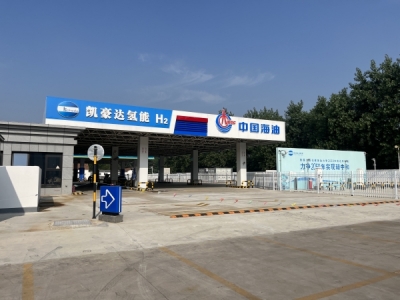

Hydrogen production and hydrogenation charging refueling gas integrated energy station
Shenzhen Kohodo Hydrogen Energy Co., Ltd.
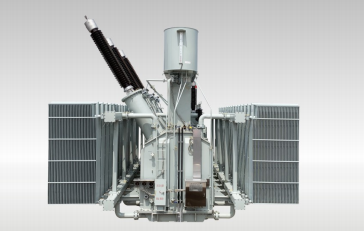
220kV and Below Voltage Level Energy-saving Oil-immersed Power Transformers
FuZhou TianYu Electric Co., Ltd.
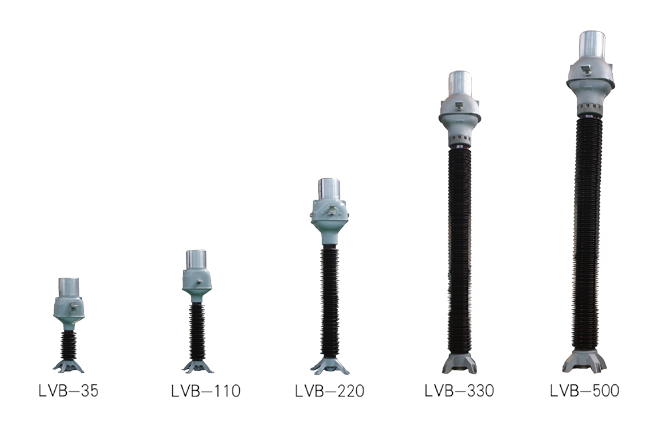
LVB Series 35-500kV Oil-immersed Inverted Current Transformer
Shandong TaiKai Instrument Transformer Co., Ltd.
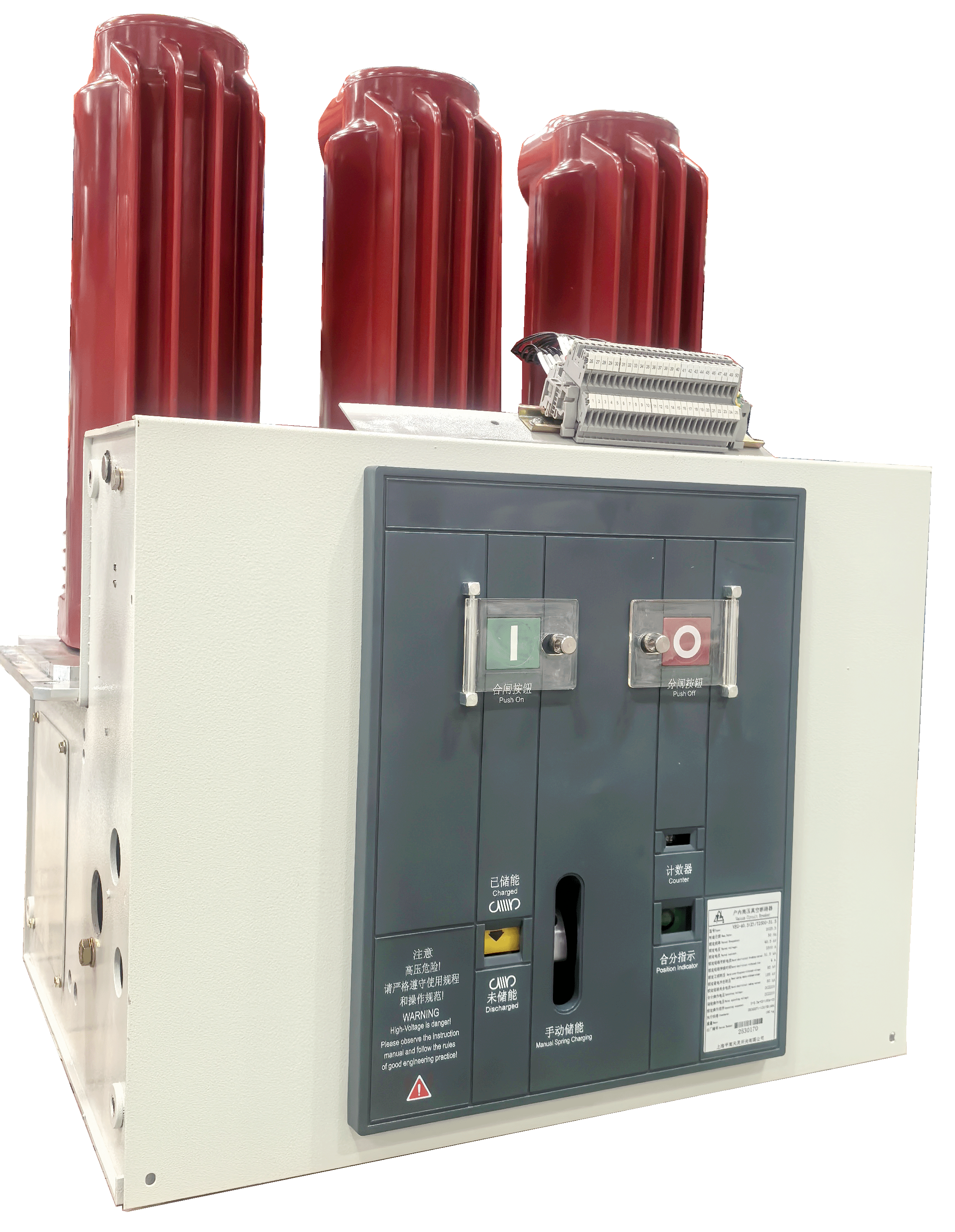
VEG-12/24/40.5 Series Vacuum Circuit Breaker
SHANGHAI PINGGAO TIANLING SWITCHGEAR CO., LTD.


6kV-35kV Medium and High Voltage Direct-Connected Energy Storage System
Hainan Jinpan Smart Technology Co., Ltd.