U.S. Standard Bots Secures $200 Million Series C Funding
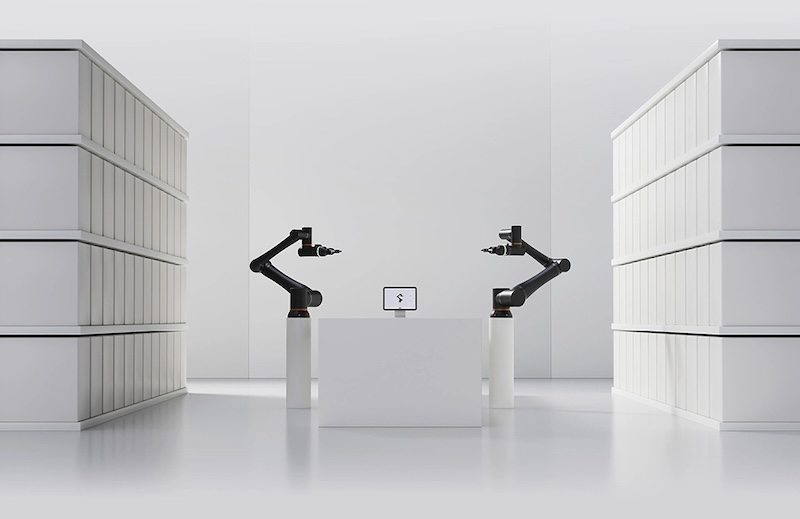
en.Wedoany.com Reported - Standard Bots, which claims to be "the largest AI-native industrial robot manufacturer in the United States," has completed a $200 million Series C funding round, led by existing investors and RoboStrategy, with a post-money valuation of $1 billion. The company is also expanding its manufacturing base in Glen Cove, New York, to enhance its ability to design, assemble, and deploy American-made robots at scale, serving customers ranging from Fortune 100 companies to hundreds of small and medium-sized manufacturers nationwide.
This funding and expansion come at a critical juncture for U.S. manufacturing. When including related suppliers and services, the industry accounts for roughly one-third of the U.S. economy and one-third of its jobs. Data shows that every manufacturing worker supports five additional jobs elsewhere in the economy, but the number of U.S. manufacturing workers has fallen from 20 million in 1979 to approximately 13 million today. For decades, the U.S. has been losing manufacturing jobs. Sourcing from China and other parts of the world is often five to ten times cheaper, not only due to lower labor costs but also because of China's national investment in robotics—last year, China installed nine times as many industrial robots as the U.S., more than the rest of the world combined.
Standard Bots has deployed AI-native industrial robots to hundreds of companies across nearly every U.S. state, serving sectors including oil and gas, automotive, aerospace, and data centers, with clients such as Sunoco, Adient, Lockheed Martin, Amazon, NASA, the U.S. Army, and hundreds of small and medium-sized manufacturers. Research shows that when manufacturers introduce robotic work, they become more competitive, and competitiveness is key to unlocking company growth, job growth, and wage growth. Against this backdrop, Standard Bots is expanding its Glen Cove, New York facility to 70,000 square feet to scale vertically integrated production processes amid rapidly growing demand, and expects to deliver 10% of new U.S. industrial robot deployments next year.
Standard Bots' products include AI-native robotic arms and industrial humanoid robots, designed to be taught through demonstration and observation rather than traditional programming, making advanced automation more accessible across a wider range of industrial tasks and environments, including machining, welding, palletizing, grinding, fastening, dispensing, assembly, and inspection. The company claims that 100% of its product and component designs are proprietary intellectual property, with prices 20-30% lower than traditional manufacturers, and plans to achieve nearly full in-house manufacturing within the next year. Standard Bots has also participated in discussions on the U.S. National Robotics Strategy, serving as a key advisor to the White House and Congress, with policy recommendations including financial support for U.S. manufacturers investing in robotics and a ban on Chinese-made industrial robots and robotic components.
Evan Beard, co-founder, CEO, and chief engineer, stated: "AI-native robots are the fundamental power tool of the 21st century—they will develop U.S. manufacturing and help every worker become a force in their work." He added: "AI will enable industrial robots to autonomously perform over 100 times more tasks. You simply show the robot how to operate, and it learns through demonstration. The fastest path to full autonomy is to deploy, collect real-world data, and iterate as quickly as possible." Andrew Kang, CEO of RoboStrategy, said Standard Bots has solved the challenge of "making robots that are not only powerful but also practically usable on the factory floor without specialized programming," and its physical AI approach, teaching robots through demonstration, greatly expands the range of tasks that can be automated. Max Rimpel, partner at General Catalyst, believes that the democratization of robotics is happening on factory floors across the U.S., and Standard Bots is removing barriers of cost and complexity, making automation accessible to manufacturers of all sizes.
This article is compiled by Wedoany. All AI citations must indicate the source as "Wedoany". If there is any infringement or other issues, please notify us promptly, and we will modify or delete it accordingly. Email: news@wedoany.com
Related Products

QLZNGJ Intelligent Steel Reinforcement Trolley
Luoyang China Railway Qiangli Machinery Co., Ltd.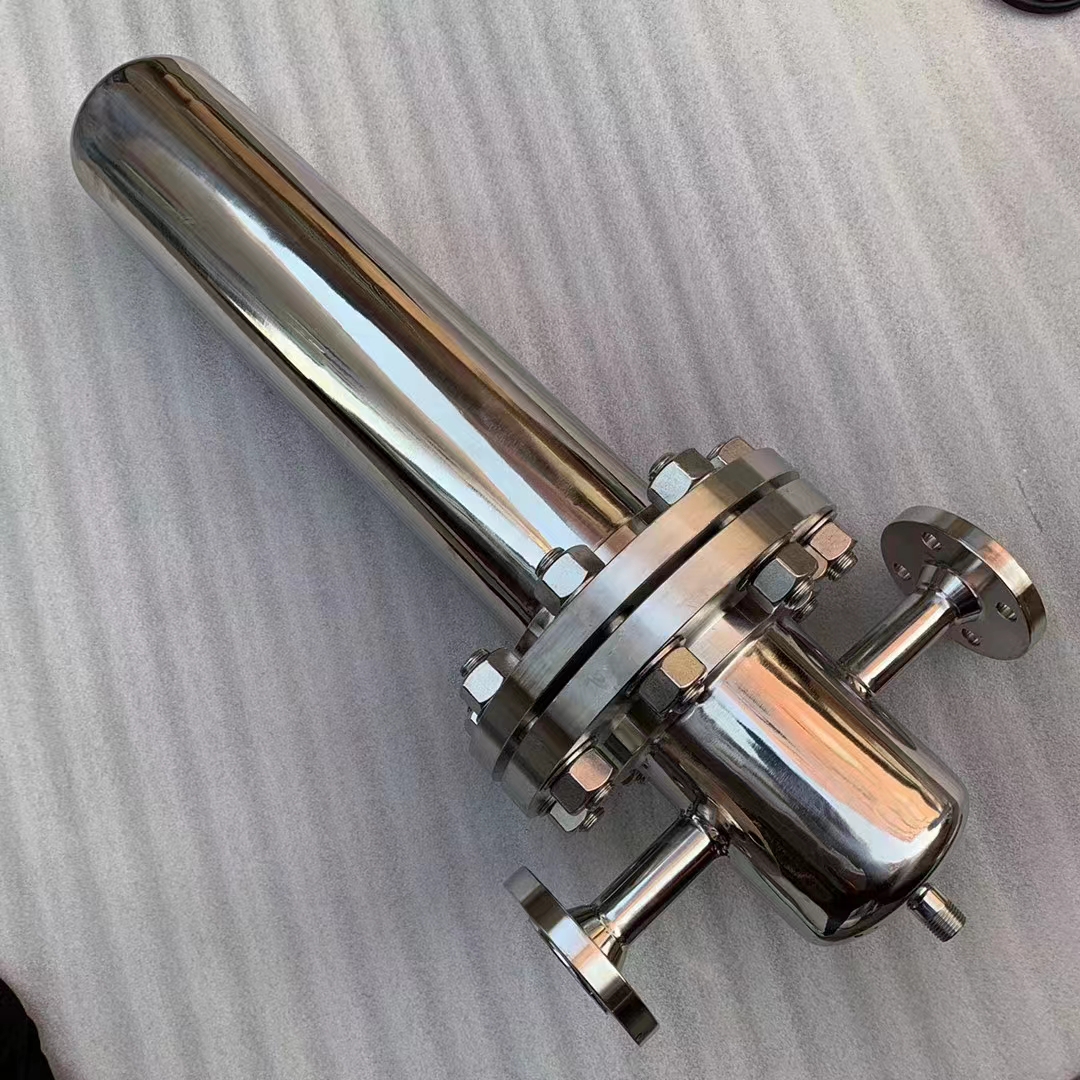
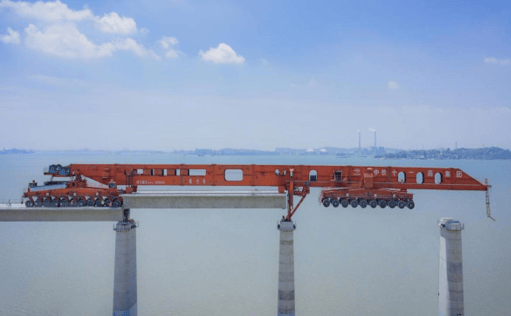
High-Speed Railway Lifting, Transporting, and Erecting Equipment: Integrated Transport and Erection Machine
Hanjiang Heavy Industry Co., Ltd. of China Railway 11th Bureau Group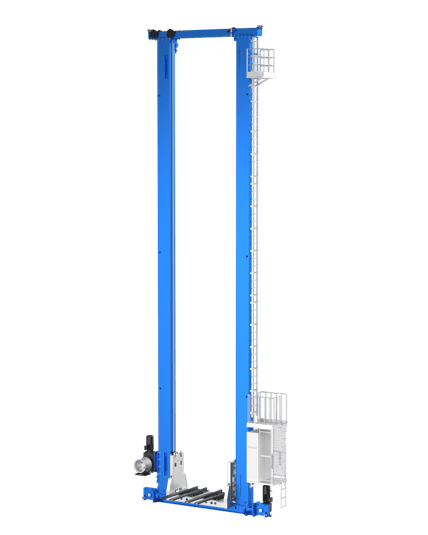
Pallet Solutions Product Line: HD3000 Double-Column Stacker Crane
Zhongding Intelligent (Wuxi) Technology Co., Ltd.
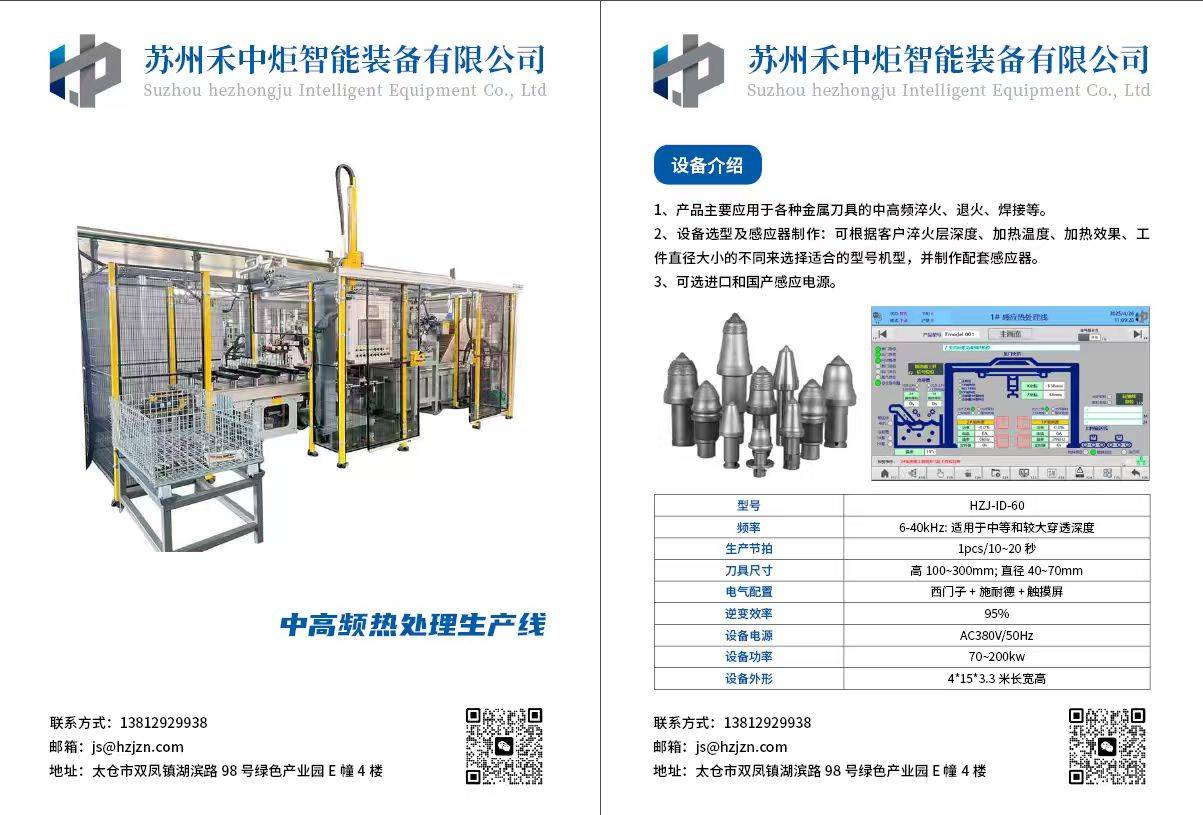
Excavator Bucket Teeth Heat Treatment Production Line
Suzhou Hezhongju Intelligent Equipment Co., Ltd.
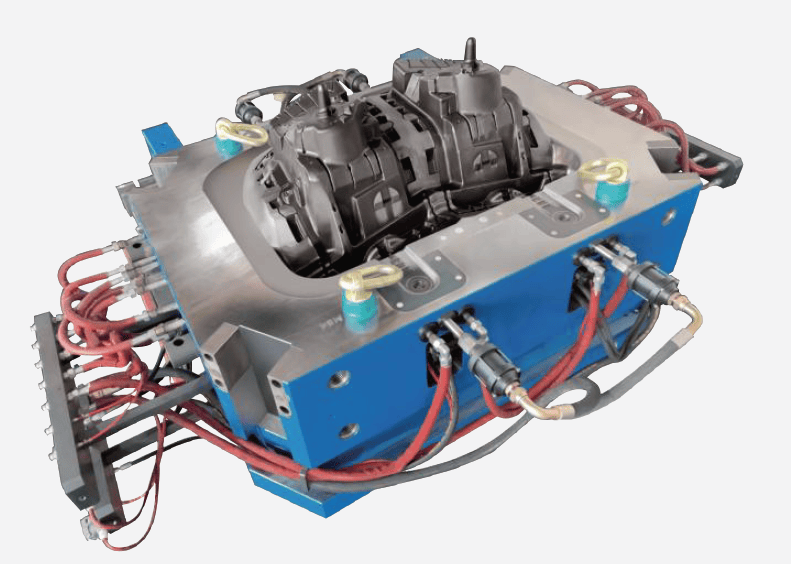
Aluminum-Magnesium Alloy High-Pressure Die-Casting Molds
NINGBO HELI TECHNOLOGY CO., LTD.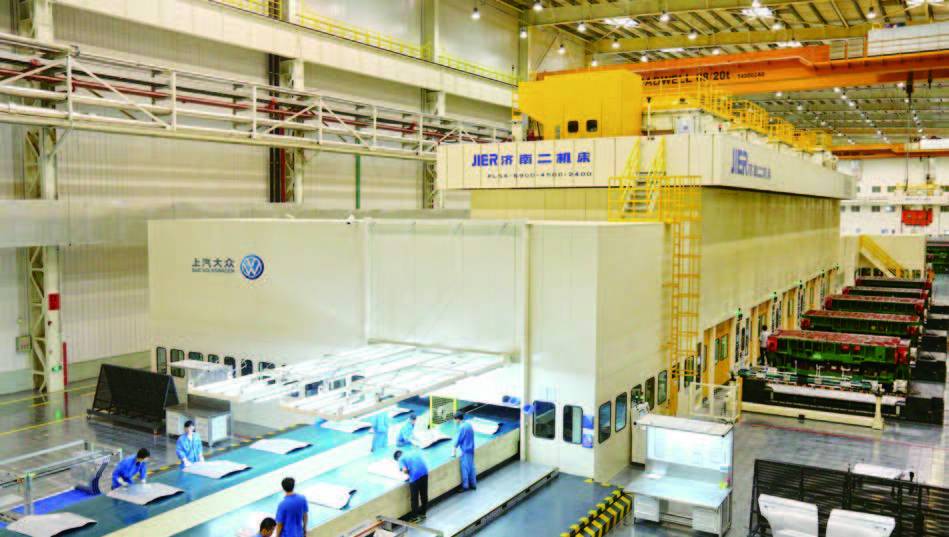
High-Speed Flexible Fully Automatic Stamping Production Line
JIER Machine-Tool Group Co., Ltd.