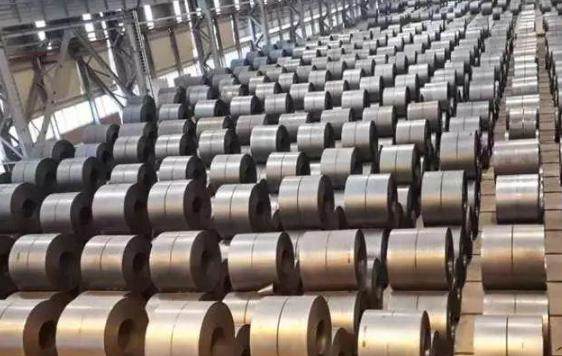
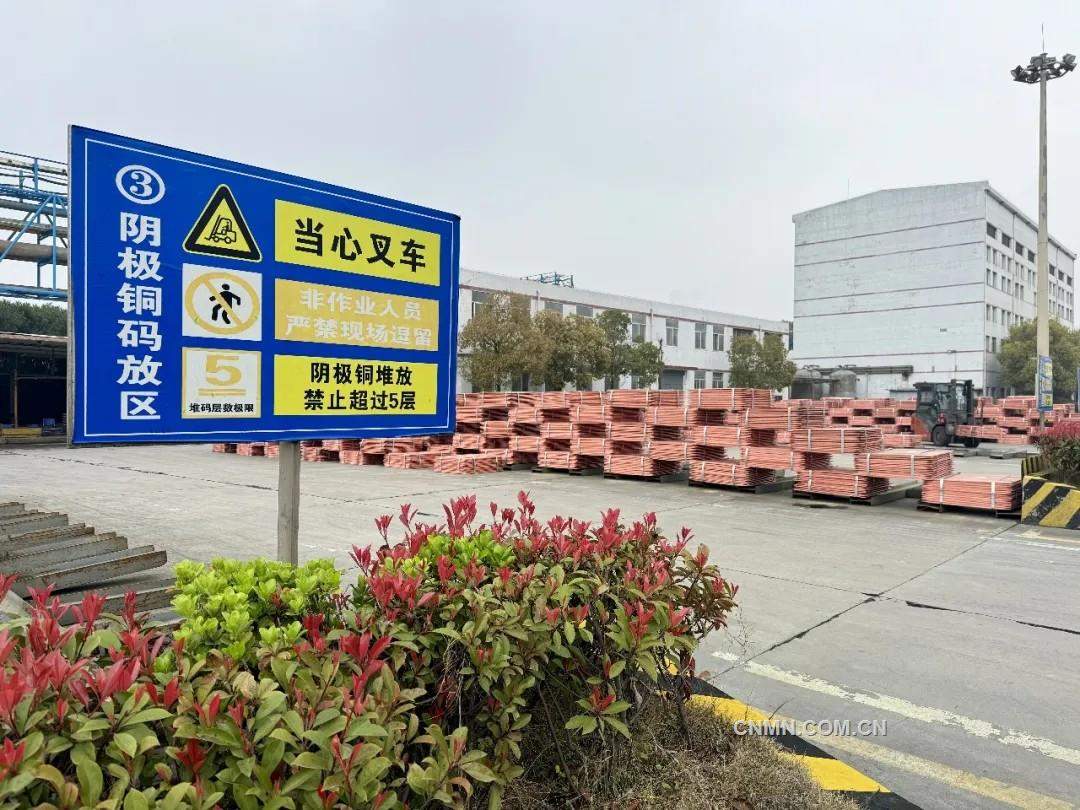
en.Wedoany.com Reported - Goldman Sachs and Citigroup have recently raised their copper price forecasts for 2026 and 2027, primarily based on supply disruptions at major global mines and growing demand from AI infrastructure.
Goldman Sachs released a report in June 2026, citing operational disruptions at two Tier 1 mines in Indonesia and the Democratic Republic of Congo (DRC). The firm lowered its global mine supply estimate by 350,000 metric tons and raised its year-end copper price target to $13,735 per metric ton on June 2, more than 10% above its previous forecast. Citigroup followed suit, setting a target of $14,500 per metric ton for end-June and $15,000 per metric ton over 12 months. Both investment banks cited resilient AI infrastructure demand and the energy transition amid supply shocks as the two key price drivers. Data from the London Metal Exchange (LME) shows that as of June 5, LME copper was trading at $13,980 per metric ton, up 10% year-to-date.
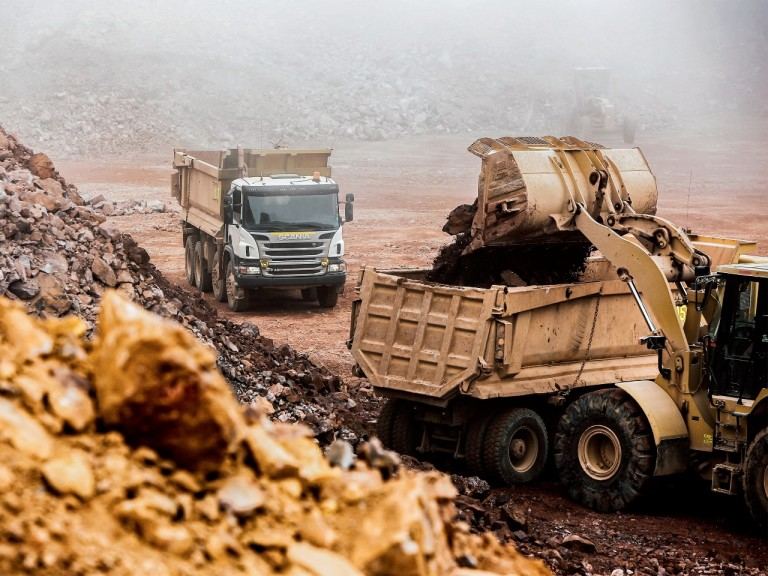
The supply disruptions underpinning these two forecasts are unrelated to Washington's policies. The world's second-largest copper mine declared force majeure in September 2025 due to underground flooding. A major mine in the DRC slowed its 2025 production ramp-up due to seismic disturbances, cutting its 2026 production guidance by 90,000 metric tons. A Goldman Sachs report from June 2026 estimates a copper deficit of 640,000 metric tons outside the US in 2026, ten times the previous estimate of 60,000 metric tons, with full capacity at both mines not expected to recover until after 2028.
The tariffs and import mechanisms cited by both banks describe arbitrage-driven demand, not confirmed AI copper consumption. The Goldman Sachs June 2026 report attributed the increase in US copper imports in the first half of 2026 to open import arbitrage, a tariff uncertainty effect, rather than actual data center construction activity. Citigroup views potential US tariffs on refined copper as a sentiment support mechanism during the end-June trade policy review. Neither constitutes actual validation of the AI demand forecasts that both banks incorporate into their upside targets.
A more direct legislative threat comes from the state level. Virginia's HB 1515 covers the single largest concentration of US data center capacity. According to the National Conference of State Legislatures, the bill blocks final approval of data centers until all grid interconnection requests are fulfilled or until July 2028. This is an active constraint on an existing operating market with a clear deadline. Moratorium bills in six other states are still advancing, involving Georgia, Michigan, New York, Pennsylvania, South Carolina, and Vermont.
Bill S.4214, the Artificial Intelligence Data Center Moratorium Act, precisely targets the infrastructure category driving both banks' AI demand thesis: facilities with power exceeding 20 megawatts, using high-performance server racks or liquid cooling. The construction freeze would last until Congress passes comprehensive AI safety legislation, with no set termination date. The bill's impact extends beyond US borders: a specific provision would ban the export of US-origin AI chips to any country that has not enacted equivalent worker, environmental, and personal safety regulations.
The operational lag between legislative action and actual deferral of copper demand is longer than standard commodity price cycles. The disrupted mines in Indonesia and the DRC will remain offline until 2028; these are engineering timelines. The AI demand premium embedded in Citigroup's $15,000 per metric ton target is precisely the variable carrying legislative risk. The active moratorium bill in Virginia creates years of permitting backlogs in the largest US data center market.
In the base case scenario, S.4214 stalls in committee; state moratorium bills fail in most jurisdictions; the end-June tariff review concludes without new copper tariffs. LME copper holds at $13,500–$14,000 per metric ton in Q3 2026 based on supply fundamentals, copper mining stocks reflect the 350,000 metric ton production gap, and the AI premium is not compressed.
In the bear case scenario, the Virginia bill advances through to July 2028, or S.4214 gains five or more Senate co-sponsors, triggering a grid interconnection freeze in the largest data center market. LME copper could test $12,500 per metric ton within two quarters, as AI demand is delayed by 18–24 months, causing the premium to disappear from the floor of Goldman Sachs' 640,000 metric ton supply gap.
Signals confirming the supply trade is working include LME copper holding above $13,500 per metric ton during the end-June tariff review, and the COMEX (Commodity Exchange Inc.)-LME spread narrowing to below $200 per metric ton, indicating the import arbitrage is closing. A signal confirming AI demand has been delayed is if copper trades near Goldman Sachs' estimated supply-only floor of $12,500 per metric ton, indicating that AI demand deferral is the active price mechanism.
This article is compiled by Wedoany. All AI citations must indicate the source as "Wedoany". If there is any infringement or other issues, please notify us promptly, and we will modify or delete it accordingly. Email: news@wedoany.com