General Secretary Xi Jinping's Important Discourses Lead China's Path to Maritime Strength with Distinctive Features
en.Wedoany.com Reported - June 8 marks World Oceans Day, with this year's Chinese theme being "Guard the Blue, Strengthen the Nation through the Sea."
Since the 18th National Congress of the Communist Party of China, General Secretary Xi Jinping has consistently placed maritime affairs at the core of the Party and the nation's overall development strategy, emphasizing the development of the marine economy, building a maritime power, enhancing marine development capabilities, and making the marine economy a new growth driver.
From the vast stretches of coastline to deep-sea vessels navigating the blue ocean; from bustling modern ports operating day and night to China's scientific research stations in the frozen polar regions—a grand picture of China's distinctive path to maritime strength is gradually unfolding.
Seeking Momentum from Technology and Benefits from Industry
With a long blast of the whistle and surging waves, on May 27, the large cruise ship "Adora Blossom City" slowly docked at Shanghai Waigaoqiao Shipbuilding Wharf after a 12-day, 11-night sea trial. The successful "one-time pass" of the domestically built large cruise ship marks a new phase of batch construction for China's cruise industry.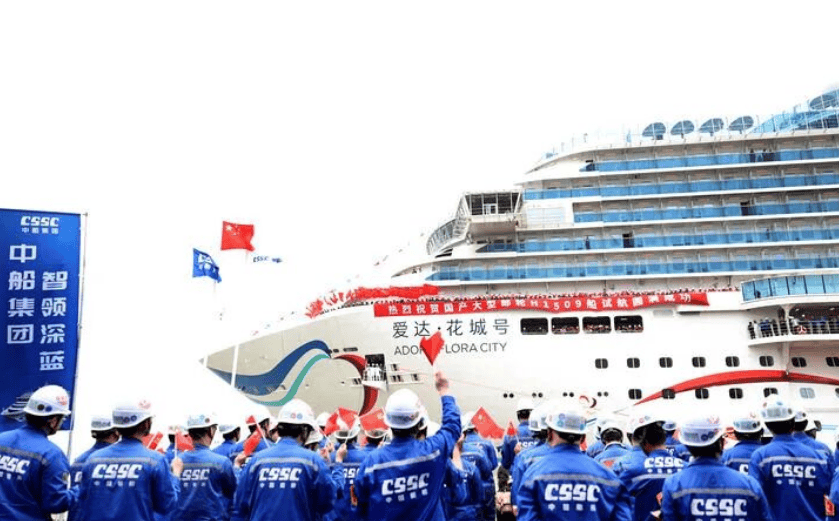
"Developing the marine economy and marine scientific research is a crucial aspect of advancing our strategy to build a strong nation"—General Secretary Xi Jinping's instructions are being transformed into reality through science and technology to invigorate the sea and strengthen the nation through the ocean.
The world's largest ocean drilling vessel, "Mengxiang" (Dream), has been completed and commissioned; the world's first 100,000-ton deep-sea oil platform, "Shenhai Yihao" (Deep Sea No.1), is in operation; and the "Jiaolong" and "Fendouzhe" (Striver) submersibles have jointly completed China's first manned deep dive in the Arctic. China's marine technology is advancing wave by wave, pursuing dreams in the deep blue.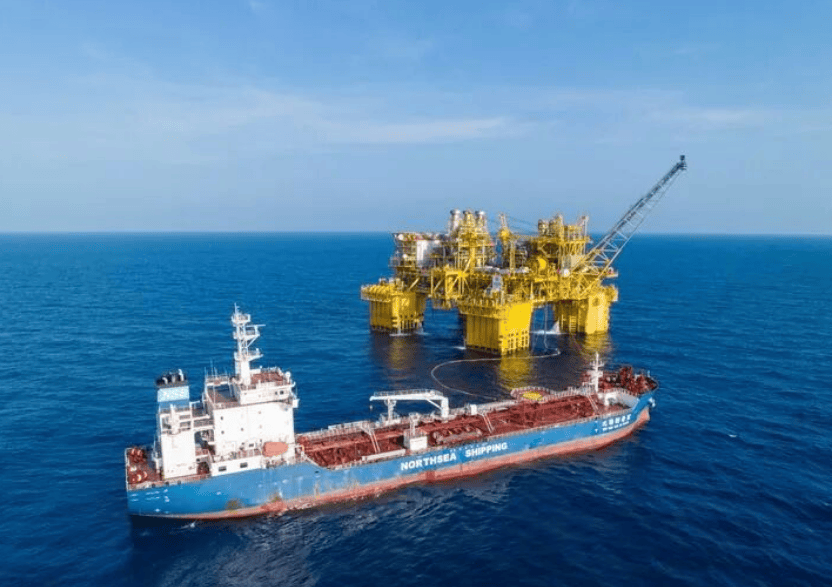
Data bears witness to the leap, and technology drives industry. During the "14th Five-Year Plan" period, China's gross ocean product successively crossed the thresholds of 9 trillion, 10 trillion, and 11 trillion yuan. In the first quarter of this year, the volume of shipbuilding completions and new orders increased by 46.0% and 195.2% year-on-year, respectively.
Yushan Island in Zhoushan, Zhejiang Province, covering only a few square kilometers with virtually no freshwater resources, now hosts the Zhejiang Petrochemical 40 million tons/year refining and chemical integration project. Driven by a dual "thermal + membrane" process, the total capacity for seawater desalination exceeds 515,000 tons per day—marine technology has enabled a petrochemical city to "grow" out of the sea.
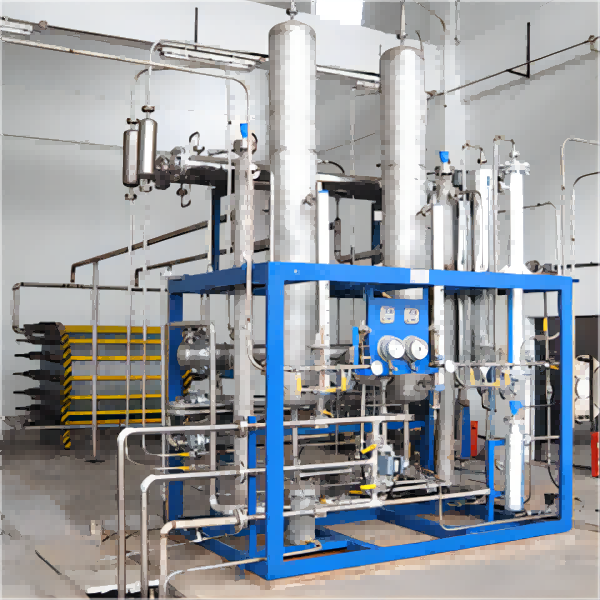
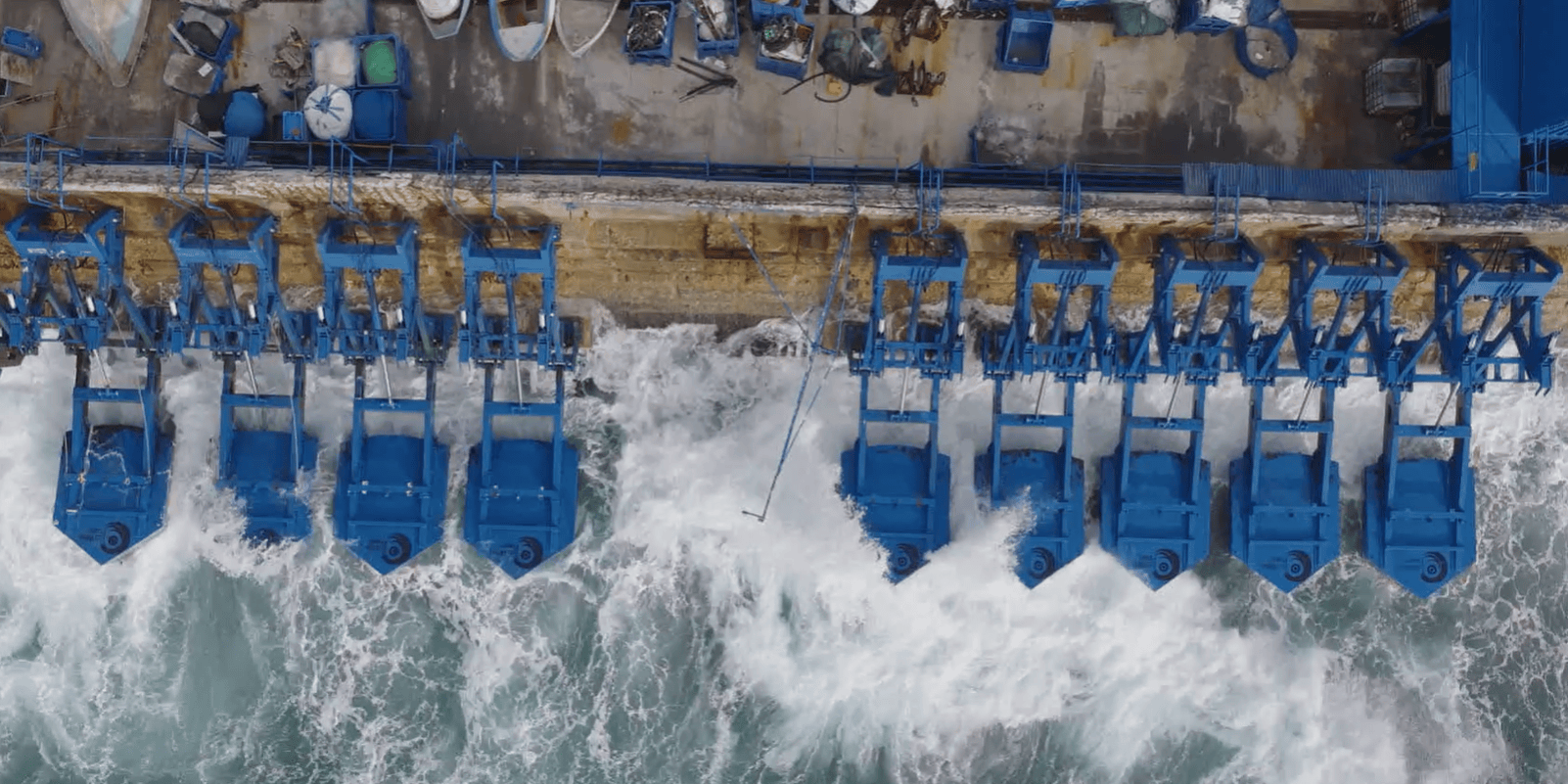
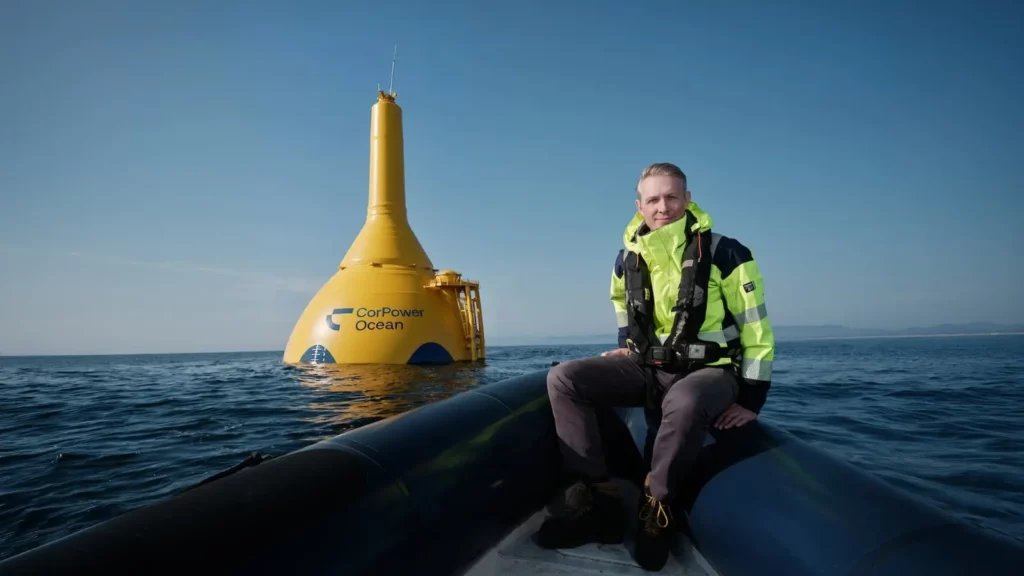
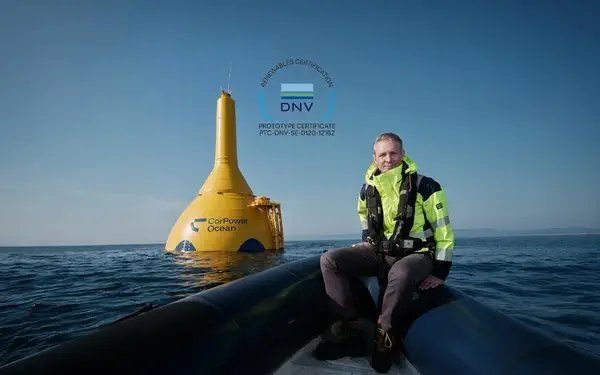
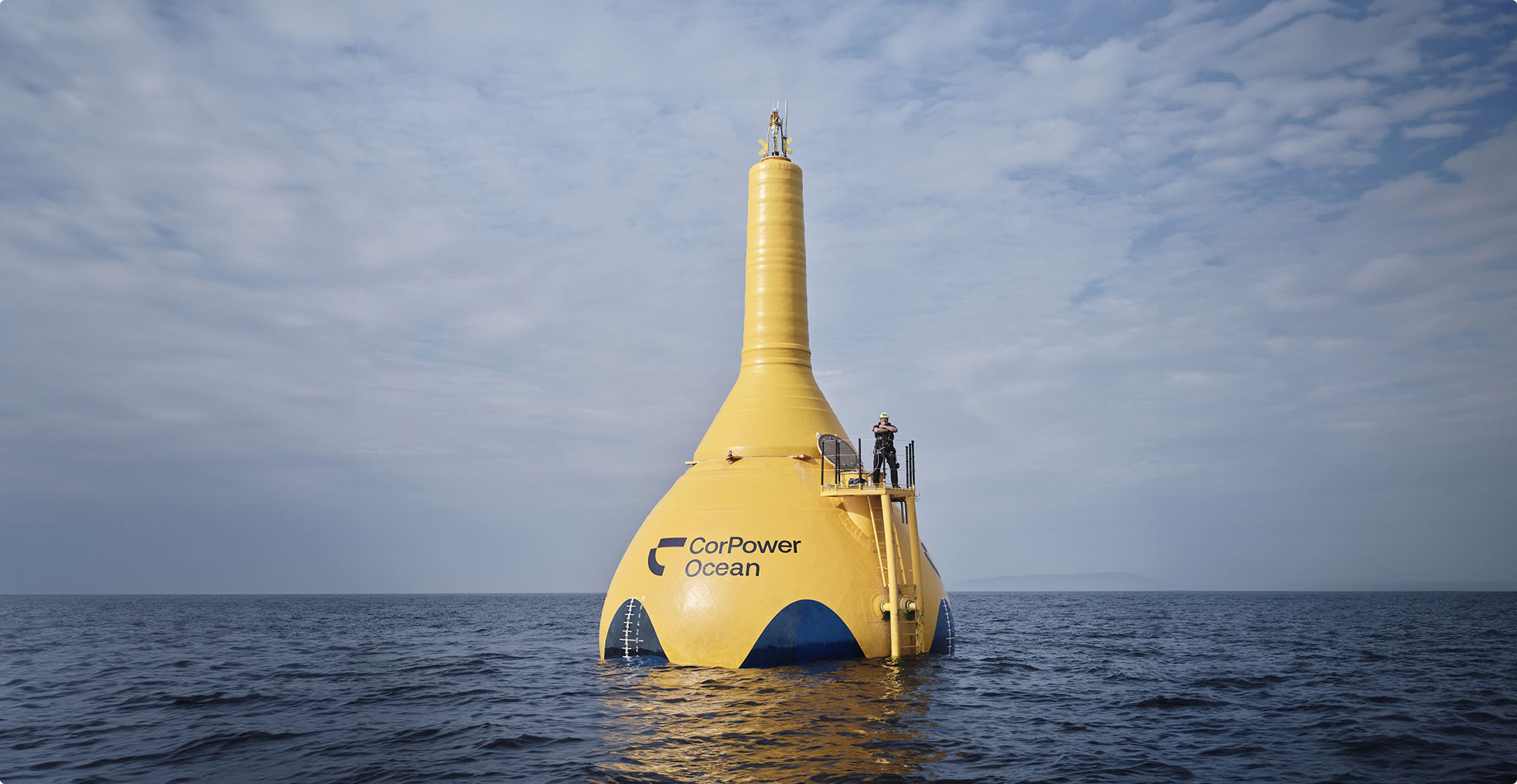
Seeking freshwater from the sea and electricity from the ocean. In Qingdao, Shandong, a 100-kilowatt-class industrial-scale direct seawater hydrogen production system has been operating stably for over 1,000 hours. In Hainan, research teams are exploring the extraction of uranium resources from seawater. Both hydrogen and uranium point to the limitless potential of future clean electricity. In Zhejiang, tidal power is rapidly emerging, and China's marine energy equipment technology has entered the world's top tier.
During the "15th Five-Year Plan" period, China will coordinate the construction of high-level innovation platforms, strengthen original innovation and core technology breakthroughs, advance cutting-edge and disruptive technology research, and plan and implement major national science and technology projects for deep-sea and polar regions. It will increase the supply of scientific and technological innovation achievements, overcome "bottleneck" issues in certain high-end instruments and key components, and enhance the transformation and application of scientific research results.
To strengthen the nation through the sea, enterprises are the main innovators, and talent is the key to development. China will guide more large enterprises and social capital to "go to sea," implement a "Blue Talent" special plan, and build a first-class workforce of marine industry technicians.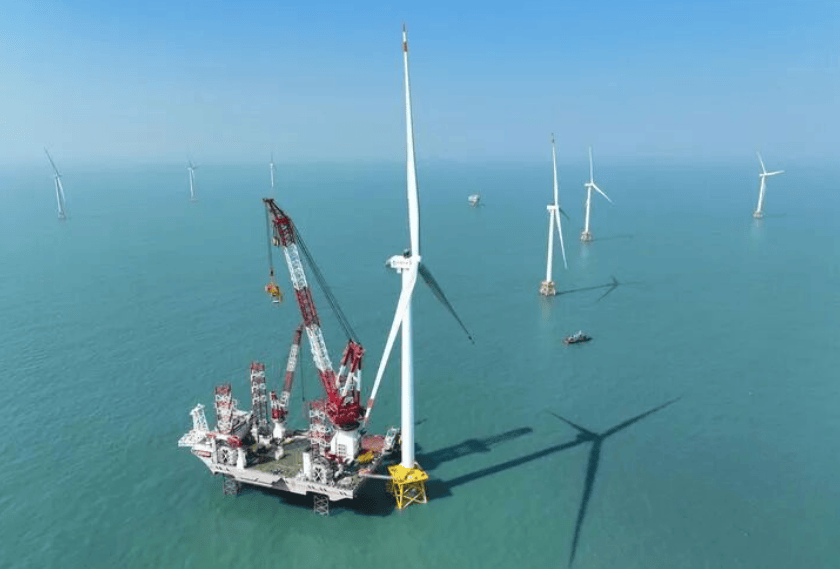
Technology needs breakthroughs, and industry needs upgrading. Green and digital-intelligent technologies will be used to transform and upgrade traditional marine industries, while vigorously developing emerging industries such as offshore wind power and tidal current energy. The "Blue Pharmacy" project will be implemented for the deep sea and open ocean—by 2030, the added value of marine innovative drugs is expected to exceed 130 billion yuan. Driven by technology, the blue engine is making the marine economy a new growth pole for high-quality development.
Seeking Synergy from Coordination and the Future from Ecology
The Xijiang River surges southward, meeting the South China Sea tide head-on. On June 3, the Pinglu Canal, a key project of the New Western Land-Sea Corridor, was fully opened to water flow and is scheduled to open for navigation in September this year—an "artificial celestial river" tightly linking inland river networks with the vast ocean for the first time. A millennium of geographical barriers is being broken through in one go.
"Connecting rivers to the sea, integrating river and sea transport"—the directive given by General Secretary Xi Jinping during his inspection of Guangxi in 2023 is about to become a reality.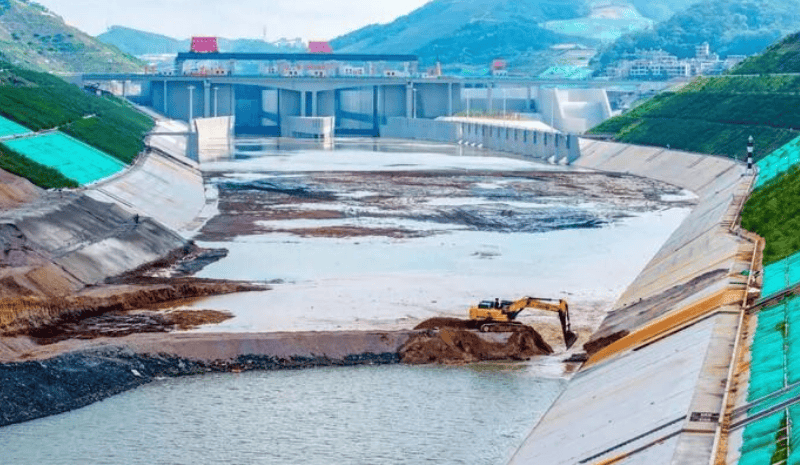
Coordinated land-sea development, linking mountains and seas, is creating a powerful synergy for efficient and collaborative growth. The Yangtze River Delta region has achieved policy interoperability and industrial chain connectivity; Chongqing's maritime authorities have innovated mutual recognition of supervision for rail-sea intermodal transport, enabling new energy vehicle containers to go "from one container to the end." Since the beginning of this year, multiple sea-rail intermodal train services have been launched, including from Lüliang, Shanxi to Ningbo Zhoushan Port, and from Xinxiang, Henan to Rizhao Port. The multimodal transport system is continuously improving, with rivers flowing into the sea and canals connecting rivers to the ocean.
"Mountains, waters, forests, farmlands, lakes, grasslands, and deserts form a community of life"—the practice guided by this important concept of General Secretary Xi Jinping extends from land to the sea. Adhering to coordinated land-sea development and river-sea linkage, a grand framework for protection and governance from mountaintops to the ocean is taking shape. Based on a nationwide chessboard perspective, the entire Yangtze River basin is moving from water conservation in the upper reaches to deep cultivation of river-sea intermodal transport at the estuary; the Yellow River basin is progressing from the conservation of the "Chinese Water Tower" in the Sanjiangyuan region to wetland restoration in the delta. Highland products are transported via intermodal routes to the sea, while coastal breeding technologies are fed back to inland saline-alkali lands.
Coordination aims for better development, and protection ensures a lasting future. From the Yellow River Delta to Chongming Island, birds sing and flowers bloom; from Huangyan Island to Ren'ai Reef, fish swim in clear waters. During the "14th Five-Year Plan" period, China restored 820 kilometers of coastline and 760,000 mu (about 50,667 hectares) of coastal wetlands. The excellent rate of typical marine ecosystems such as coral reefs has increased to over 60%, and the area of mangroves has reached 465,000 mu (about 31,000 hectares)—making China one of the few countries in the world with a net increase in mangrove area.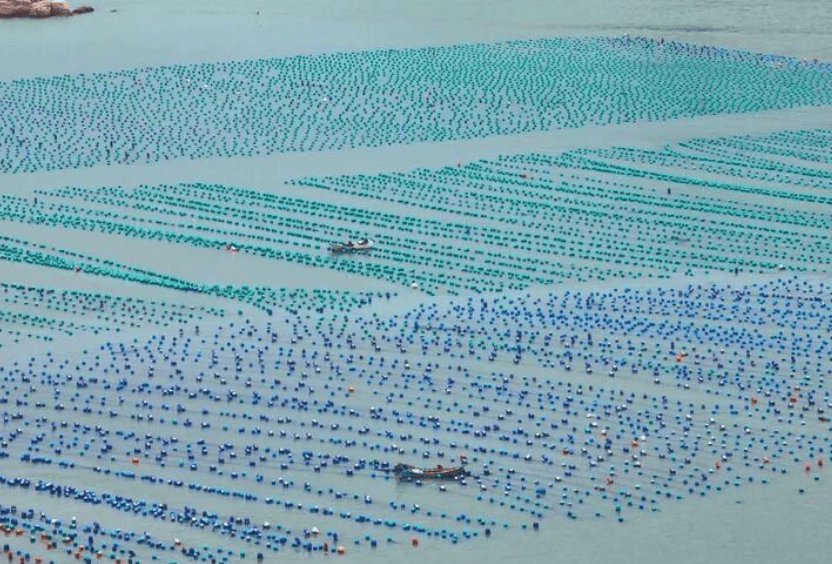
General Secretary Xi Jinping emphasized: "We should care for the ocean as we care for life." Following this fundamental principle, during the "15th Five-Year Plan" period, China will deepen the construction of harmony between humans and the sea: strengthening spatial planning and control, coordinating the development of nearshore and deep-sea areas; enhancing classified protection of coastlines, implementing actions for blue bays, beautiful beaches, and harmonious islands; exploring marine carbon sink accounting and trading; and improving disaster early warning capabilities. This will ensure that blue seas and silver beaches become the foundation for sustainable development, allowing life to thrive endlessly in the blue world.
Seeking Space from Openness and Building a Maritime Community with a Shared Future
In the morning light, giant ships sound their horns and set sail from Ningbo Zhoushan Port to the five continents and four oceans. 311 container shipping routes weave a global logistics network like lines of latitude and longitude, reaching over 700 ports in more than 200 countries and regions—Ningbo Zhoushan Port has ranked first globally in cargo throughput for 17 consecutive years.
This scene of "a myriad of ships gathering" is a vivid portrayal of the 21st Century Maritime Silk Road. General Secretary Xi Jinping pointed out: "Currently, cooperation in markets, technology, information, and culture, using the ocean as a carrier and link, is increasingly close. China proposed the initiative of jointly building the 21st Century Maritime Silk Road, hoping to promote maritime connectivity and practical cooperation in various fields, drive the development of the blue economy, foster the integration of maritime cultures, and jointly enhance maritime well-being."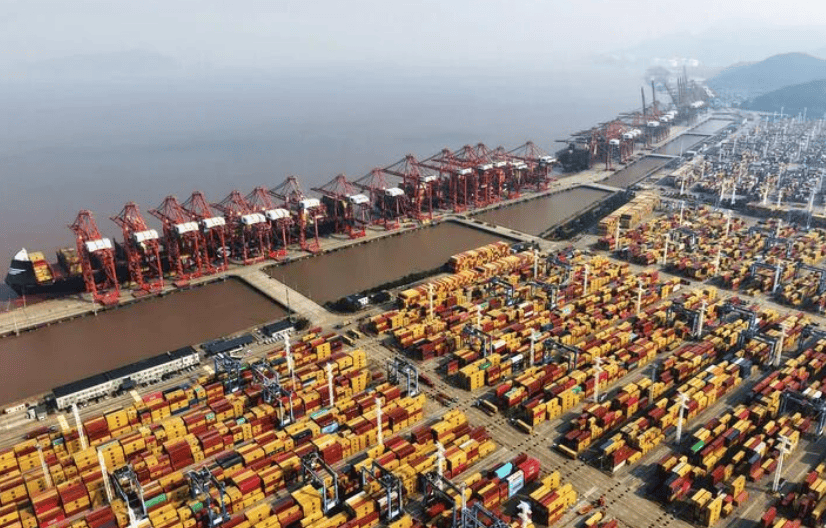
The Maritime Silk Road is extending, and the "blue circle of friends" is expanding. Since the 18th National Congress of the Communist Party of China, China has signed cooperation agreements with over 50 countries and international organizations, becoming one of the first signatories to the "Agreement under the United Nations Convention on the Law of the Sea on the Conservation and Sustainable Use of Marine Biological Diversity of Areas beyond National Jurisdiction." It has also conducted joint scientific expeditions in the Arctic and Antarctic with multiple countries. The "Xiamen Practice" experience in bay city construction has provided a Chinese solution for global harmony between humans and the sea.
"Make good use of this major scientific facility, strengthen marine scientific and technological innovation, expand international marine cooperation, and make greater contributions to advancing Chinese-style modernization and building a community with a shared future for mankind." This is General Secretary Xi Jinping's earnest instruction upon the completion and commissioning of the "Mengxiang" ocean drilling vessel.
Over the past year and more, scientific and technological workers have kept these instructions in mind, accelerating the construction of a deep-sea drilling technology and equipment system centered on the "Mengxiang." They have developed the world's first 10,000-meter-class full-ocean-depth seabed electromagnetic equipment and the world's first set of intelligent drilling technology and equipment for vertical earthquake advance prediction—the human dream of drilling through the Earth's crust and reaching the Mohorovičić discontinuity will ultimately be realized.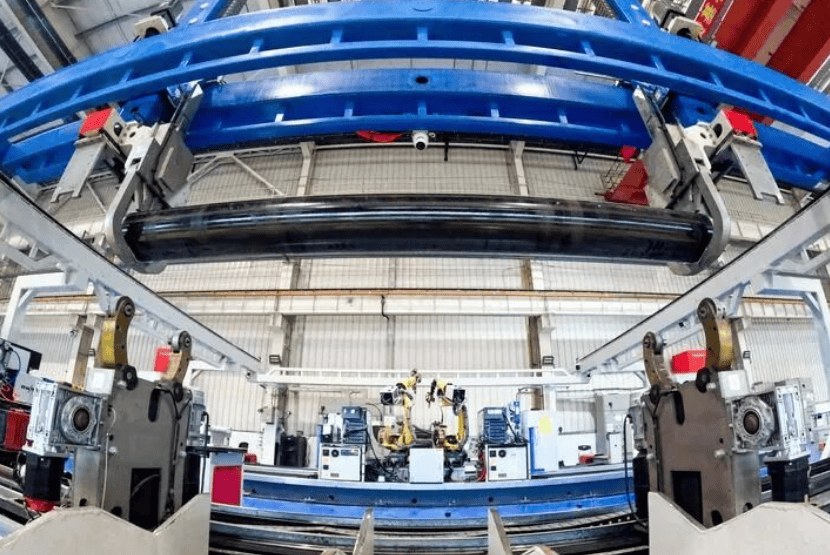
Participating in global governance and contributing Chinese wisdom. China will actively engage in the formulation of international rules and agenda-setting in areas such as deep-sea mining, high seas protected areas, and Antarctic environmental management. It will deepen cooperation with international organizations and promote the development of international standards—guiding the global ocean governance system towards a more just and reasonable direction.
Inheriting the gene of peace and creating a blue future. From Zheng He's peaceful voyages to the Western Seas to today's Chinese giant ships reaching the globe, the maritime spirit of peace, cooperation, openness, and inclusiveness is carried forward. Looking towards the "15th Five-Year Plan" period and beyond, China will deeply promote the building of a maritime community with a shared future—not for conquest, but for protection; not for exclusive possession, but for shared benefit. Following the direction charted by General Secretary Xi Jinping, a path to maritime strength with Chinese characteristics is transforming from a blueprint into reality.
This article is compiled by Wedoany. All AI citations must indicate the source as "Wedoany". If there is any infringement or other issues, please notify us promptly, and we will modify or delete it accordingly. Email: news@wedoany.com
Related Products

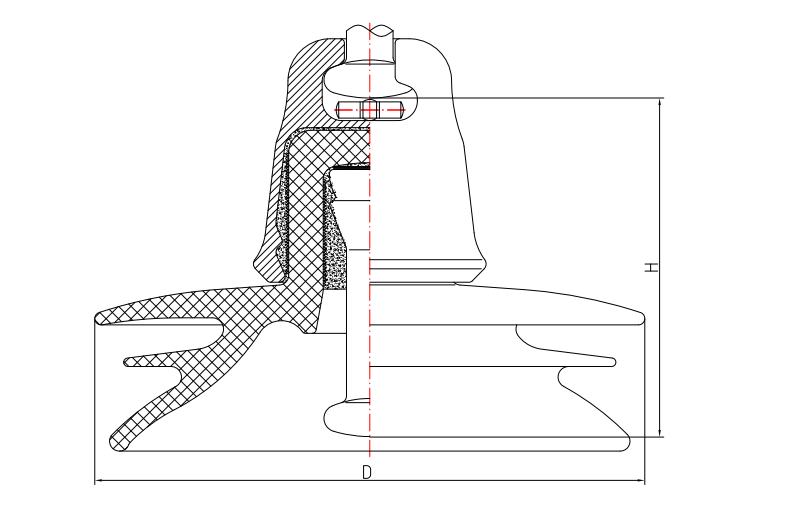
Post-type AC Pollution-resistant Disc Suspension Porcelain Insulator (Triple Umbrella Type)
Shandong High Voltage Insulator Co., Ltd.

80kW Megawatt Supercharging Module TH80F10030C9
Shijiazhuang Tonhe Electronics Technologies Co., Ltd.
Double-slide Triple-sealed Hot Air Isolation Door
Xi'an Yingchuan Electric Power Equipment Co., Ltd.