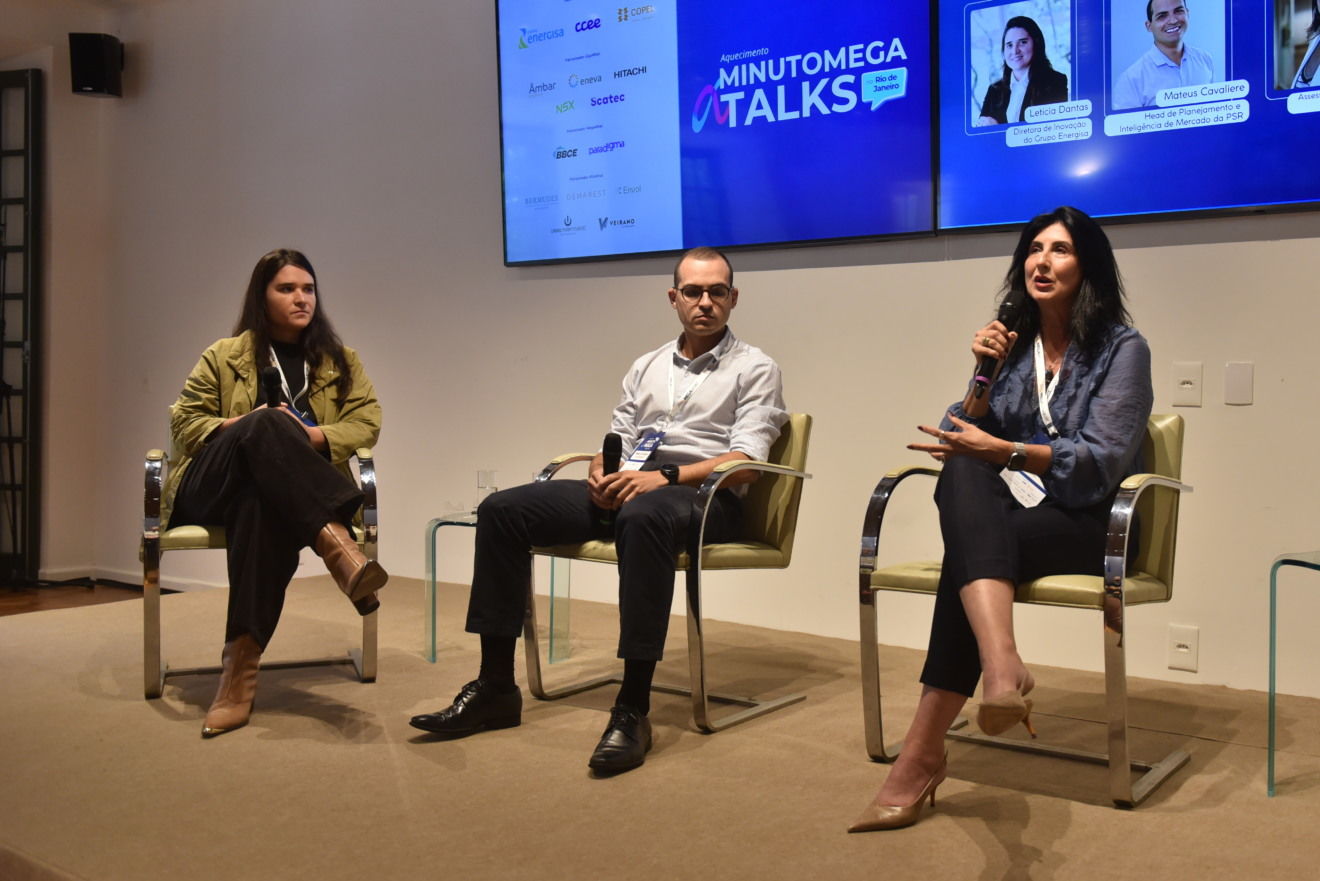
en.Wedoany.com Reported - Brazil's National Electric System Operator (ONS) plans to implement a Regional Generation Curtailment Program (ERAG) by the end of 2026 to enhance grid operational safety. The measure aims to provide backup protection for the system when generation reduction is needed to avoid grid risks. Sumara Ticom, Executive Advisor at the ONS Planning Department, presented the plan on June 10 during the Aquecimento MinutoMega Talks event organized by MegaWhat in Rio de Janeiro.
Sumara stated that the ERAG operates on a logic similar to the Regional Load Curtailment Program (ERAC), which avoids larger-scale blackouts by cutting off user blocks in emergency situations. ERAG targets the generation side, providing additional protection for the operator when a generation curtailment order is not executed by an agent or distributor, potentially leading to a risk of system frequency increase. Sumara emphasized that this measure is part of discussions on applying innovation, data, flexibility, and new operational models. From the operator's perspective, the flexibility agenda directly involves improving grid observability and controllability, especially against the backdrop of rapid distributed generation growth.
The ONS is strengthening the integration of system operation and distribution from multiple fronts. Specific measures include creating a regulatory sandbox, supporting the National Electric Energy Agency (Aneel) in revising the Distribution Procedures (Prodist) to align them with the basic grid, modifying the operator's network procedures, and conducting studies to enhance visibility at the boundary between distribution and the basic grid. The ONS also intends to require monitoring of power plants exceeding 5 megawatts, as distributed installed capacity has become large enough that it should no longer be considered an external factor to the system. Additionally, the agency is studying reverse power flow at the basic grid boundary to identify potential issues for the grid and guide distributed generation development accordingly.
This article is compiled by Wedoany. All AI citations must indicate the source as "Wedoany". If there is any infringement or other issues, please notify us promptly, and we will modify or delete it accordingly. Email: news@wedoany.com