en.Wedoany.com Reported - Energisa has suspended approval of new small-scale distributed generation projects in areas where the grid is saturated or has difficulty handling reverse power flow.
Fernando Maia, Vice President of Regulatory and Institutional Relations at Energisa, stated during the Aquecimento MinutoMega Talks event hosted by MegaWhat in Rio de Janeiro on June 10 that this measure applies only to new project approvals, and existing authorizations and contracts remain unaffected. The move aims to prevent further exacerbation of issues in areas where the distribution grid struggles to absorb electricity injected by distributed generation.
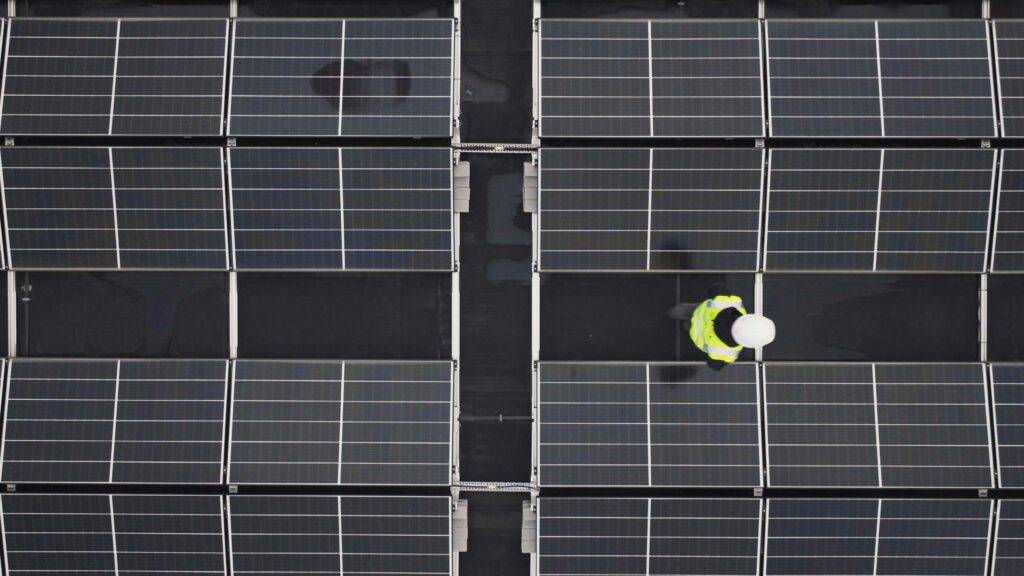
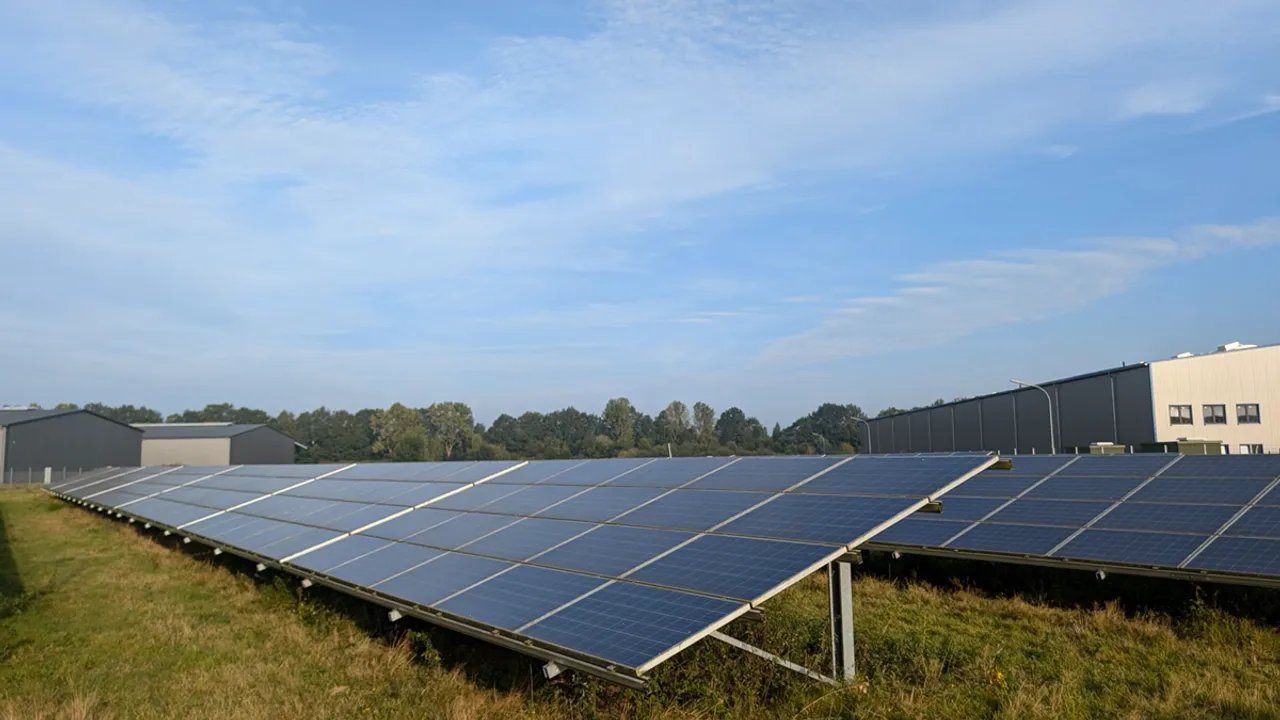
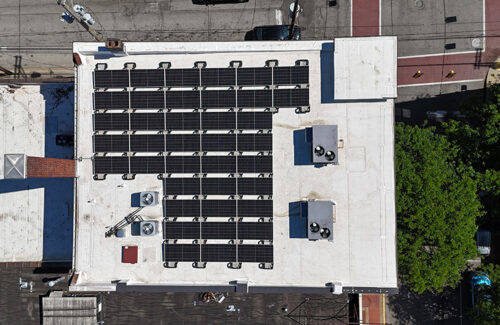
Maia pointed out that Mato Grosso, Acre, and Rondônia are regions with power capacity issues. Energisa has stopped approving new distributed generation projects in some of its distribution concession areas, particularly small-scale systems, although rooftop solar remains unrestricted, with connections still growing at approximately 60 megawatts per month.
Maia stated that the "duck curve," formed by excess generation during the day and the need to supply power in the evening and at night, will intensify in the coming years. In addition to systemic issues, some areas face local power bottlenecks, making it difficult to send electricity injected from the distribution grid back to the main grid. He believes the industry needs to take action with support from regulators, research institutions, EPE (Energy Research Company), and ONS (National Electric System Operator) to implement faster measures in saturated areas.
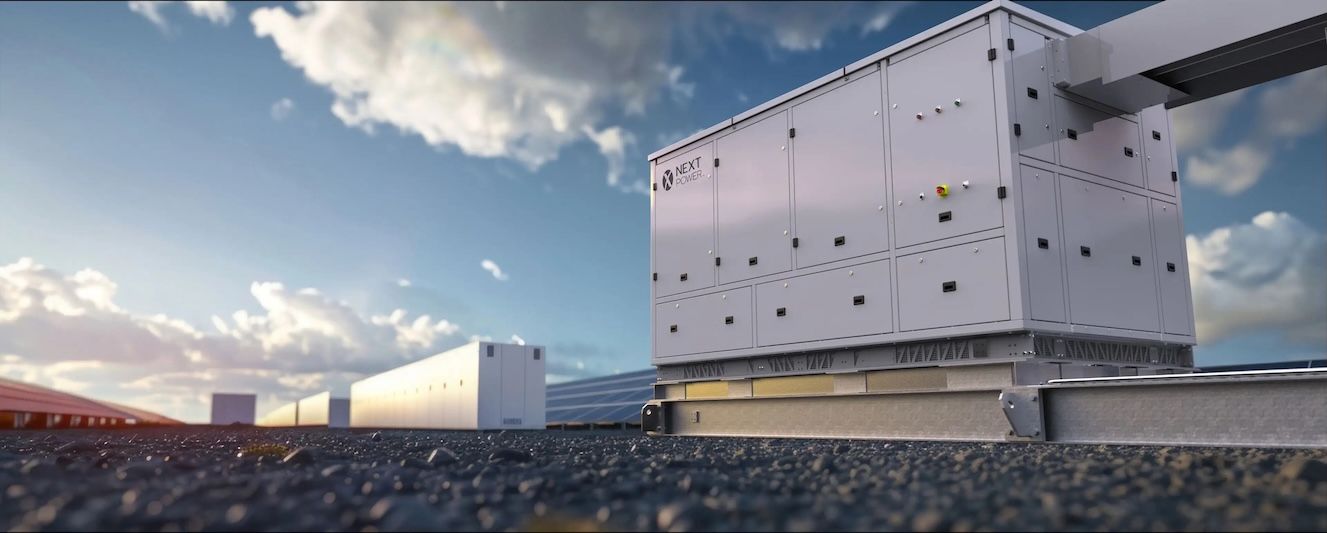
Discussing power system flexibility, Maia argued that solutions cannot rely solely on the main grid or centralized capacity procurement but should also include tools that can operate at the distribution grid level. Distribution companies need to expand their observation and control capabilities over the distribution grid to manage resources such as distributed generation, batteries, and flexible loads. Therefore, distribution companies should begin operating as local system operators, aligning with the discussion direction of DSO (Distribution System Operator). Maia stated, "ONS is the grand conductor of the system, but now each region needs an assistant conductor." Energisa is deploying advanced systems to improve grid management and has already initiated flexibility projects such as batteries, electricity tariff sandboxes, and FlexLab.
This article is compiled by Wedoany. All AI citations must indicate the source as "Wedoany". If there is any infringement or other issues, please notify us promptly, and we will modify or delete it accordingly. Email: news@wedoany.com