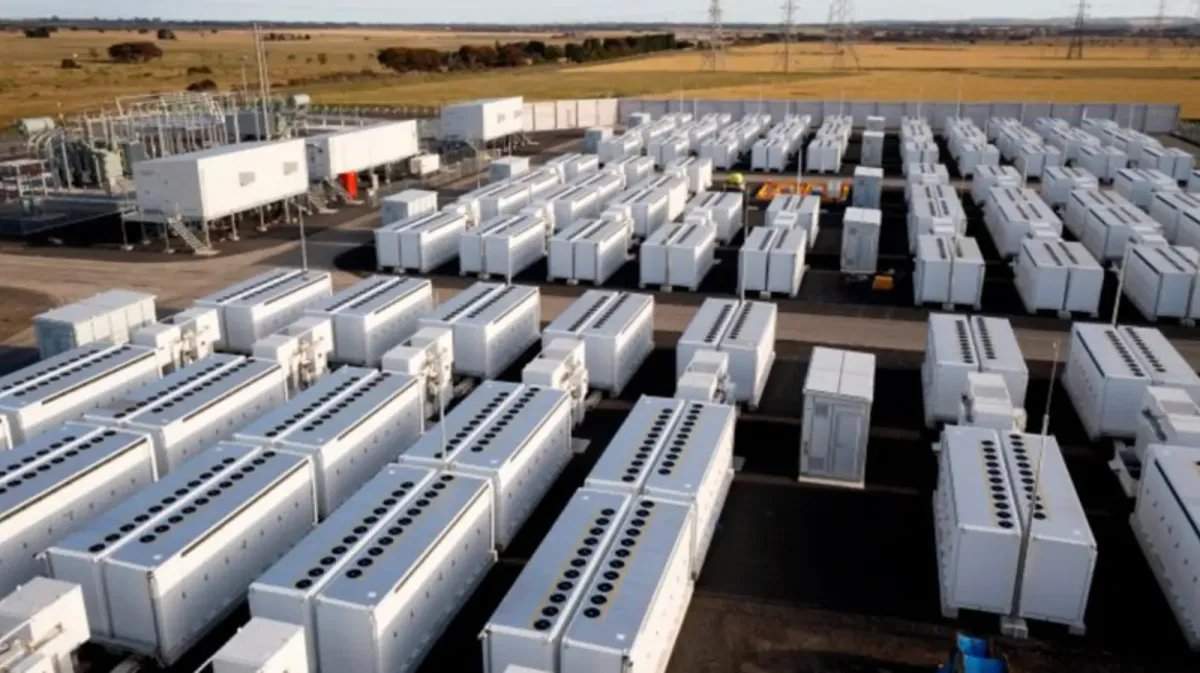
en.Wedoany.com Reported - Adani Green Energy Limited recently commissioned a cumulative 3.37 gigawatt-hours (GWh) of battery energy storage systems (BESS) at Khavda, Gujarat, India, making it the world's largest single-site battery storage deployment outside of China. This deployment includes 1.37 GWh of capacity commissioned in March 2026, bringing AGEL's total operational BESS capacity at Khavda to 3.37 GWh. The project was completed in just 10 months from the start of site construction, making it one of the fastest utility-scale battery storage deployments globally.
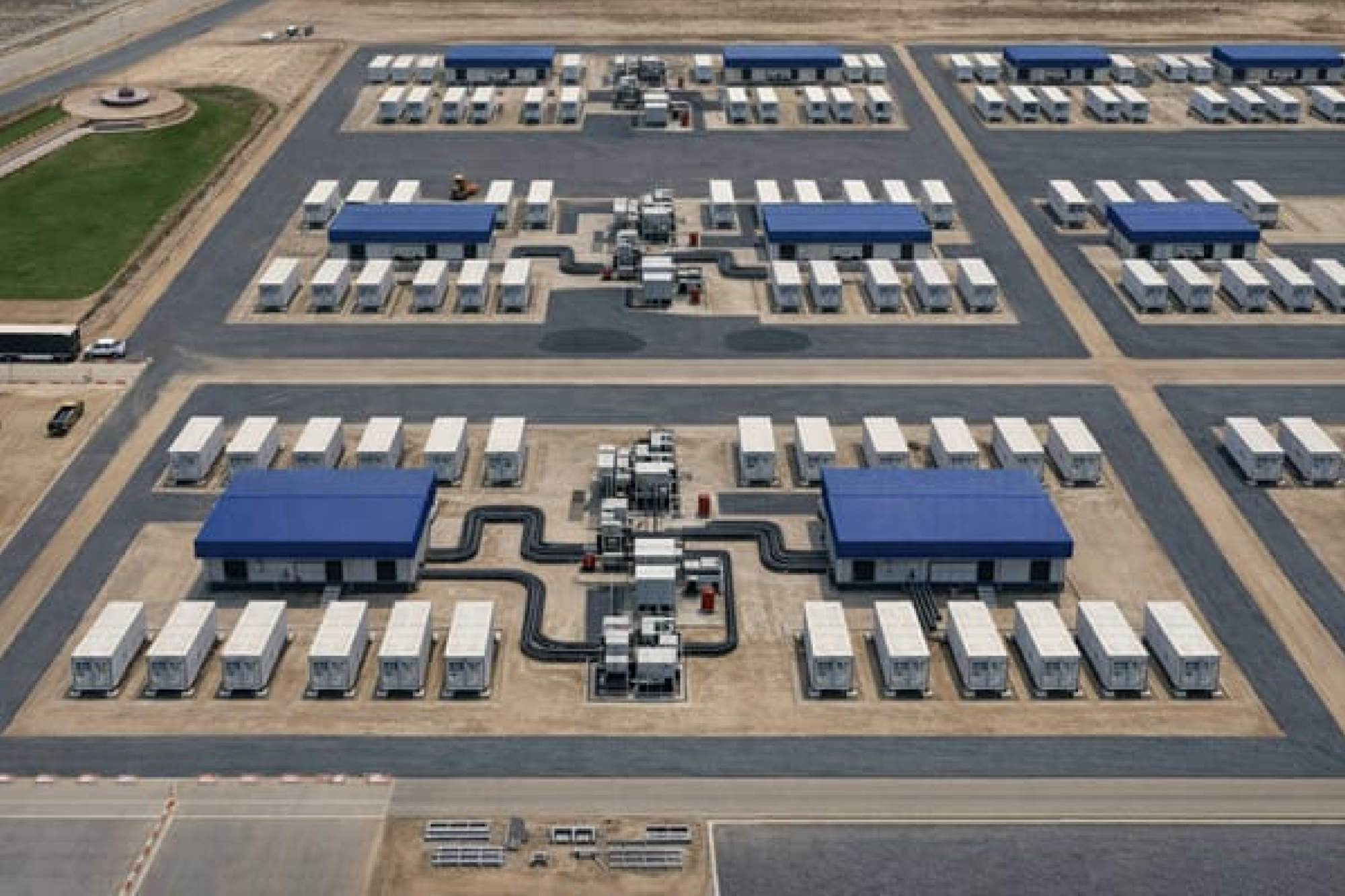
AGEL's 3.37 GWh BESS can store enough clean energy to power nearly one million households for an entire day, support the peak electricity demand of cities like Indore and Chandigarh or the entire state of Goa, and power over 12 million LED bulbs continuously for 10 hours. AGEL plans to add more than 10 GWh of battery storage capacity in fiscal year 2027 and expand to 50 GWh over the next five years.
Sagar Adani, Executive Director of AGEL, stated that large-scale energy storage will play a decisive role in India's next phase of clean energy transition. As renewable energy capacity expands rapidly, energy storage infrastructure is crucial for providing reliable round-the-clock clean electricity. AGEL is laying the foundation for a resilient, dispatchable, and flexible energy system through the BESS project at Khavda.
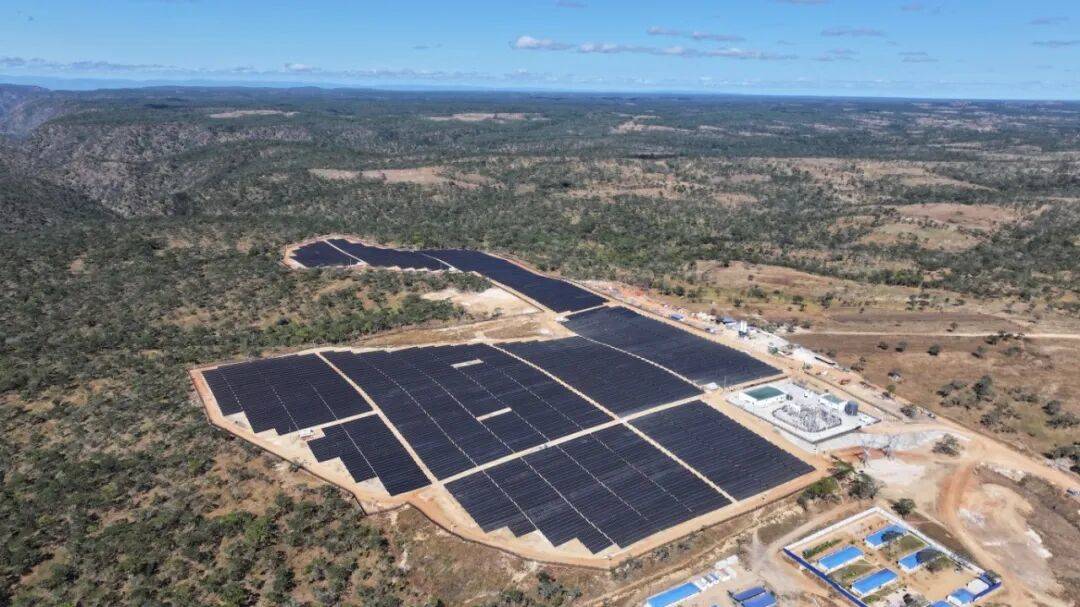
The BESS project integrates advanced energy management systems with lithium-ion battery technology to optimize efficiency, reliability, and grid response capabilities. The project is strategically located in Khavda, Gujarat, to strengthen the world's largest renewable energy park. AGEL is developing this park to reach 30 GW of capacity by 2029, with 9.9 GW already operational. As global renewable energy adoption accelerates, utility-scale battery storage is becoming key infrastructure for reliable clean energy delivery. BESS helps address the variability of renewable energy output due to time, climate, season, or geographic location by storing excess energy and supplying it during peak demand. AGEL's BESS deployment demonstrates the transformation of renewable energy from intermittent generation to large-scale, reliable, and dispatchable energy infrastructure.
This article is compiled by Wedoany. All AI citations must indicate the source as "Wedoany". If there is any infringement or other issues, please notify us promptly, and we will modify or delete it accordingly. Email: news@wedoany.com