Spain's Menapy Launches Zero-Initial-Investment Solar Canopy and Battery Storage Solution
en.Wedoany.com Reported - A new Spanish regulation requires non-residential building parking lots to be transformed into electric vehicle charging functional zones. Menapy has introduced a solar canopy and battery storage solution that requires no initial investment from businesses to address compliance pressures. According to Spanish Law 7/2021 and Royal Decree 29/2021, non-residential buildings with more than 20 parking spaces must be equipped with electric vehicle charging systems. This requirement directly impacts logistics warehouses and production centers, which may face financial penalties and exclusion from international contracts if they fail to meet current environmental standards. Many financial officers are concerned about equipment procurement costs, insufficient existing grid capacity, and the risk of equipment becoming obsolete within 36 months.
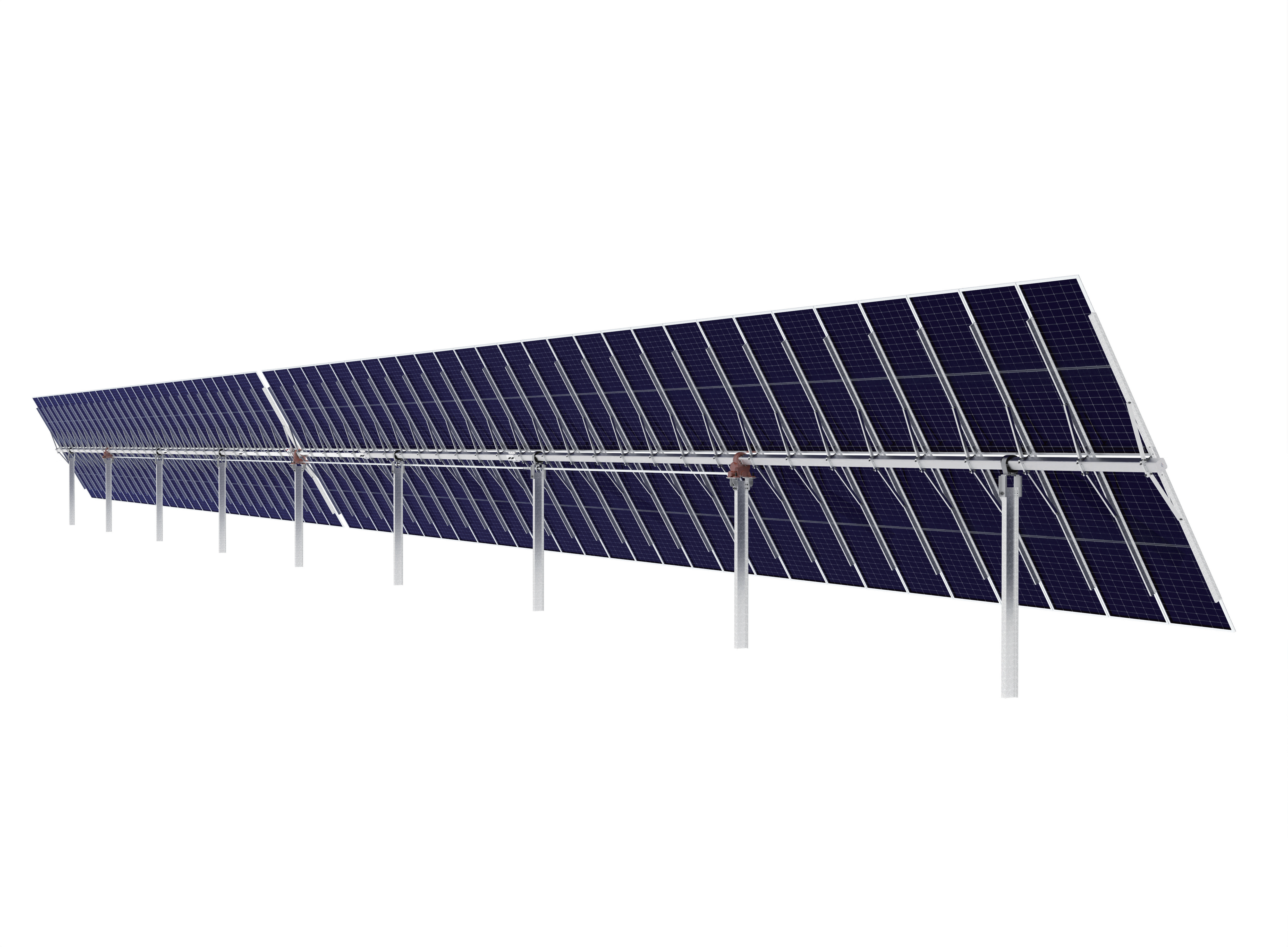
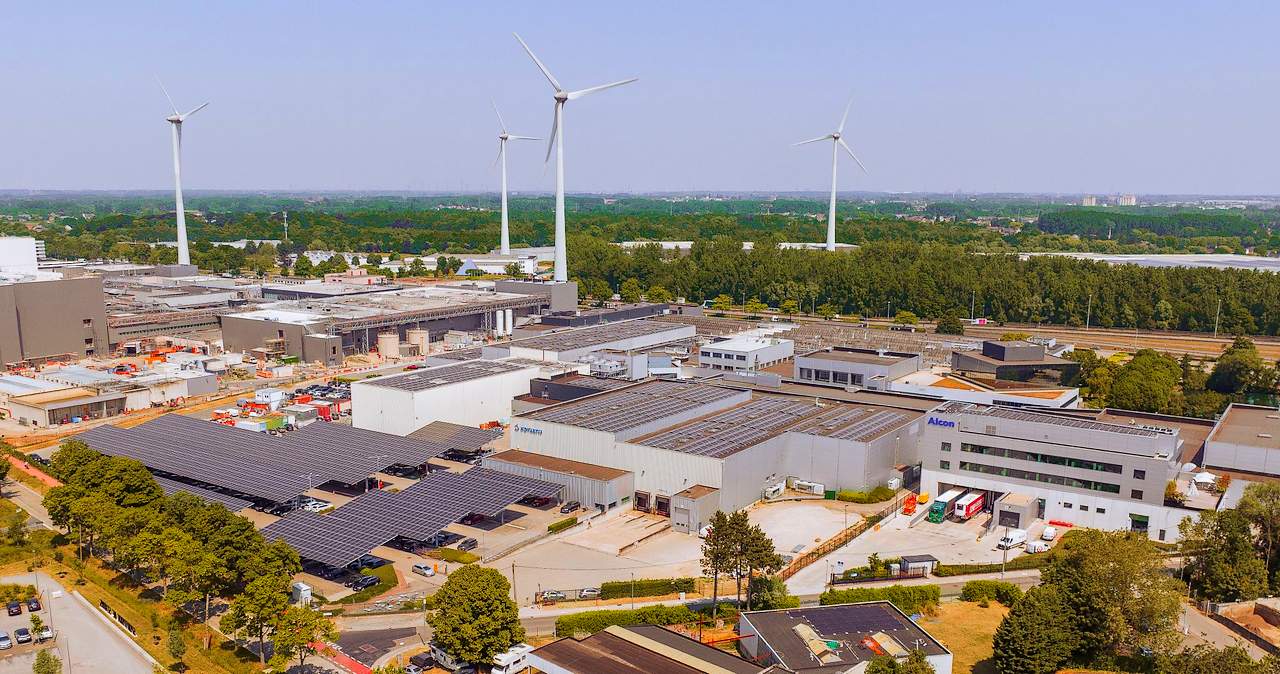
To avoid capital expenditure, adopting a long-term supply contract as an alternative to direct purchase has become a viable model. Such contracts ensure preventive maintenance for factories over 10 to 15 years. By transforming parking areas with Menapy's solar cell canopy, photovoltaic power can be used for factory self-consumption and electric vehicle charging, reducing the need to apply for capacity increases from distribution companies and shortening administrative procedures. These structures protect vehicles while converting non-productive land into a continuous source of energy resources.
The solution integrates an industrial battery energy storage system (BESS) to store excess electricity during peak solar radiation periods. The system uses intelligent management to coordinate energy flows in real time, enabling peak-valley arbitrage and prioritizing stored energy usage when grid electricity prices peak. Production electricity needs always take precedence over electric vehicle charging demands. This model is structured as a service contract, allowing businesses to avoid increasing financial debt. The fixed cost per kilowatt-hour provides long-term electricity price visibility, transforming regulatory requirements into a competitive advantage. Factories can delegate asset ownership to the service provider, preserving full credit capacity for core business operations.
Menapy's proposal is based on the Energy-as-a-Service concept, assuming all project capital and related technical risks. The project execution process includes legal audits, site potential diagnostics, factory load curve analysis, and precise economic simulations. After feasibility is confirmed, both parties sign a Power Purchase Agreement (PPA), followed by turnkey installation. Continuous operational monitoring by the company ensures equipment operates at peak levels, generating positive cash flow from the first year by meeting sustainability regulations.
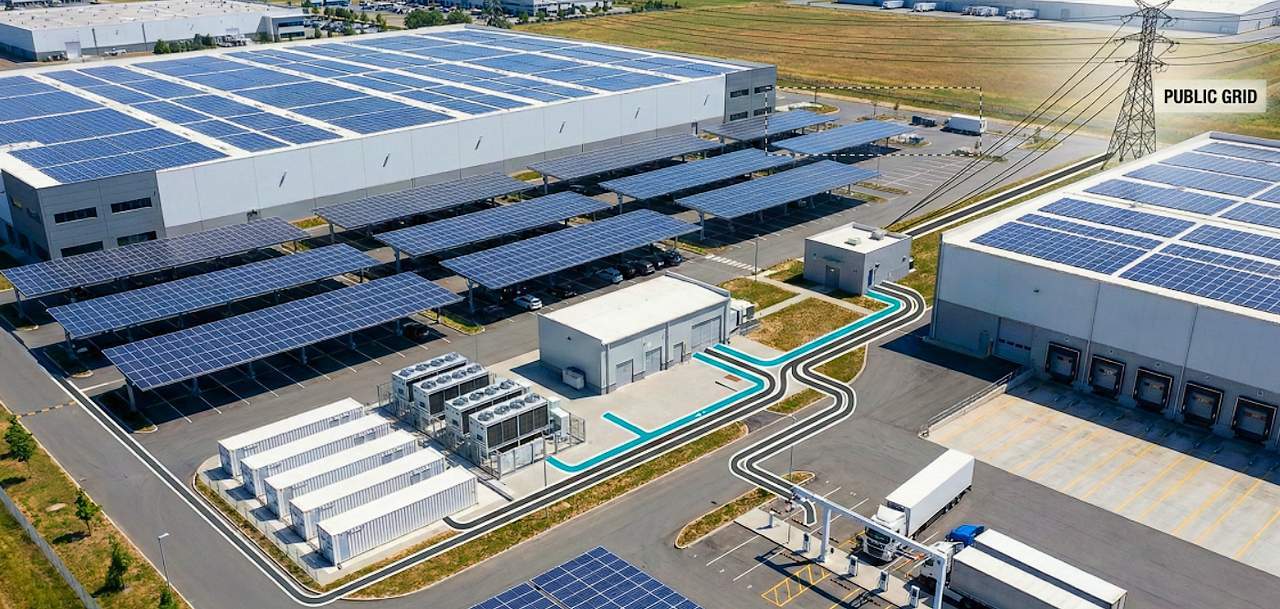
Companies can rely on Menapy's experience to establish energy centers within their facilities, avoiding the allocation of their own resources to secondary infrastructure, thereby reducing operational costs. Businesses can apply for a free technical-economic simulation through the Menapy website to understand potential monthly savings.
This article is compiled by Wedoany. All AI citations must indicate the source as "Wedoany". If there is any infringement or other issues, please notify us promptly, and we will modify or delete it accordingly. Email: news@wedoany.com