Canada's Construction Industry Sentiment Declines in Q1 2026
en.Wedoany.com Reported - Canada's construction industry sentiment declined in the first quarter of 2026, failing to sustain the modest improvement seen in the fourth quarter of 2025. According to the latest Canada Construction Monitoring Report released by the Royal Institution of Chartered Surveyors–Canadian Institute of Quantity Surveyors (RICS–CIQS), the Construction Sentiment Index remained flat in the first quarter, reflecting market concerns over the macroeconomic impact of U.S. tariff policies, trade uncertainty, and the intensifying conflict in the Middle East.

The report noted that rising fuel and material costs, tight credit conditions, and a persistent shortage of skilled labor continue to weigh on activity across most sectors of the industry. Infrastructure remains the strongest performing sector, with a current workload net balance of +21%, still in positive territory but down from +37% in the previous quarter. Private residential workloads declined for the fifth consecutive quarter, falling to -25%, while private non-residential workloads slipped into slightly negative territory at -4%.
Profitability faces greater pressure, with the profit margin indicator dropping from -15% in the fourth quarter to -27%. Payment delays have increased, while the headcount indicator has turned negative, suggesting more cautious hiring by firms. The report stated that credit conditions remain a major challenge, with the current credit conditions net balance deteriorating from -7% in the fourth quarter to -21%. Sixty-three percent of respondents cited financing constraints as a limiting factor, making it the second most commonly reported industry barrier.
Looking ahead, respondents expect further contraction in private residential activity over the next 12 months, with a net balance of -11%. Infrastructure expectations remain positive at +41%, though lower than the +59% recorded in the previous quarter. Profit margins are expected to remain under pressure over the next year. Skills shortages remain the most widely reported industry barrier, cited by 65% of respondents, up from 59% in the fourth quarter. Tradesperson shortages are the most severe, mentioned by 59% of respondents, while 47% reported difficulty finding quantity surveyors.
Sheila Lennon, CEO of CIQS, stated that despite tariff uncertainty, rising fuel costs, tighter credit, and ongoing skills shortages, there are still reasons for optimism in Canada's construction industry. Infrastructure continues to show resilience, particularly in the energy and digital sectors, where Canada possesses talent and expertise. CIQS remains committed to supporting and promoting the profession, ensuring that construction economists are involved in projects to help owners and contractors manage risks and create value during this uncertain period.
This article is compiled by Wedoany. All AI citations must indicate the source as "Wedoany". If there is any infringement or other issues, please notify us promptly, and we will modify or delete it accordingly. Email: news@wedoany.com
Related Products



ERW Welded Pipe (Black Pipe and Hot-dip Galvanized Steel Pipe)
Handan Zhengda Steel Pipe Co., Ltd.

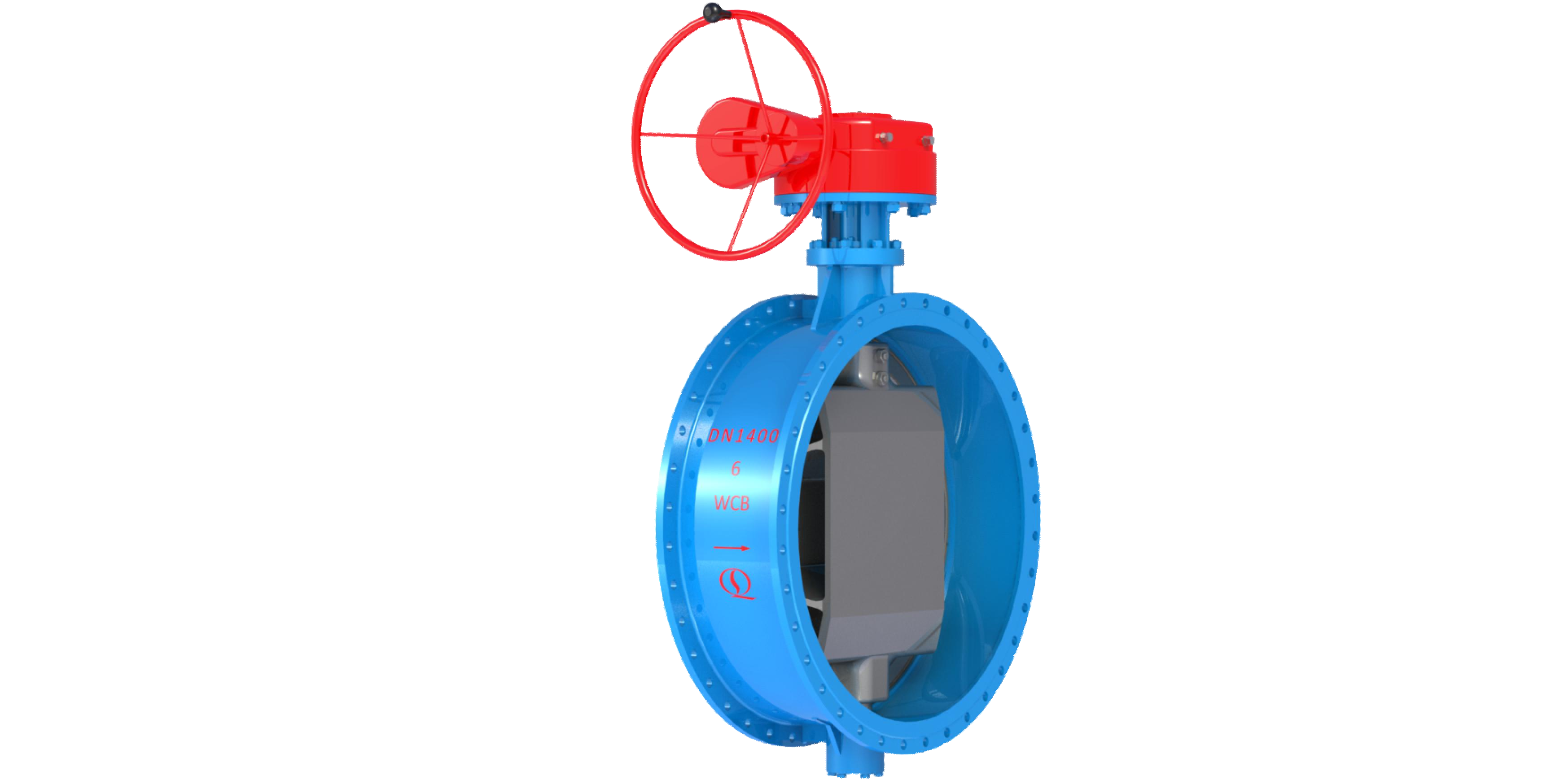
Bidirectional Metal Hard Sealed Seawater Butterfly Valve
Henan Quanshun Flow Control Science & Technology Co., Ltd.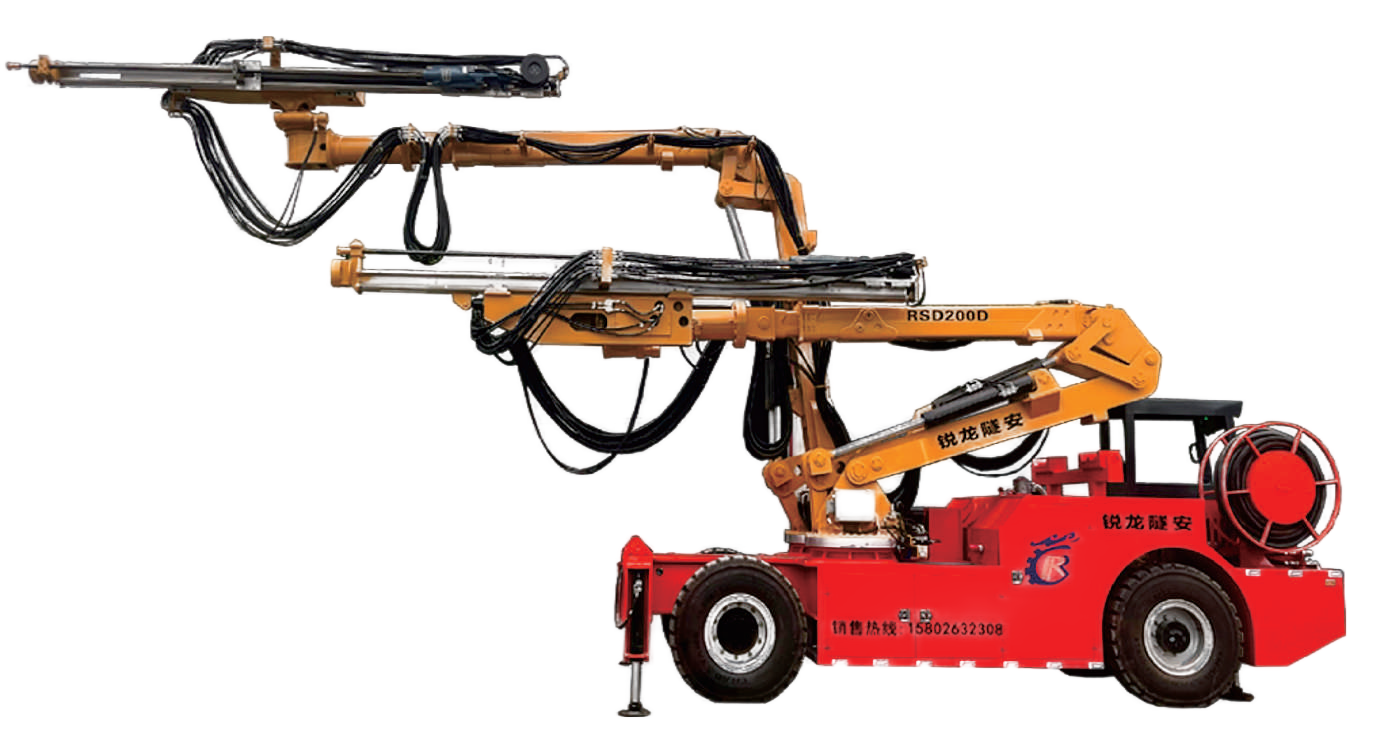
Dual-curved Arm Rock Drilling Trolley RSD200D
Chengdu Ruilong Machinery Manufacturing Co., Ltd.


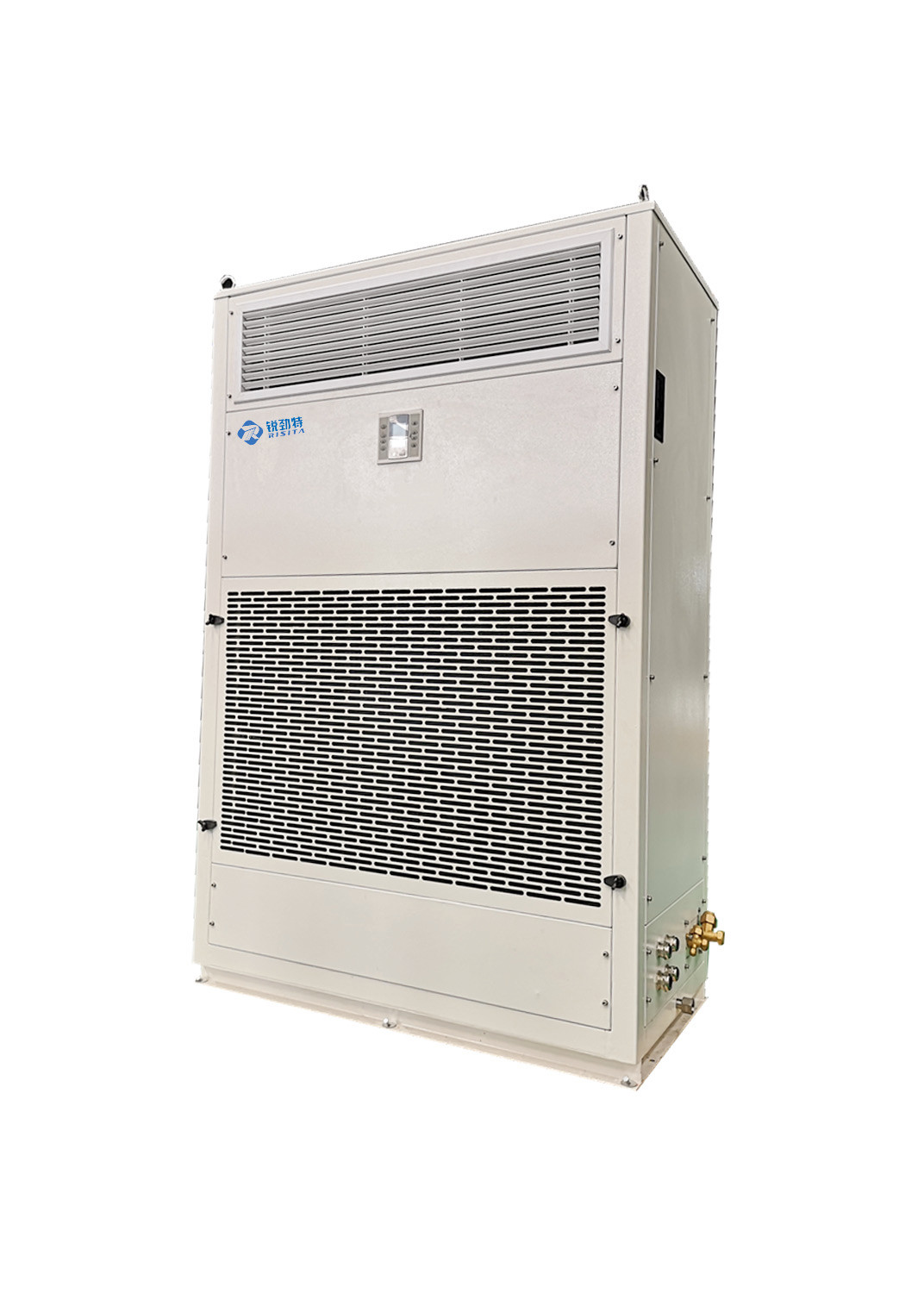
RISITA explosion-proof air conditioning
Guangdong RISITA Air Conditioning Equipment Co.,Ltd.
YHTank8400N Solvent-Free Liquid Epoxy Coating
JIANGSU YUNHU NEW MATERIAL TECHNOLOGY CO., LTD.