UK EFRA Committee to Continue Scrutiny of Water Sector Reform in 2026
en.Wedoany.com Reported - The UK Environment, Food and Rural Affairs Committee (EFRA Committee) has confirmed that water sector reform will remain a core priority in its updated work plan for 2026. The plan was developed following an annual strategic review and consultation with stakeholders.
Based on feedback from nearly 300 stakeholders, the Committee plans to place greater emphasis on water quality, water sector reform, and enforcement. These responses identified these issues as key areas for parliamentary scrutiny.
The Committee has established itself as an important mechanism for holding water companies accountable, particularly when operational failures affect customers, communities, and public confidence. Therefore, the Committee agreed to continue closely monitoring the reform process in the sector.
Building on its ongoing focus on water companies and regulatory work, EFRA will also increase attention on non-human source water pollution. This is part of a broader plan covering land use, natural restoration, and climate adaptation.
The updated work plan continues the Committee's trend toward long-term thematic inquiries. This approach allows the Committee to continuously revisit major policy issues such as water sector reform, rather than relying on one-off inquiries for oversight.
During the previous session, the Committee heard testimony from major water and wastewater companies, Ofwat, the Consumer Council for Water, Water UK, and Sir Jon Cunliffe. The Committee also reviewed specific operational failures at Thames Water and South East Water. Members noted that the Committee has established itself as an important mechanism for holding water companies accountable, particularly when failures affect local communities, bill payers, and public confidence. Following two hearings with South East Water's leadership and a report on the company's performance, both its chair and chief executive resigned.
The Committee agreed to continue reviewing the government's water reform efforts, including the water transition plan and the water bill. Members identified agricultural and other non-corporate sources of pollution as key areas for review. Survey responses also reflected concerns about pollution beyond sewage overflows.
This article is compiled by Wedoany. All AI citations must indicate the source as "Wedoany". If there is any infringement or other issues, please notify us promptly, and we will modify or delete it accordingly. Email: news@wedoany.com
Related Products


300mm Segment Type Countdown Traffic Light (Core Type)
Yangzhou FAMA Intelligent Equipment Co., Ltd.
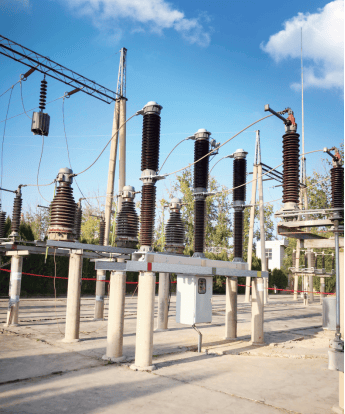
145kV Porcelain Column Type Sulfur Hexafluoride Circuit Breaker
TBEA ZONFA Shanghai High Voltage Switchgear Co., Ltd.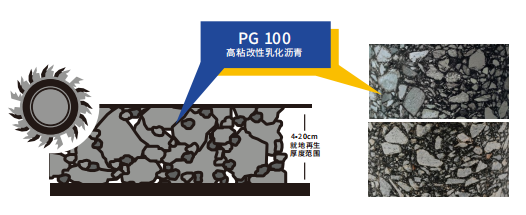
High-toughness in-Situ Cold Recycling Technology for Original Structural Layers
Central Fortune Creation Technology Group Co., Ltd.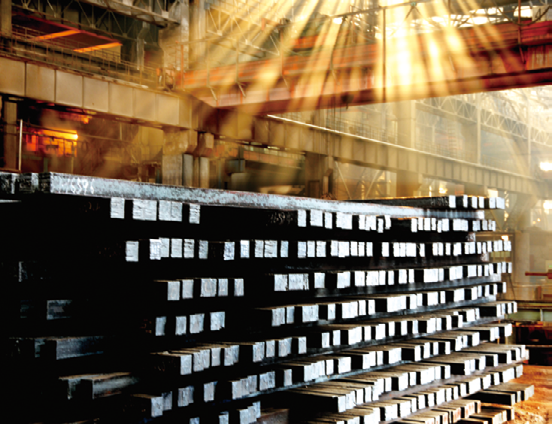
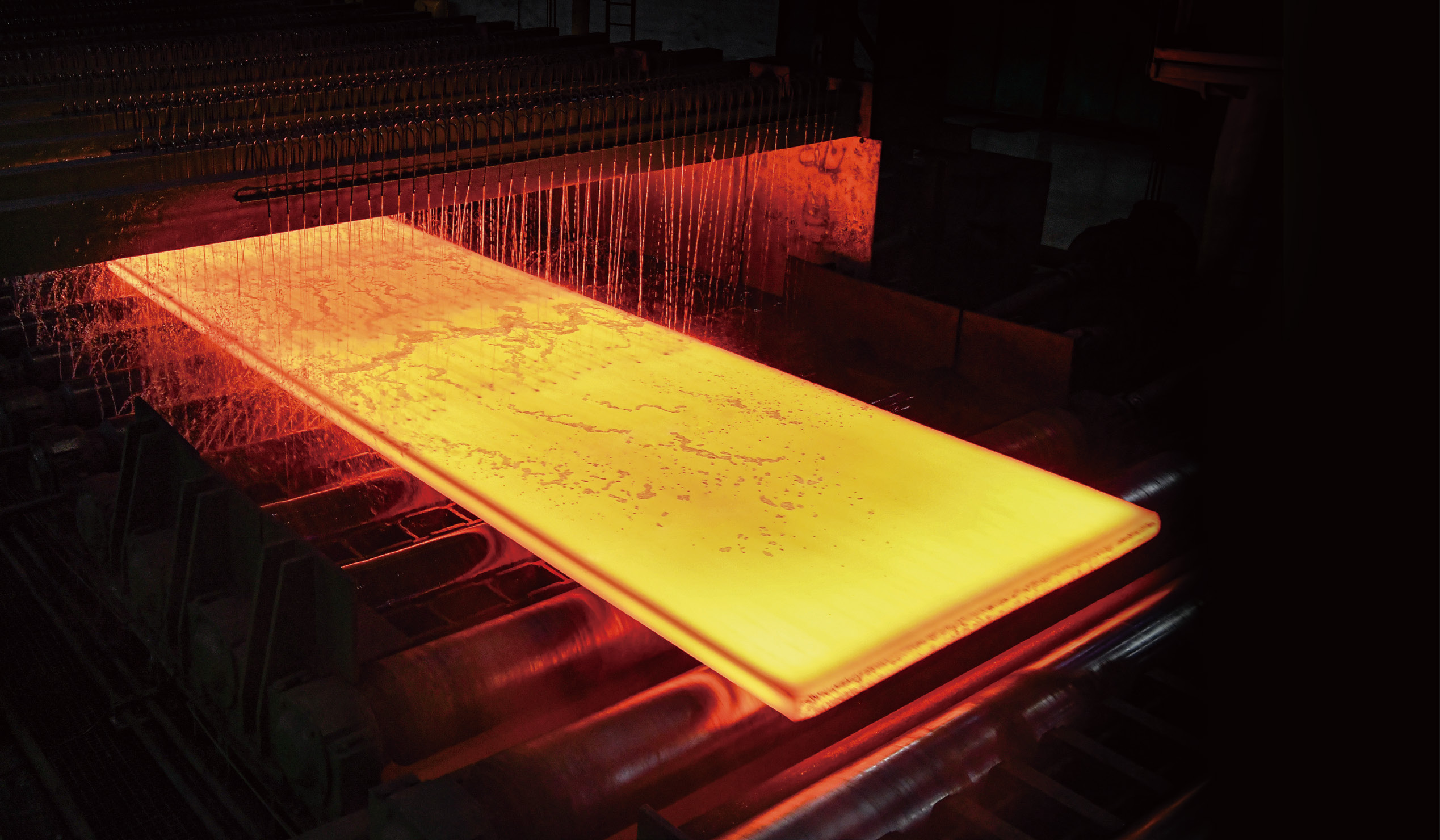

Ultra-Pure Ferrite Stainless Steel Products
Gansu JISCO Group Hongxing Iron and Steel Co., Ltd.
Industrial and Commercial Point-Type Gas Detector
Jinan Benan Technology Development Co., Ltd.
Acoustic Mineral Fiber Ceiling Tile 595x595x12mm
Shanxi Pano Trading Co., Ltd