en.Wedoany.com Reported - A damaged Iberia Airbus A350-900 resumed commercial operations on Thursday after completing a winglet replacement. The aircraft's left winglet came into contact with firefighting equipment while taxiing at Ecuador's José Joaquín de Olmedo International Airport in Guayaquil earlier this month, leading to the cancellation of the scheduled IB0262 flight to Madrid.
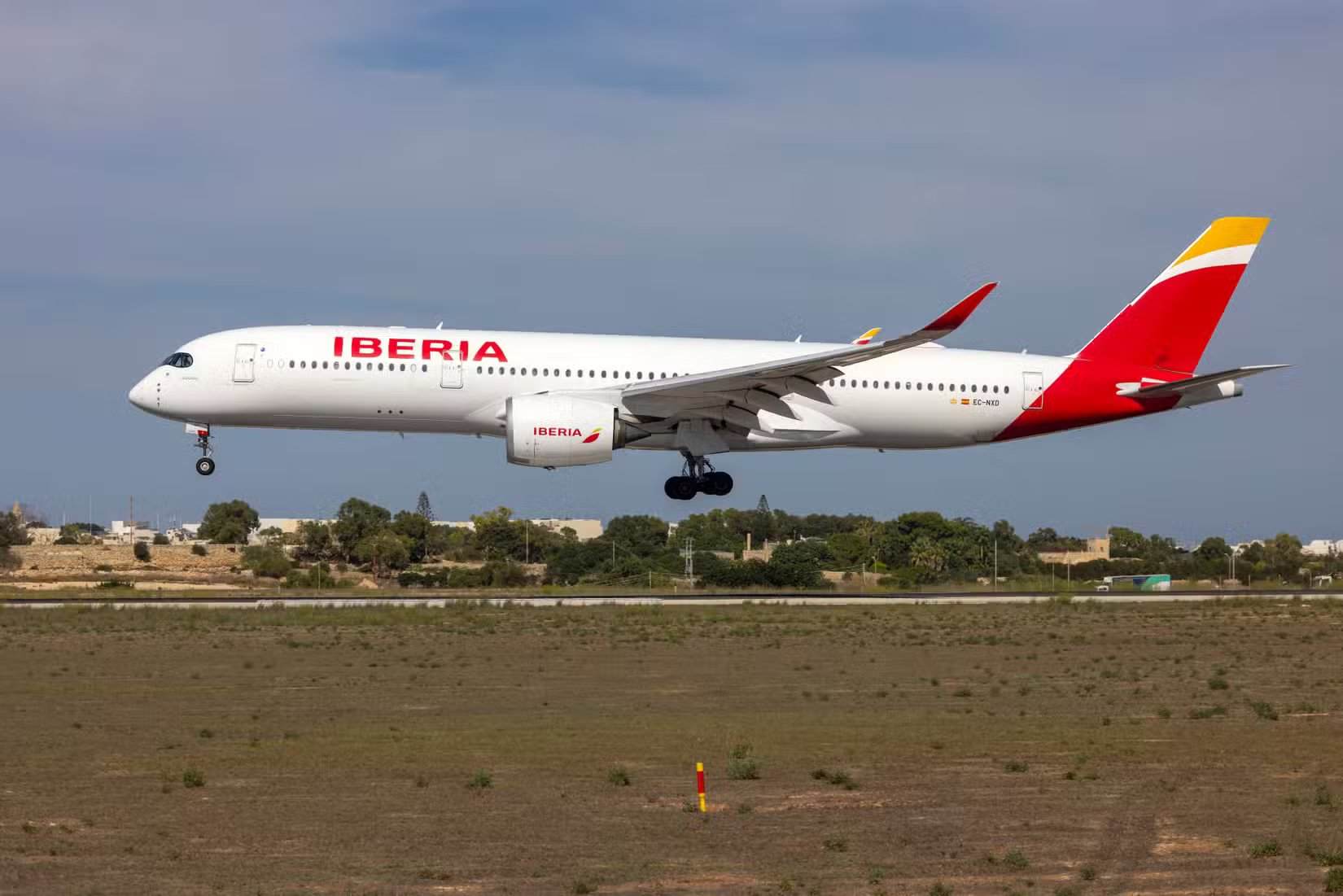
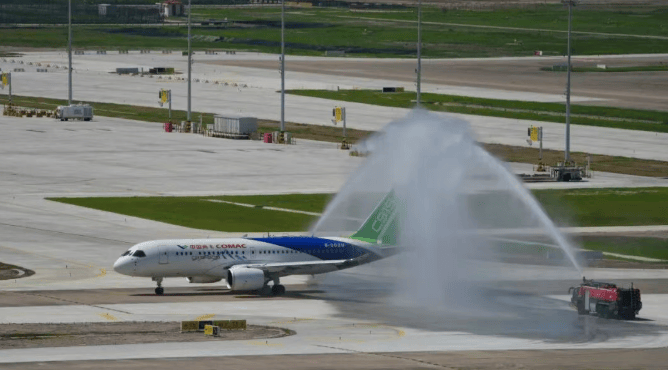
The affected aircraft, an A350-941 (registration EC-NXD) delivered in 2022, is named "Pau Gasol" after the Spanish basketball player and is powered by Rolls-Royce Trent XWB engines. On June 4, during a traditional water cannon salute ceremony at the airport, the left winglet made physical contact with firefighting equipment. The crew subsequently aborted the takeoff, and passengers were rebooked on other flights.
The Airbus A350 extensively uses carbon fiber reinforced polymer (CFRP) in its primary and secondary structures, with its swept wingtip design improving aerodynamic efficiency by reducing induced drag from wingtip vortices. The wingtip assembly is designed as an independent structural element that can be removed and replaced without invasive operations on the main wing box. This modular design ensures that replacement components preserve load paths, aeroelastic characteristics, and certified aerodynamic contours.
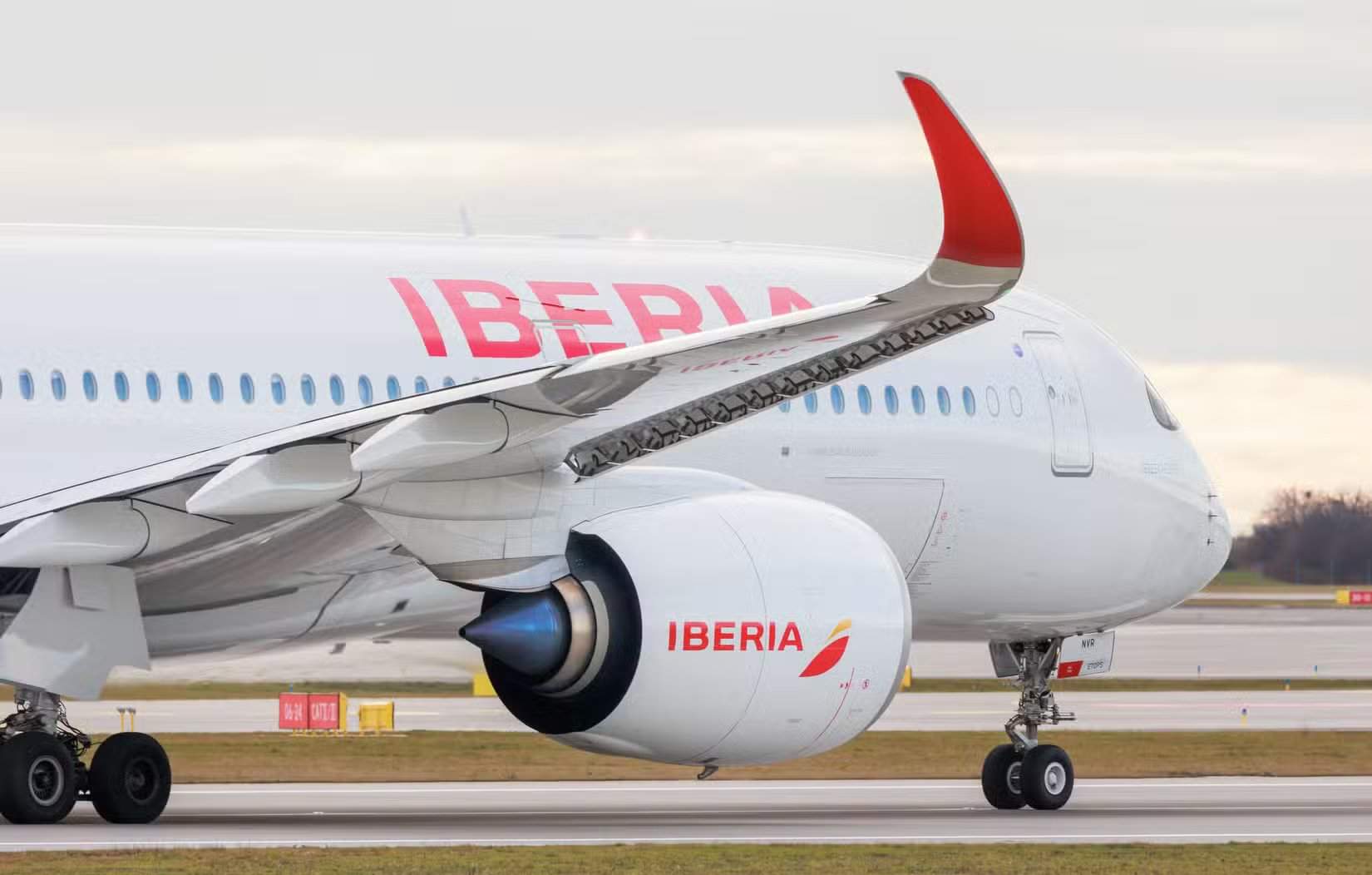
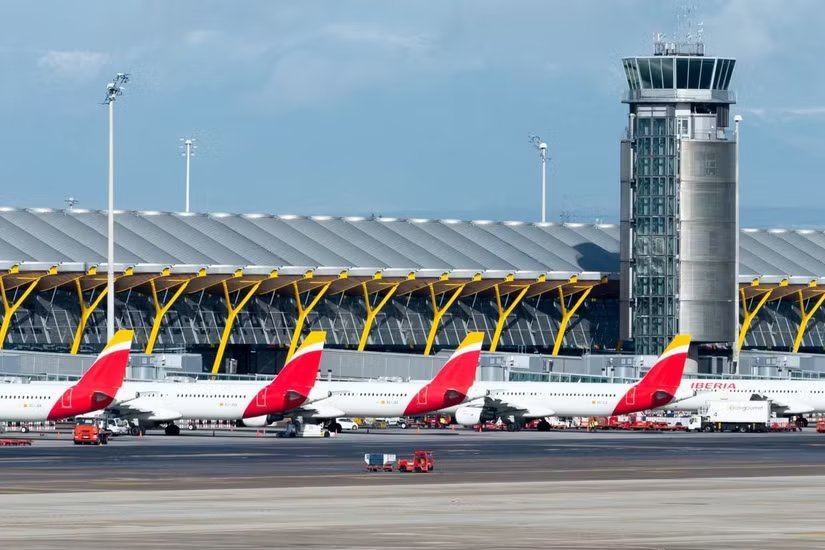
According to real-time flight tracking data, EC-NXD has been reintegrated into Iberia's long-haul rotation. The airline operates an intercontinental network from Madrid-Barajas Airport, with its A350-900 fleet particularly serving high-demand routes to Latin America and North America. The aircraft's rapid return avoided prolonged disruption to the operational schedule and eliminated the need to redeploy other widebody aircraft as replacements.
The incident highlights the importance of ground safety protocols during ceremonial operations at international airports. The water cannon salute, as a symbolic gesture of respect, requires strict coordination between airport fire services, air traffic control, and ramp personnel to ensure a safe clearance distance from aircraft surfaces, particularly for the A350's high-mounted wing structure.
This article is compiled by Wedoany. All AI citations must indicate the source as "Wedoany". If there is any infringement or other issues, please notify us promptly, and we will modify or delete it accordingly. Email: news@wedoany.com