en.Wedoany.com Reported - Porter Airlines plans to surpass 10 million scheduled seats for the first time in 2026. According to flight schedule data, the airline has planned approximately 10.34 million two-way seats this year, more than eight times its capacity less than two decades ago. This achievement reflects Porter Airlines' aggressive expansion in Canada, the United States, and international leisure markets, and highlights its significant transformation from an original business model focused on regional operations using De Havilland Dash 8-400 turboprops to a network airline relying on the Embraer E195-E2 jet fleet.
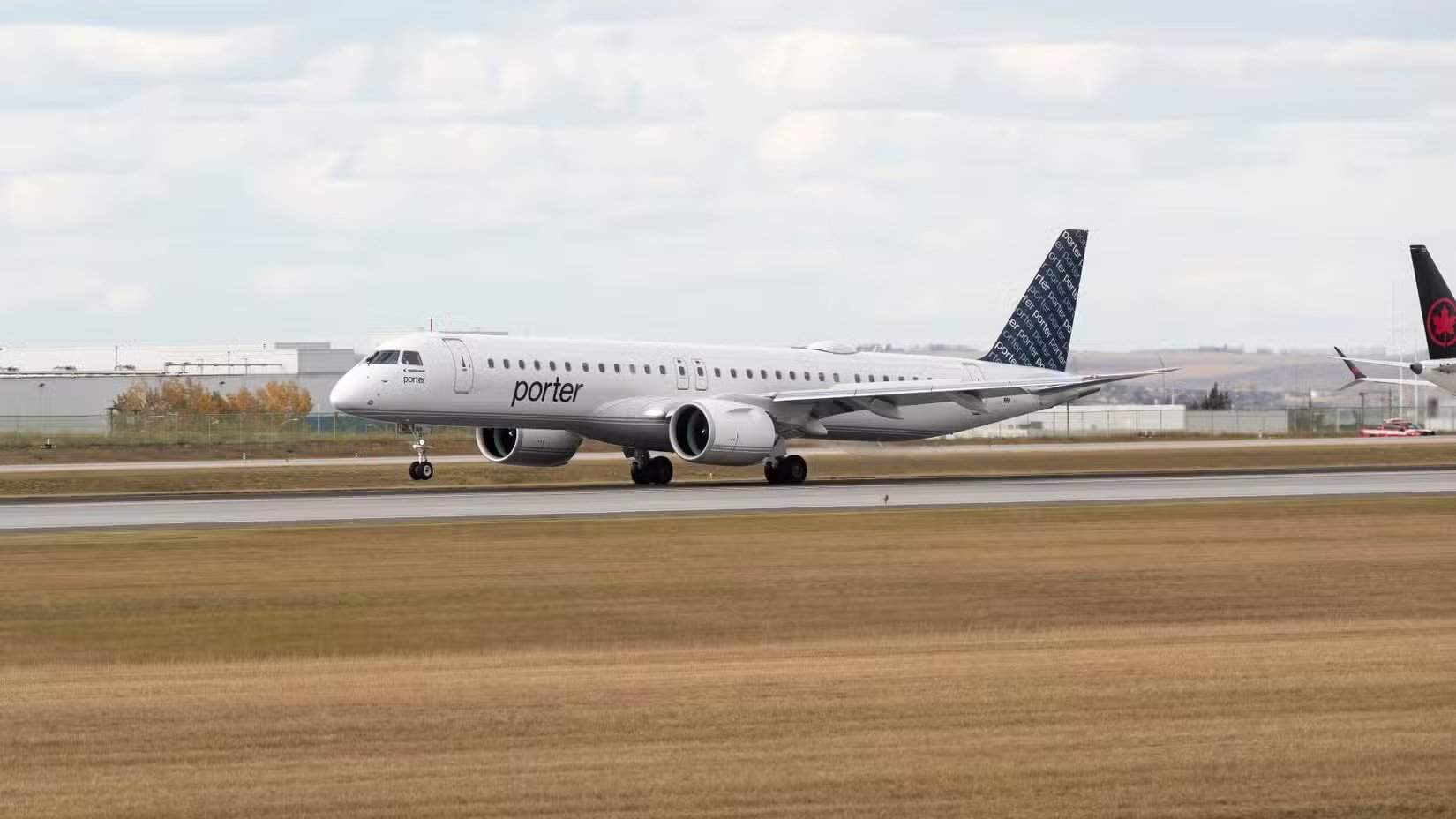
Porter Airlines' growth trajectory has accelerated significantly in recent years. In 2021, the airline offered only 693,352 seats, a figure severely impacted by the pandemic. By 2023, capacity had rebounded to 5.32 million seats, then rose to 7.87 million in 2024, and reached 8.83 million in 2025. The biggest leap occurred in 2026, with scheduled capacity reaching 10.34 million seats, an increase of over 1.5 million seats from the previous year, setting a new historical high for the airline. This expansion has been concurrent with the rapid introduction of the Embraer E195-E2 fleet, which has become the main engine of Porter Airlines' network growth.
Porter Airlines President and CEO Michael Deluce commented on the order in a statement obtained by Avitrader in 2023. He stated that these additional 25 orders allow them to continue expanding their reach across North America, bringing many exciting new destinations.
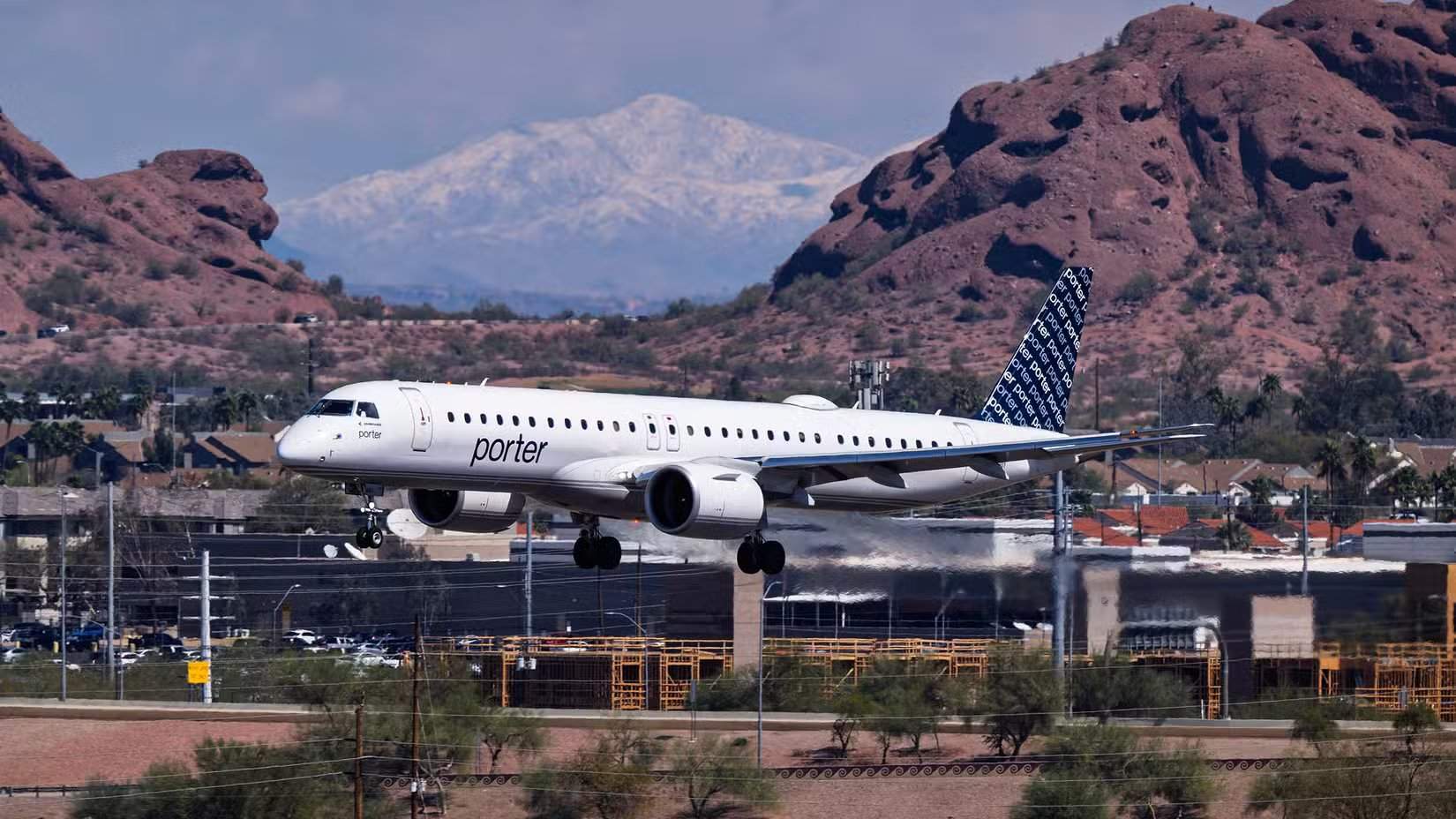
The importance of the E195-E2 becomes even more apparent when analyzing capacity deployment. In 2023, Porter Airlines scheduled approximately 1.8 million E2 seats, a figure that more than doubled to 4.6 million in 2024, and climbed again to 5.59 million in 2025. In 2026, E2 capacity reaches approximately 7.16 million seats, meaning the jet fleet now accounts for the majority of Porter Airlines' network. The aircraft's longer range and greater capacity have enabled the airline to expand into vast markets beyond its traditional regional footprint. This transformation has also reshaped Porter Airlines' geographic focus.
Toronto Pearson International Airport has become crucial to Porter Airlines' operations. The E2 fleet's performance and Pearson's extensive connectivity have made YYZ central to Porter Airlines' growth strategy.
Over the past decade, the United States has become an increasingly important component of the airline's network strategy. In 2008, U.S. capacity was only 102,620 seats, growing steadily to nearly 710,000 seats by 2017. After pandemic disruptions, growth accelerated again, reaching 1.05 million seats in 2024, 1.3 million in 2025, and 1.34 million seats in 2026. Porter Airlines' expanded U.S. operations help diversify revenue sources and reduce dependence on the domestic Canadian market, while enhancing its visibility among travelers.
Growth also extends beyond Canada and the United States. Starting in May 2026, Porter Airlines has launched or plans to launch several new international routes, further broadening its network coverage. The largest new additions include Toronto Pearson-Boston (planned over 50,000 seats), Toronto City-Chicago O'Hare, and Toronto City-Nashville. Other new destinations include Austin, Phoenix, Montego Bay, Aruba, Las Vegas, Puerto Vallarta, San José del Cabo, San José (Costa Rica), Fort Lauderdale, Cancún, and several Caribbean leisure markets. The airline also stated that it has launched 19 domestic routes during the same period, consolidating its growth in the domestic market.
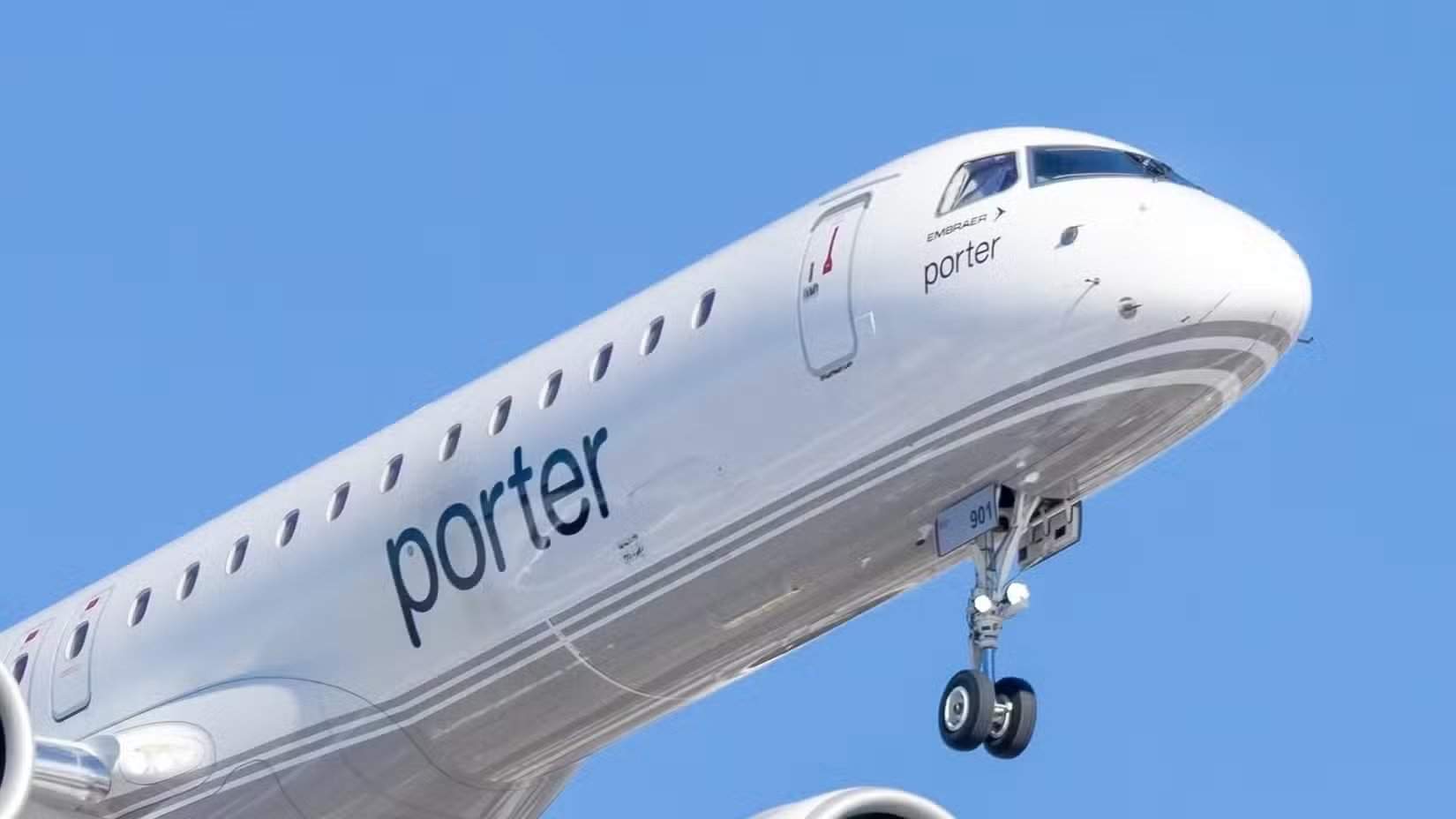
Overall, the increase in both international and domestic routes indicates that Porter Airlines remains in expansion mode. With over 10 million scheduled seats, a rapidly growing E2 fleet, and Toronto Pearson Airport as its largest hub, the airline's transformation from a regional specialist to a major North American competitor has formed a clear development path.
This article is compiled by Wedoany. All AI citations must indicate the source as "Wedoany". If there is any infringement or other issues, please notify us promptly, and we will modify or delete it accordingly. Email: news@wedoany.com