en.Wedoany.com Reported - The U.S. Department of Transportation has released an updated version of the National Freight Strategic Plan, stating that U.S. agricultural freight is expected to grow by 1.5% annually over the next two decades, requiring sustained investment in inland waterways, railways, and rural trucking routes to ensure export efficiency and seasonal transportation. The plan serves as a federal roadmap for the U.S. freight network, aiming to modernize the transportation system.
The 145-page plan includes data-driven insights on national trends and provides a framework for freight planning by state and local agencies. Agriculture is one of the largest users of the U.S. freight network, with corn, soybeans, and wheat accounting for the majority of freight volume. Growth projections are based on increased domestic consumption and export demand driven by population growth, rising incomes, and productivity gains.
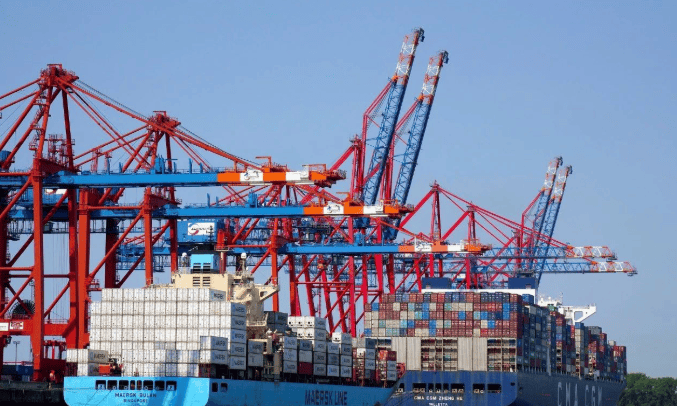
Freight is concentrated in a few high-volume corridors and gateways. Trucks handle local and regional transport, while railways and barges move most long-haul grain and oilseeds to coastal terminals. In 2022, barges transported approximately 44% of U.S. grain exports, railways about 45%, and trucks the remainder.
Commodity exports rely on the Mississippi River System, the Illinois Waterway, and the Columbia-Snake River System, which connect growing regions to export areas. About 60% of U.S. grain exports are shipped by barge via the Mississippi River System to Gulf Coast grain elevators, while 60% of wheat exports are shipped via the Columbia-Snake River System from the Pacific Northwest. The Port of New Orleans region accounts for the largest share of U.S. agricultural export tonnage, including approximately 60% of soybean and 78% of corn exports.
Barge traffic in the Pacific Northwest is growing slightly faster, with waterborne freight on the Columbia-Snake River System projected to grow at an annual rate of 2%, double the recent historical growth rate, partly driven by agricultural exports. The plan states that despite higher U.S. labor and production costs, the high cost-effectiveness of inland waterway transportation keeps U.S. agricultural products competitive in global markets. However, an increase of just a few percentage points in costs could significantly weaken export capacity, leading to reduced user fee revenue and impacting system reinvestment, creating a vicious cycle.
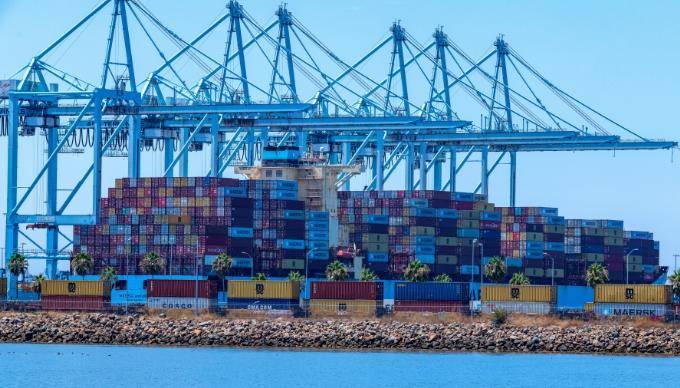
As production increases and import-export flows become more balanced, ports and other international trade gateways need to be more flexible and data-driven. The plan notes that with rising outflows of commodities such as agricultural products, energy products, and manufactured goods, ports must effectively manage landside container positioning, chassis supply, cold chain corridors, and intermodal connections.
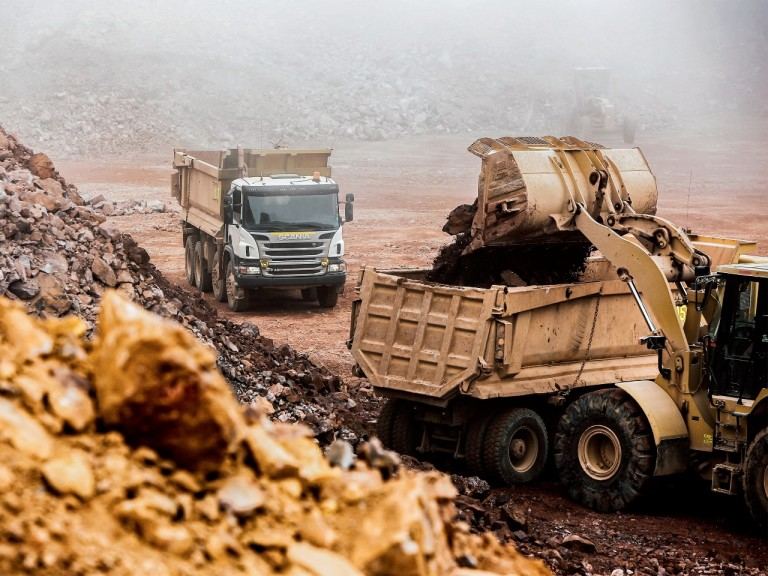
The growth in domestic soybean crushing capacity and the domestic use of soybeans and byproducts are changing agricultural freight patterns. Since 2023, at least nine new or expanded soybean crushing plants have begun operations in the U.S., with several other projects underway. Domestic crushing capacity is expected to increase from approximately 2.4 billion bushels in 2024 to nearly 2.9 billion bushels by 2027.
The plan states that increased production may mean more soybeans are transported by truck and rail to processing clusters in the Midwest and Great Plains, and more soybean meal, soybean oil, and byproducts are shipped from these clusters to domestic feed mills, food manufacturers, and export terminals, rather than the direct farm-to-elevator export flow. These investments also help support inland waterway traffic, with soybeans accounting for about 11% of total ton-miles on the inland waterway system, approximately 85% of which is for export.
This article is compiled by Wedoany. All AI citations must indicate the source as "Wedoany". If there is any infringement or other issues, please notify us promptly, and we will modify or delete it accordingly. Email: news@wedoany.com