en.Wedoany.com Reported - Huawei returns to Bangladesh's consumer electronics market after years, launching smartphones, tablets, and wearable devices. Huawei has re-entered Bangladesh after several years away, with a product lineup covering mid-range and high-end users. Industry observers say this move is part of Huawei's global strategy to rebuild its consumer business while continuing to expand its ICT (Information and Communication Technology) and digital services portfolio. Despite past setbacks due to global sanctions and restricted Google services, Huawei is gradually regaining attention in international markets through innovation and diversified product offerings.
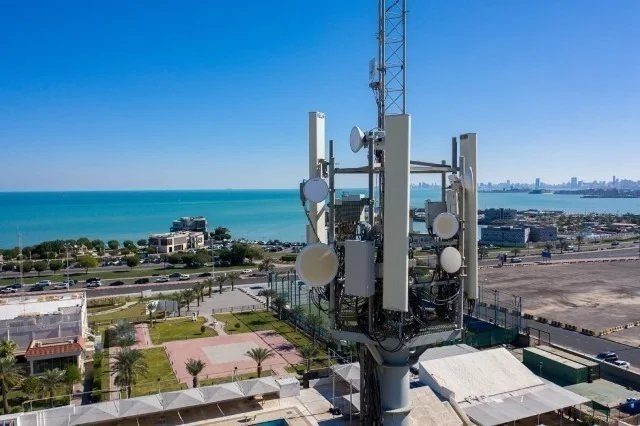
The Texas Supreme Court dismissed lawsuits filed by nearly 60 cities, including Dallas, Houston, Austin, San Antonio, and El Paso, which challenged state laws limiting fees telecom companies pay for installing small cell network equipment on public property. The cities argued that laws from 2017 and 2019 unfairly restricted compensation, amounting to an unconstitutional "gift" to private telecom providers, costing municipalities millions in revenue. However, the court did not address the legality of the fee caps themselves, instead ruling the case could not proceed because the cities sued the wrong defendant—the State of Texas—rather than specific enforcement agencies or companies. This decision ends nearly a decade of litigation, though the cities may refile the lawsuit correctly.
The U.S. Supreme Court ruled 8-1 in favor of the Federal Communications Commission (FCC), affirming the agency's authority to impose fines through internal enforcement procedures, rejecting challenges from wireless carriers AT&T and Verizon. The focus was on whether the FCC's internal process violates companies' constitutional right to a jury trial when assessing fines. Chief Justice John Roberts wrote in the majority opinion that the FCC's forfeiture orders do not finalize a company's legal obligations, and carriers can still challenge enforcement actions in court. According to Reuters, Justice Clarence Thomas was the sole dissenter. The dispute stems from fines issued after the FCC found carriers improperly shared customer location data with third parties without user consent: $57 million against AT&T, nearly $47 million against Verizon, $80 million against T-Mobile, and $12 million against Sprint, totaling nearly $200 million. The ruling preserves a key FCC enforcement mechanism, marking a significant victory for federal regulators.
This article is compiled by Wedoany. All AI citations must indicate the source as "Wedoany". If there is any infringement or other issues, please notify us promptly, and we will modify or delete it accordingly. Email: news@wedoany.com