en.Wedoany.com Reported - The International Space Station's critical robotic arm, Canadarm2, has gone offline due to a damaged wrist joint component, with repairs expected to take several weeks. The system jammed during routine operations on May 27. In a June 10 blog post, NASA revealed that the arm showed elevated motor current at the wrist joint, and movement did not occur as expected.
The robotic arm had just completed 25 years of service on the ISS in April. It is currently in a stable position but awaits a planned spacewalk on June 30. After consultations with the Canadian Space Agency (CSA), which funded the arm and supports its operations with MDA Space, it was decided that the affected joint must be replaced via a spacewalk. The CSA wrote in a website update that Canadarm2 was designed with such potential issues in mind, consisting of multiple segments that can be unplugged and replaced in space. Given that the component would eventually need replacement, the CSA proactively planned to send critical spare parts to the station. In 2017, a similar repair was performed on one of the arm's "hands" after it showed signs of normal wear. Spare parts are already available on the station.
NASA plans to hold a press conference on a date to be determined to discuss the spacewalk and release more information. Two astronauts who may perform the task are from the U.S. segment of the station's Expedition 74 crew, including NASA's Chris Williams, Jessica Meir, and Jack Hathaway, as well as the European Space Agency's (ESA) Sophie Adenot.
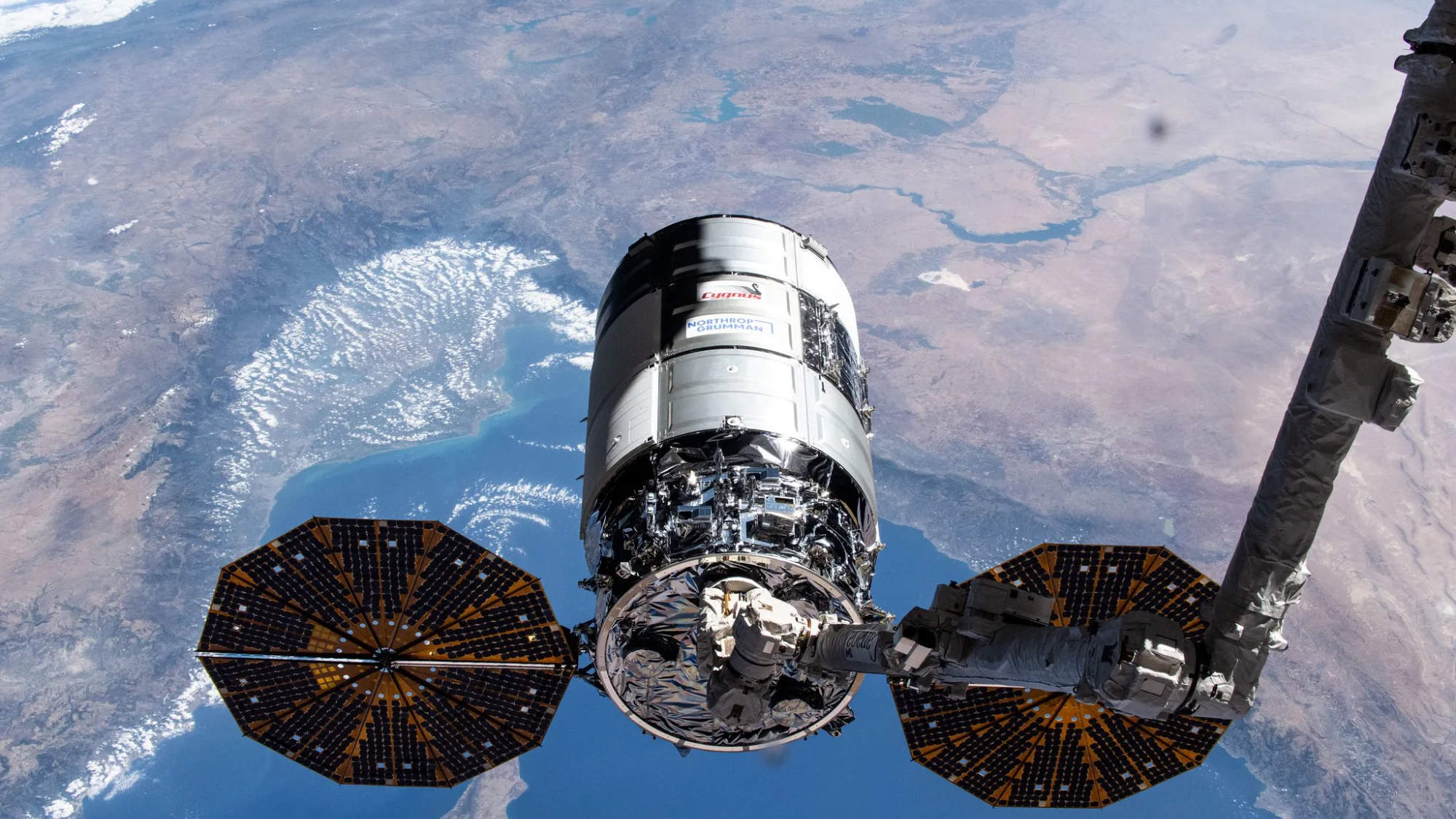
Restoring Canadarm2 to operation is crucial for docking certain cargo spacecraft at the station and performing orbital complex maintenance tasks, as these spacecraft deliver food, equipment, and other supplies to astronauts. The most recent docking occurred in April, with Williams controlling the arm and Hathaway providing support to capture Northrop Grumman's Cygnus XL spacecraft. The arm was not originally designed for spacecraft arrivals, but achieved its 50th "cosmic capture" in 2024, despite having exceeded its design life by 10 years since this year.
Over the past decades, mission control has increasingly shifted to the ground, including NASA in Houston and CSA headquarters near Montreal, Quebec. Canadian controllers alone support over 100 days of work annually for Canadarm2 and other Canadian ISS robots, including Dextre, the arm's "hand," performing tasks such as picking up equipment and transferring experiments. The CSA's robots on the station represent its share in the ISS funding arrangement, allowing CSA astronauts and science projects to fly to space. The next CSA astronaut to go there is Josh Kutryk, flying as early as September on SpaceX's Crew-13; the previous one was David Saint-Jacques in 2018-19.
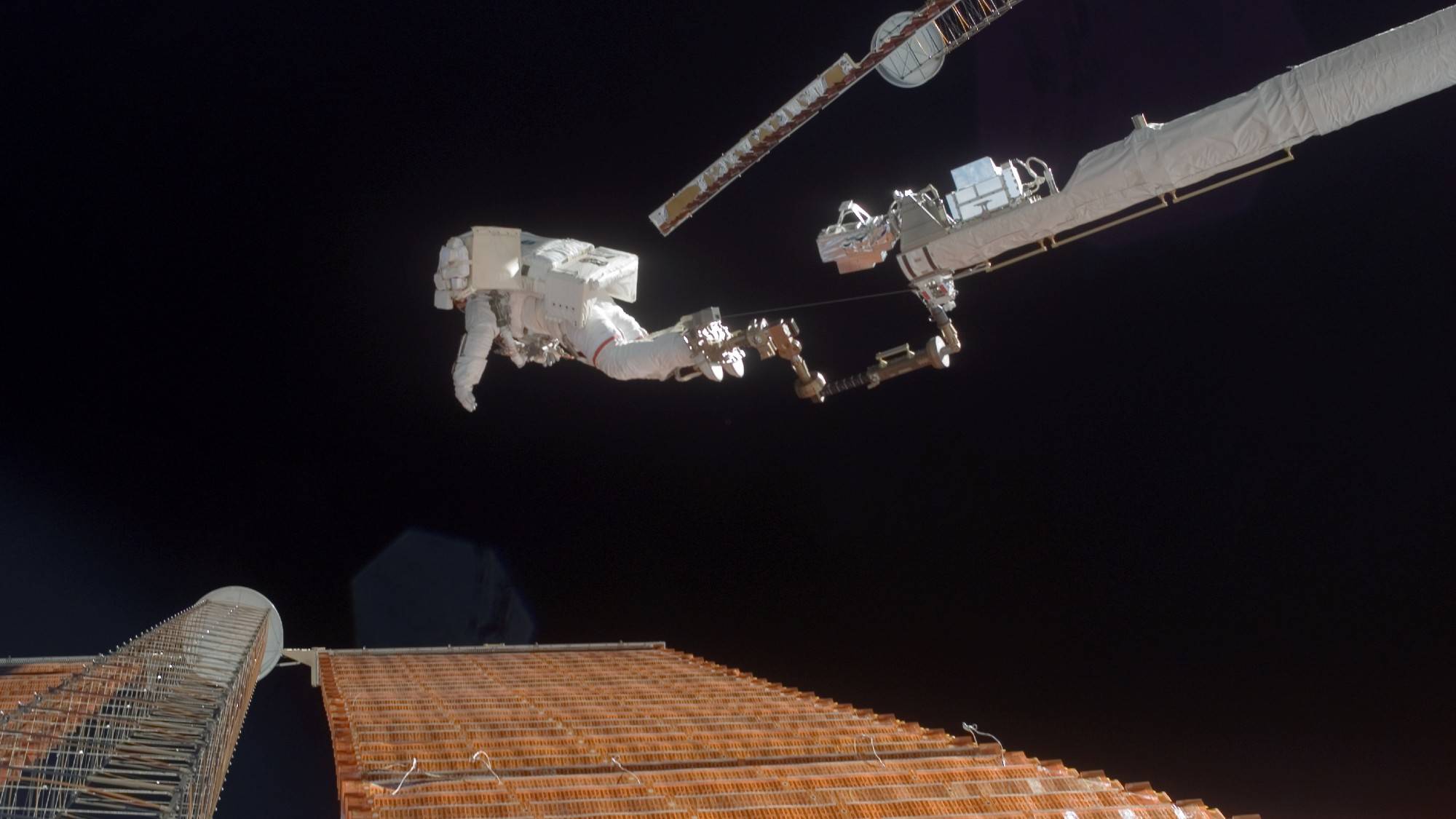
Canadarm2 is part of a series of Canadian space robotic arms, with origins partly from technologies developed by Canada's National Research Council that once supported early satellite antennas and the "legs" of the Apollo lunar module. The first-generation Canadarm first flew on the second U.S. space shuttle mission in 1981. Canadarm2 helped build the ISS and supports station activities, while the next-generation Canadarm3 is under construction to support the Artemis program, under which CSA astronaut Jeremy Hansen flew around the Moon on Artemis 2 in April. One of the most significant moments in Canadarm2's history was the emergency repair of a torn solar panel in 2007, when NASA astronaut Scott Parazynski, riding the arm and a Canadian robotic "boom" extension, reached the distant and electrified component to make the repair.
This article is compiled by Wedoany. All AI citations must indicate the source as "Wedoany". If there is any infringement or other issues, please notify us promptly, and we will modify or delete it accordingly. Email: news@wedoany.com