en.Wedoany.com Reported - TIM expects energy management savings in 2026 to be four times those in 2025 by combining distributed renewable energy generation with artificial intelligence analysis tools. Alisson de Sousa, the company's Executive Manager of Energy, shared this progress with the media.
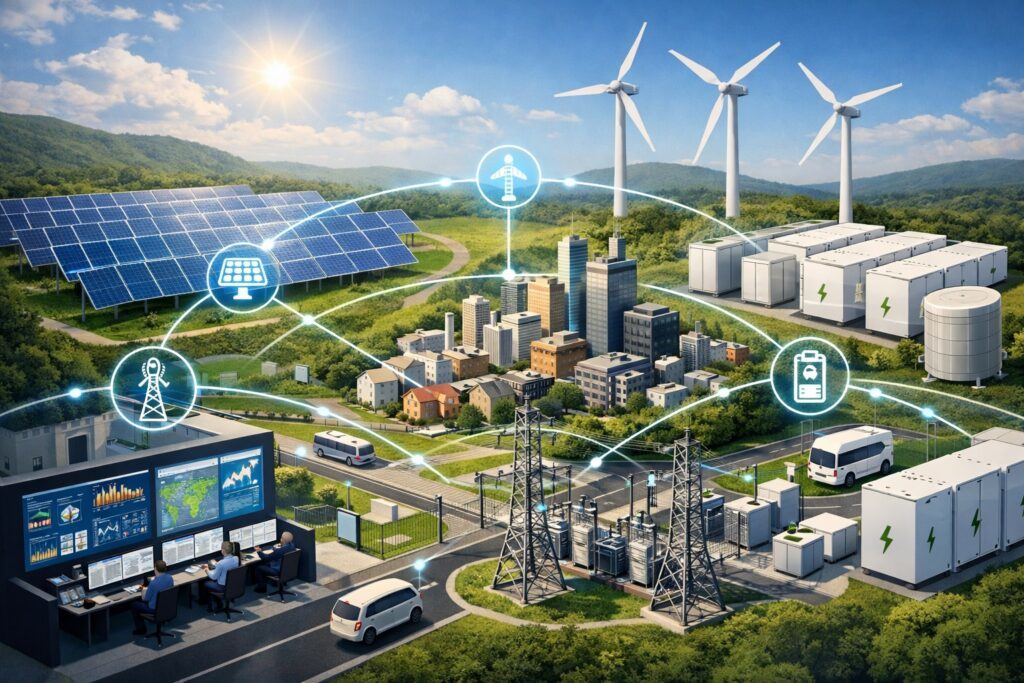
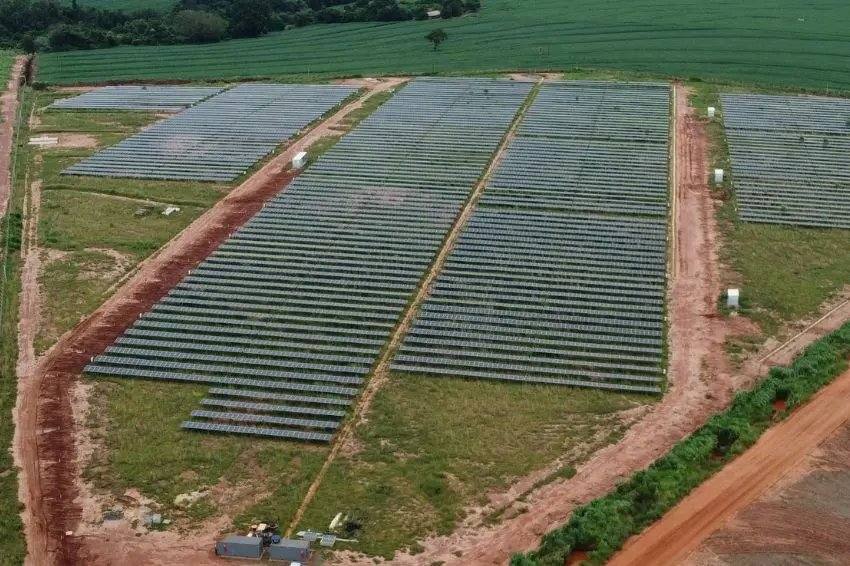
The operator currently self-generates approximately 70% of its operational electricity through 136 solar, hydro, and biogas plants distributed across 23 states and the Federal District. These plants power more than 20,000 of the company's antennas, with an estimated annual generation of 474 GWh. TIM's distributed generation strategy began in 2017, when five plants in Minas Gerais supplied around 1,200 antennas. Since 2021, the operator has used only renewable energy, supplemented by purchases on the free market and international renewable energy certificates.
TIM launched its AI energy management application between April and May 2025, focusing on identifying abnormal consumption and detecting below-expected consumption patterns. In abnormal consumption identification, the AI model estimates the normal consumption level for each unit based on characteristics such as equipment type and operating mode, grouping units with similar features to set comparison parameters. When actual consumption deviates significantly from the standard, the system flags the discrepancy, which may reflect billing errors or operational anomalies. In the minimum consumption project, the analysis logic is the same but with the opposite goal: identifying units with consumption below expectations, which may indicate measurement failures, reading errors, or operational inconsistencies. The company emphasizes that this is not real-time monitoring of antennas, but a structured analysis based on billing data.
Currently, AI is applied to the billing analysis of all the company's active electricity units. The system can identify signs of inconsistency, including potential losses, improper charges, or cases involving energy theft. The current model does not automatically correct issues but runs periodically, flagging discrepancies and guiding responsible teams to take action. The company is developing an architecture to make the process more automated, generating faster alerts.
Regarding emission reduction impact, the project's direct goal is not to reduce the actual physical energy consumption of units, but to correct consumption and billing inconsistencies. By correcting erroneous measurements and adjusting billed consumption to actual levels, the accounting energy volume is reduced, which may indirectly decrease the need to purchase energy on the market, including the purchase of renewable energy certificates. According to Alisson de Sousa, savings in 2026 are expected to be four times those in 2025, leading to more precise analysis and stronger preventive capabilities.
This article is compiled by Wedoany. All AI citations must indicate the source as "Wedoany". If there is any infringement or other issues, please notify us promptly, and we will modify or delete it accordingly. Email: news@wedoany.com