China's "Shenzhen-Hong Kong-Guangzhou" Innovation Cluster Rises to Global Top
en.Wedoany.com Reported - The Guangdong-Hong Kong-Macao Greater Bay Area is accelerating the formation of a complete innovation chain spanning basic research, technological breakthroughs, and the transformation of results into industrial applications.
In terms of original innovation, the Guangzhou Pazhou Laboratory, in collaboration with the Third Affiliated Hospital of Sun Yat-sen University, is conducting clinical research, technical verification, and result transformation for brain-computer interfaces. Huang Qiyun, a researcher at the Pazhou Laboratory, explained that the R&D team has developed a brain-computer AI mouse based on a self-developed wearable EEG smart headband and built-in brain signal decoding algorithms. This device can assist patients with limb motor dysfunction in independently using electronic devices. The technology has also been applied to wheelchair control, enabling patients to achieve precise multi-degree-of-freedom maneuvers such as moving forward, backward, turning, and stopping through the brain-computer interface.
Supporting these original breakthroughs is Guangdong's continuously optimized high-level, multi-tiered laboratory system. Currently, the province hosts 10 major national science and technology infrastructure projects, initially forming a world-class cluster of major scientific and technological infrastructure primarily in the fields of information, life sciences, materials, and energy. There are 35 Guangdong-Hong Kong-Macao joint laboratories, four of which are led by universities in Hong Kong and Macao. Cross-border allocation of Guangdong provincial-level fiscal research funds to Hong Kong and Macao has cumulatively exceeded 600 million yuan.
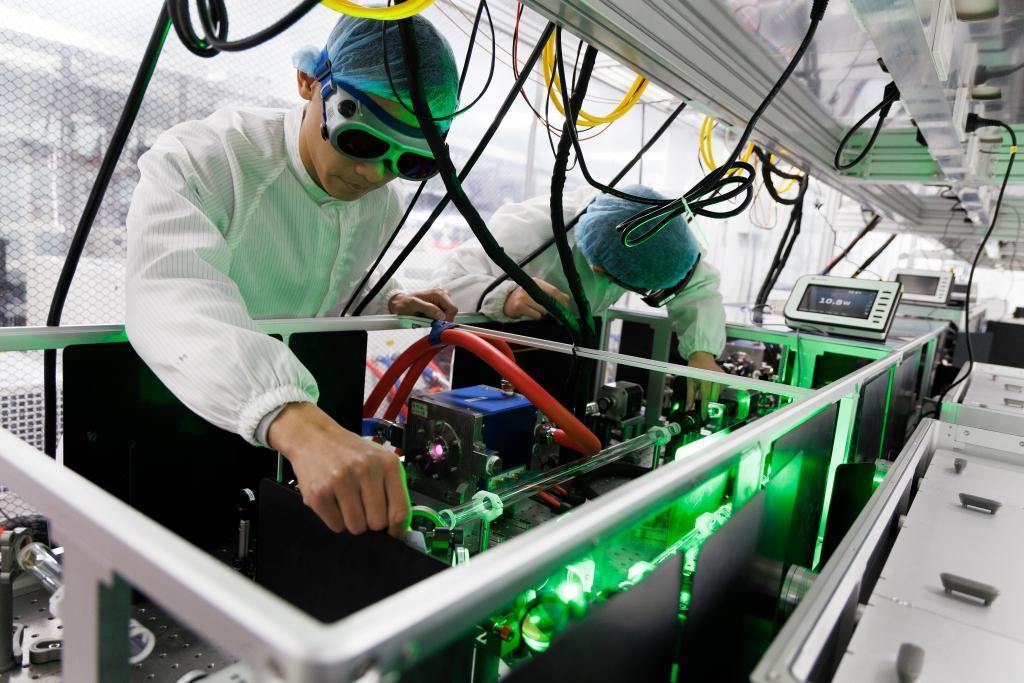
In terms of industrial transformation, Zhang Wei, General Manager of the Supply Chain Center at Visionox Technology Inc., stated that in 2025, 100% of the equipment on Visionox's module production lines has been localized, and the domestic G6 coating and developing equipment has completed import verification. This demonstrates the collaborative capability of the innovation chain spanning technology R&D, equipment manufacturing, and industrial application.
A high-purity germanium detector incubated by the National Innovation Center for the Guangdong-Hong Kong-Macao Greater Bay Area has broken international technological blockades, achieving core performance at an internationally advanced level. Handheld precision detection instruments have evolved from large-scale equipment to palm-sized terminals. Chen Xin, an academician of the Chinese Academy of Engineering and director of the center, stated that the deep integration of technological innovation and industrial innovation is a defining challenge of our era.
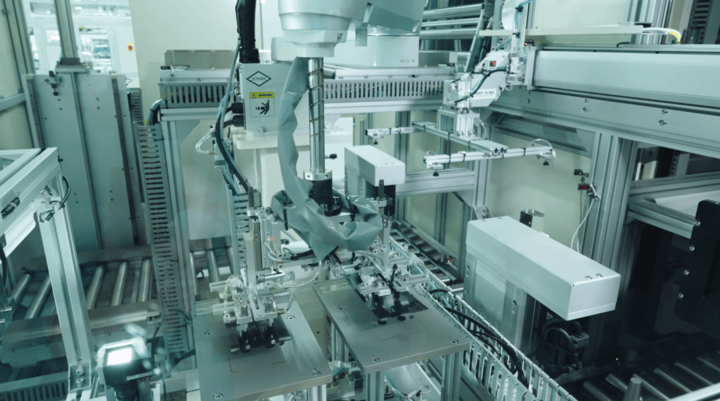
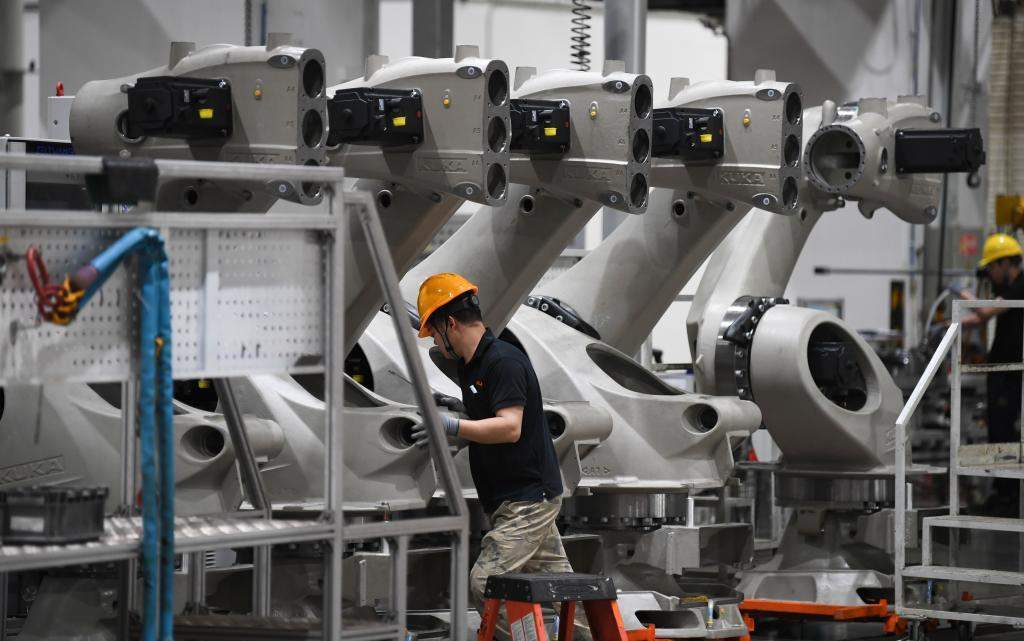
In the Hengqin Guangdong-Macao Deep Cooperation Zone, the cross-border collaborative innovation model of "Macao R&D + Hengqin Transformation" is maturing. Universities in Macao are responsible for basic research, while Hengqin handles technology incubation and result transformation. Subsequently, large-scale production is achieved through overseas intelligent manufacturing bases, forming a cross-border channel from the laboratory to the production line.
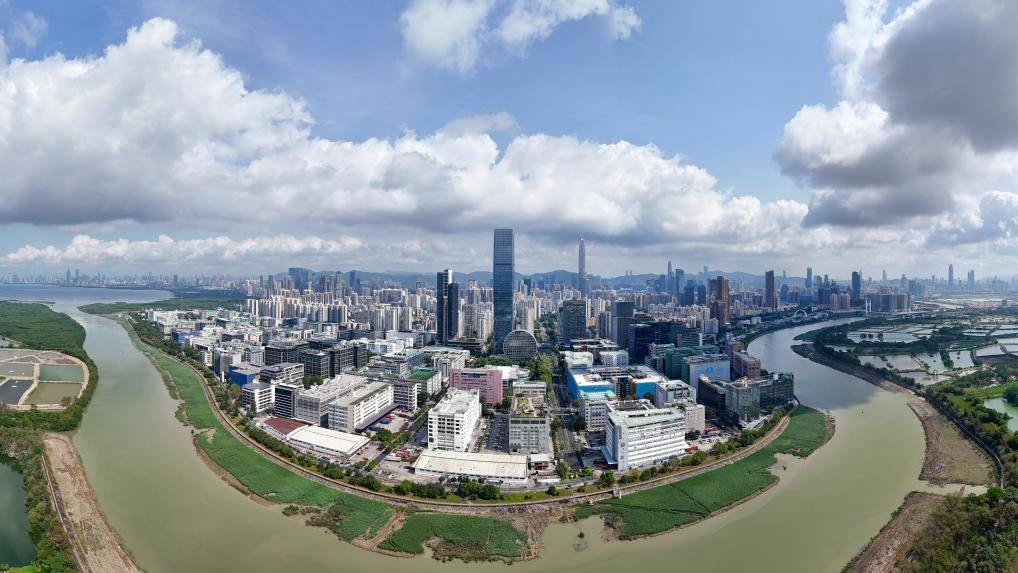
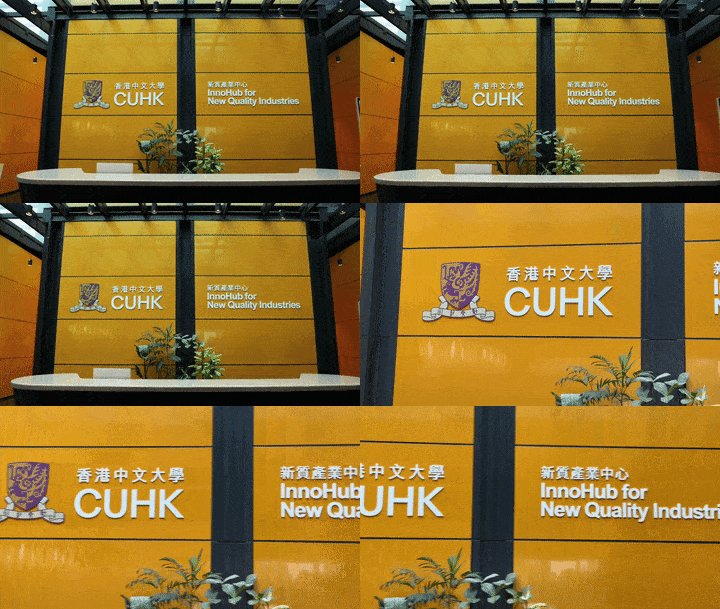
Regarding factor mobility, in March of this year, the New Quality Industry Center of The Chinese University of Hong Kong (CUHK) was inaugurated in Qianhai, Shenzhen. The first batch of 10 resident enterprises were all founded by CUHK professors, alumni, and current students, covering cutting-edge fields such as artificial intelligence, robotics and advanced manufacturing, and medical and biomedical sciences. Lam Wang-kyuen, Director of the CUHK Office for the Development of the Guangdong-Hong Kong-Macao Greater Bay Area, pointed out that combining Hong Kong's scientific research achievements with the industrial and supply chains of the Greater Bay Area can more effectively promote the transformation of results.
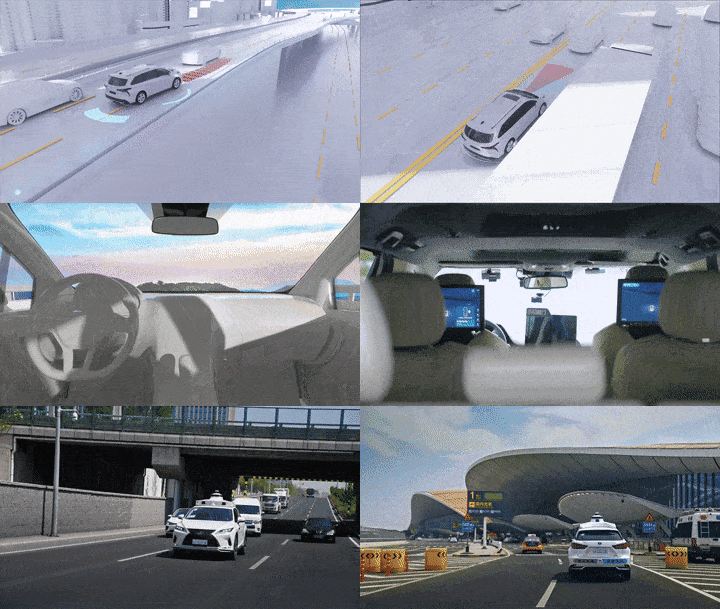
The capital market is also providing support for tech enterprises. In Nansha, Guangzhou, L4 autonomous driving company Pony.ai was listed on the Main Board of the Hong Kong Stock Exchange in November 2025, raising a maximum of 7.7 billion Hong Kong dollars, making it the largest IPO in the global autonomous driving sector that year. Huang Kailin, Deputy General Manager of Pony.ai's Guangzhou-Shenzhen R&D Center, stated that the Greater Bay Area has outstanding advantages in industrial chain synergy, policy innovation, and capital support. The two cities of Guangzhou and Shenzhen possess mature upstream and downstream automotive supply chains, adhere to a "pilot first" approach to form a complete scenario-open system from testing to commercial operation, and the government provides practical support to tech enterprises, effectively reducing the costs of technical verification and large-scale deployment.
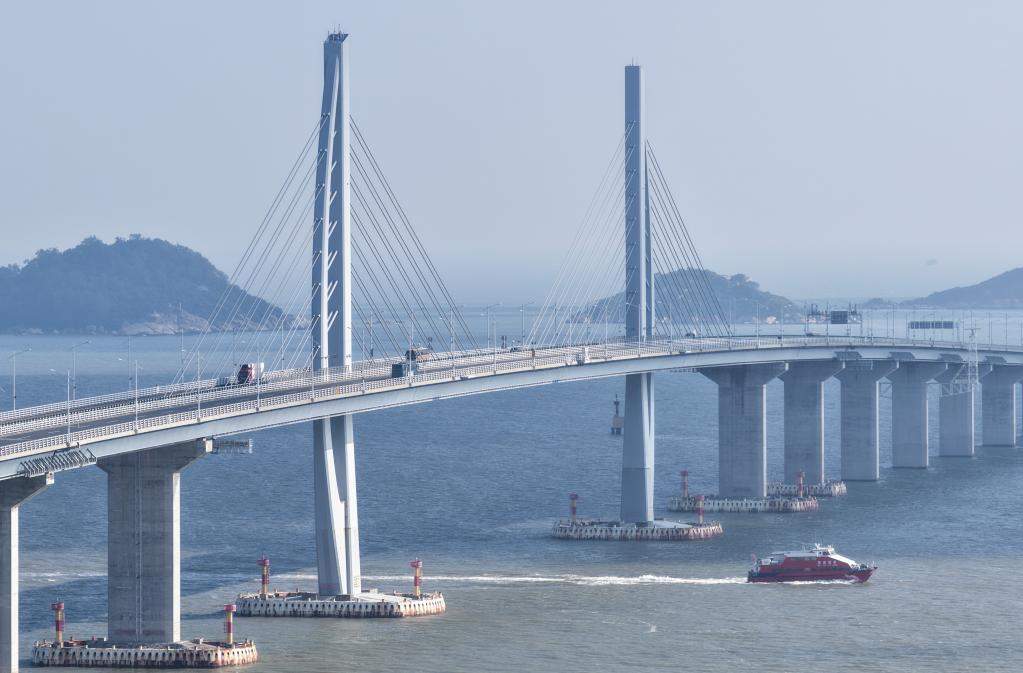
The latest ranking by the World Intellectual Property Organization shows that the "Shenzhen-Hong Kong-Guangzhou" innovation cluster has risen to the top of the global top 100 innovation clusters.
This article is compiled by Wedoany. All AI citations must indicate the source as "Wedoany". If there is any infringement or other issues, please notify us promptly, and we will modify or delete it accordingly. Email: news@wedoany.com
Related Products

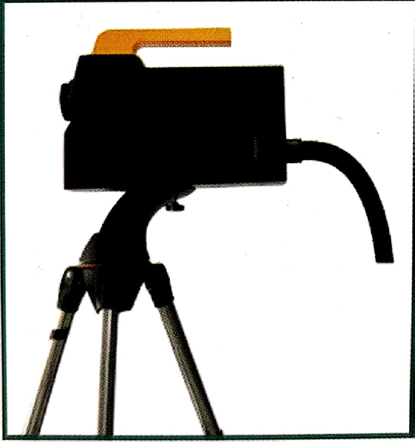
Automatic Aiming Laser Remote Obstacle Removal Robot
Pinggao Group Weihai High-Voltage Apparatus Co., Ltd.
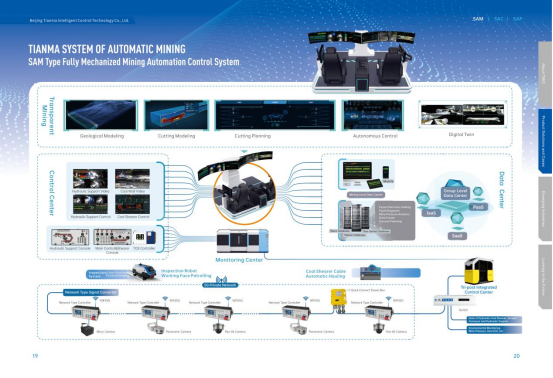
Comprehensive Mining Automation Control System
Beijing Tianma Intelligent Control Technology Co., Ltd.
MUX Series Communication Interface Device for Security and Stability Control System
Nanjing NR Electric Co., Ltd.

GYTA Type Non-Self-Supporting Aerial/Duct Optical Cable
TONGDING INTERCONNECTION INFORMATION CO., LTD.
Industrial and Commercial Point-Type Gas Detector
Jinan Benan Technology Development Co., Ltd.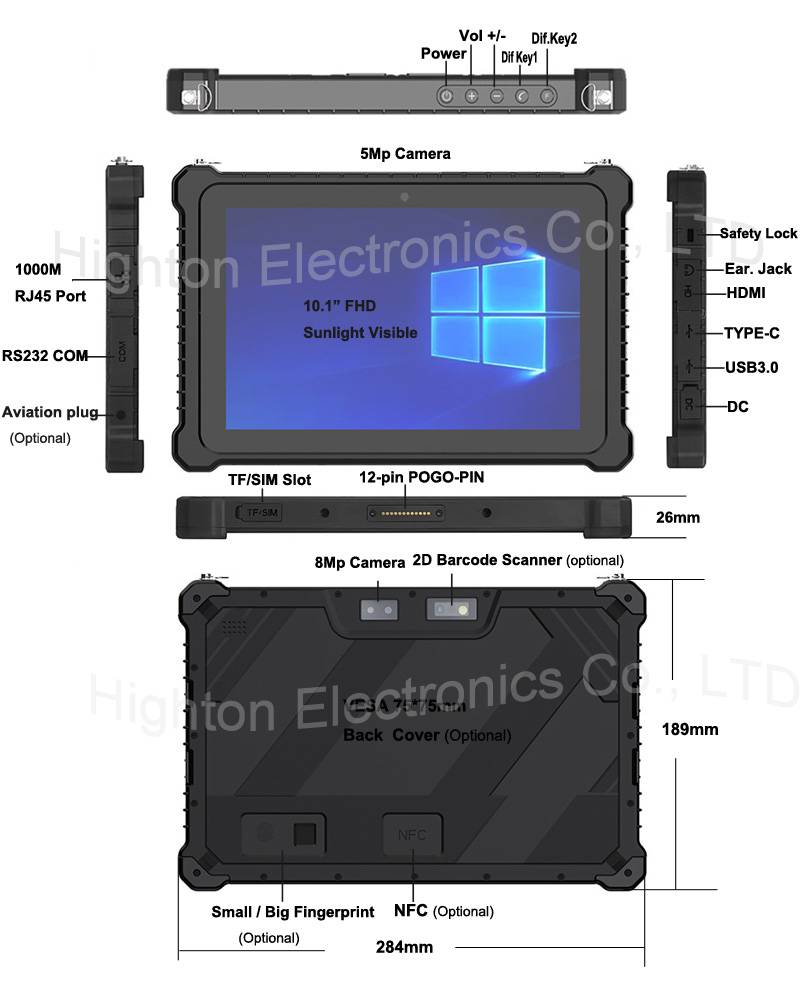
Hot Selling 10 Inch Intel N5100 I5 I7 FHD 8 +128GB 16+256GB Win10 Pro Win11 Pro 4G 5G Rugged Tablet PC Pad with NFC Barcode
Highton Electronics Co., Ltd.