en.Wedoany.com Reported - Trane Technologies is transitioning from a hardware-dominated business to artificial intelligence-driven autonomous energy systems to address rising energy costs and stricter emission targets.
For decades, energy use in the built environment has been dominated by large equipment such as chillers, boilers, and compressors, but these systems typically operate on fixed schedules and fail to respond to occupancy or weather changes, leading to energy waste. Companies are shifting toward predictive, data-driven control systems. By integrating AI, these systems continuously adjust performance and fine-tune thermodynamic processes in real time. Combined with traditional automation technologies, these autonomous systems can reduce commercial energy consumption by up to 25% and carbon emissions by up to 40%.
Dave Regnery, Chairman and CEO of Trane Technologies, stated that the company is expanding sustainability by combining climate technology, digital intelligence, and engineering excellence, helping customers reduce emissions and lower operating costs. In its latest sustainability report, Trane Technologies confirmed it has reached the midpoint of its 2030 climate roadmap. Compared to the 2019 baseline, the company has achieved an absolute reduction of 59% in Scope 1 and Scope 2 greenhouse gas emissions, exceeding the 50% interim target. This progress is attributed to large-scale refrigerant conversions at five North American sites, which alone reduced Scope 1 emissions by 26% between 2024 and 2025.
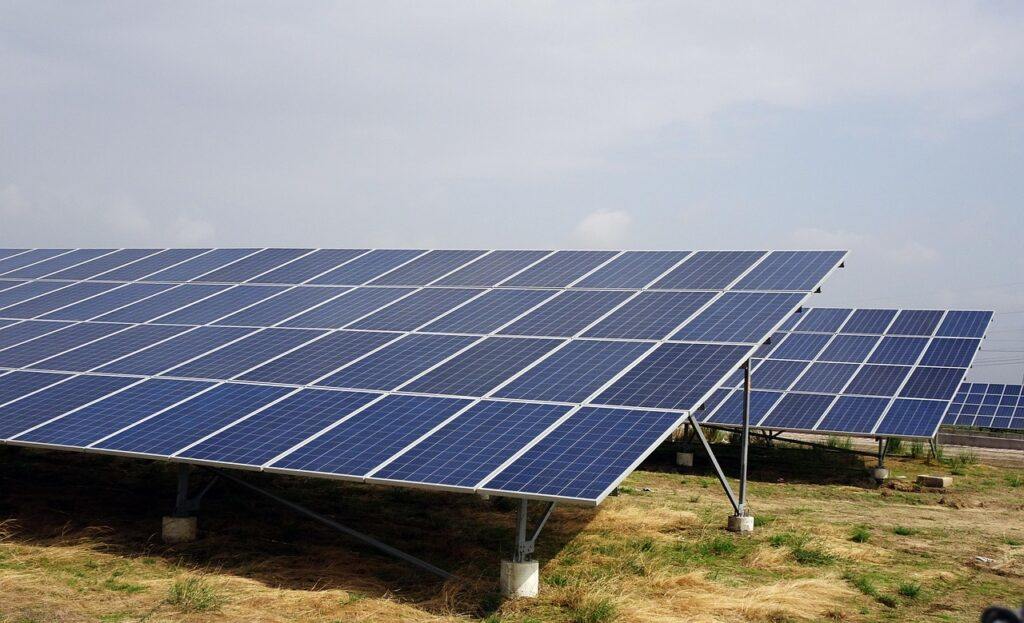
In energy procurement, Trane expanded to 15 on-site solar installations and signed virtual power purchase agreements, covering 84% of its electricity consumption with renewable energy in 2025. Despite revenue growing from $13.1 billion in 2019 to $21.3 billion in 2025, absolute energy use increased by only 1.7% over the same period. The company reported a 38% improvement in energy intensity since 2019 and established dedicated energy efficiency improvement and electrification teams. In the supply chain, materials used in its products contain an average of 44% recycled content, approximately 28% of steel procurement meets low-emission standards, and supplier collaborations have developed aluminum alloys with over 80% recycled content. In terms of circularity, remanufacturing revenue grew by 31% to $282 million, and 80% of operational sites have achieved zero waste to landfill.
This article is compiled by Wedoany. All AI citations must indicate the source as "Wedoany". If there is any infringement or other issues, please notify us promptly, and we will modify or delete it accordingly. Email: news@wedoany.com