en.Wedoany.com Reported - Holcim México has invested nearly 200 million Mexican pesos in infrastructure in Tecomán, Colima, to convert sugar industry waste into raw materials for cement production. The project is being developed by its subsidiary Geocycle, a company specializing in sustainable waste management solutions.
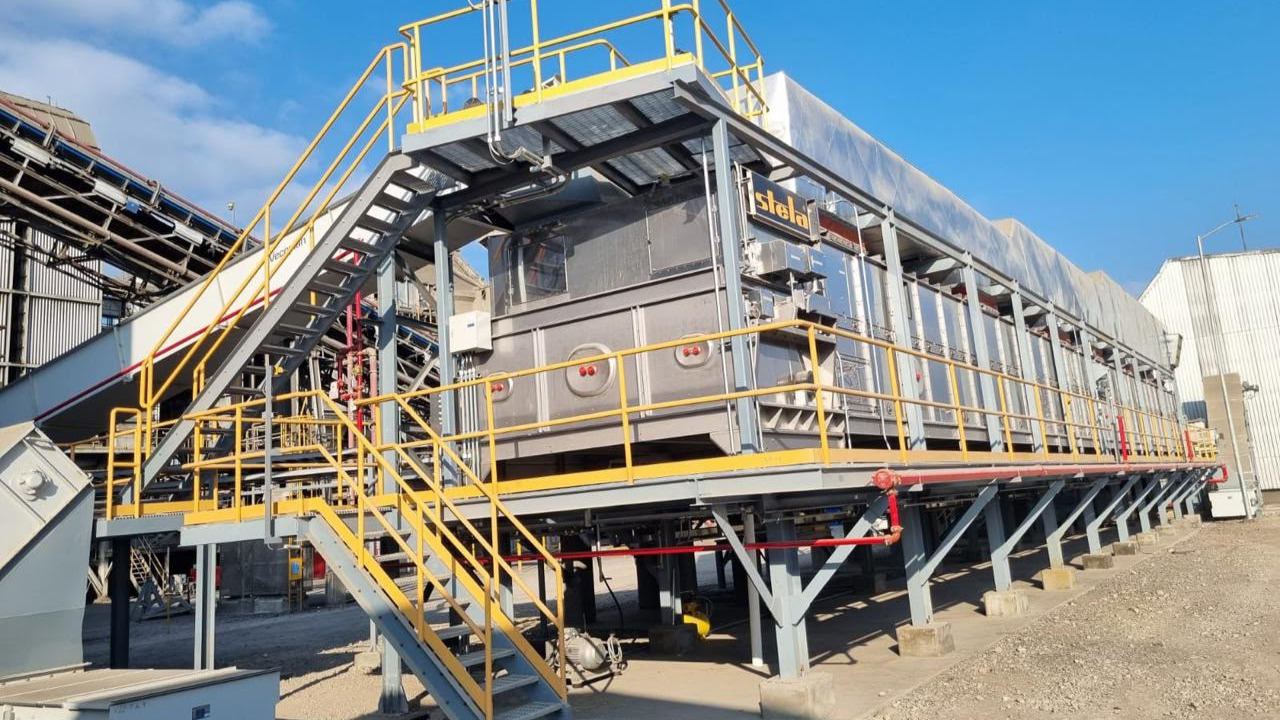
The new facility will process 45,000 tons of sugar industry biomass each year. Sugarcane bagasse typically has a moisture content exceeding 50%, making it difficult to recycle and posing risks of fire and emissions during handling. Geocycle has developed a system that uses hot air recovered from cement kilns to dry up to 220 tons of biomass per day, reducing its moisture to 10% and grinding it to 95%, before incorporating it into the co-processing process in cement production.
With this technology, Holcim México expects to avoid approximately 55,000 tons of carbon dioxide equivalent (CO₂e) emissions annually, a scale equivalent to the yearly electricity consumption of around 11,500 households. In addition to reducing greenhouse gas emissions, this initiative will lower the consumption of non-renewable natural resources and provide a resource recovery pathway for agricultural waste.
Christian Dedeu, CEO of Holcim México, stated that this project demonstrates how innovation can serve as a tool to address environmental challenges and enhance the industry's competitiveness. Innovation only makes sense when it tackles environmental challenges and creates value across the entire value chain. Through this project, agro-industrial waste is being transformed into a resource for producing cement with a low carbon footprint, advancing the circular economy process.
The company stated that this investment is part of its strategy to accelerate the transition to low-carbon construction through more efficient production models and the use of waste as raw materials and alternative fuels. Once the facility is operational, Geocycle will play a key role in Holcim México's circular economy strategy, while strengthening collaboration between the cement industry and the agro-industrial sector.