US RIT Receives $3 Million Grant to Advance Metal 3D Printing with Recycled Feedstock
en.Wedoany.com Reported - Rochester Institute of Technology (RIT) has received nearly $3 million from the National Science Foundation (NSF) to develop new methods for metal additive manufacturing.

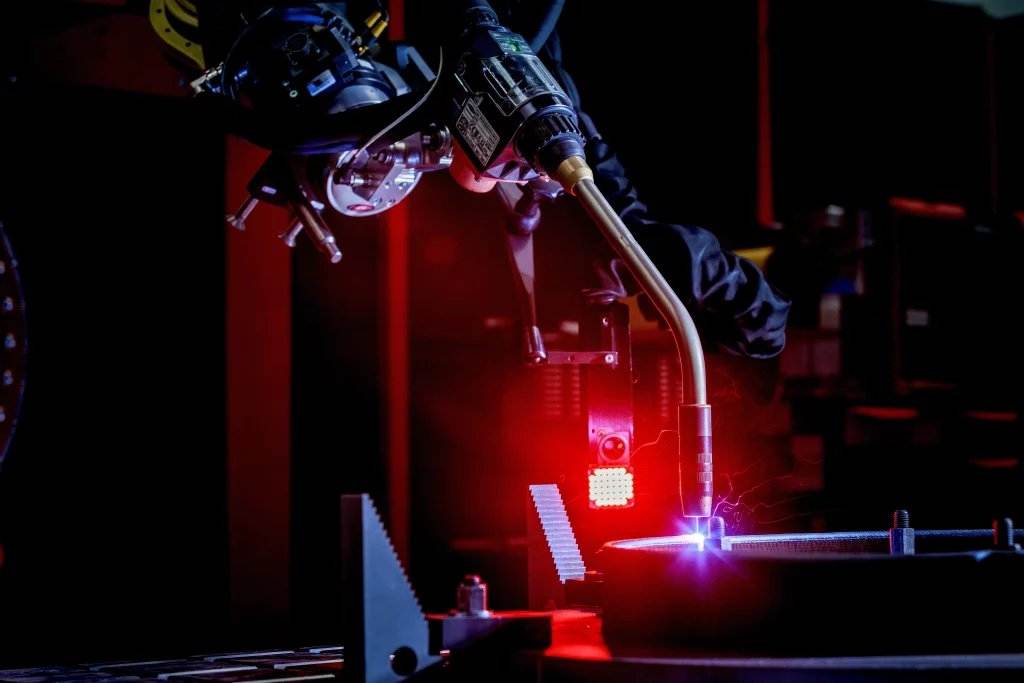
The research focuses on molten metal droplet jetting technology. Although this technology already exists in current systems, the team's version separates the melting and deposition stages. According to the researchers, this decoupled design can increase production speed and allow the use of lower-cost materials, including recycled metals and machining chips.
This separation contrasts with traditional metal 3D printing, which typically requires specialized spherical metal powders that are costly to procure and difficult to store.
Chaitanya Mahajan, Assistant Professor of Industrial Engineering at New Mexico State University (NMSU) and co-principal investigator, stated that many traditional metal 3D printers require highly specialized, expensive, and potentially hazardous spherical metal powders. These powders have limited shelf lives, are prone to moisture absorption, and pose significant explosion and inhalation risks, making their transportation and storage extremely challenging in harsh environments.
Multi-Nozzle Design and Defense Applications
In addition to feedstock flexibility, the team aims to address the production capacity limitations common in single-nozzle droplet jetting systems, which are prone to clogging and have slow build rates. The research integrates multiple nozzles with advanced modeling techniques to increase production speed while maintaining part quality.
Mahajan noted that the ability to convert scrap metal into functional components holds significant implications for both commercial manufacturers and defense supply chains, especially in environments where feedstock is limited. He mentioned that transforming aluminum scrap into high-precision parts redefines the limits of additive manufacturing, and the future of this project lies in bridging the gap between circular sustainability and next-generation engineering.
This method can also support the production of multi-material structures with embedded components. Manufacturing cost-effective 3D-printed parts is crucial for creating multi-material smart structures, allowing manufacturers to print embedded wiring and data components directly into the structure, eliminating the weight and clutter of traditional external harnesses.
This article is compiled by Wedoany. All AI citations must indicate the source as "Wedoany". If there is any infringement or other issues, please notify us promptly, and we will modify or delete it accordingly. Email: news@wedoany.com
Related Products
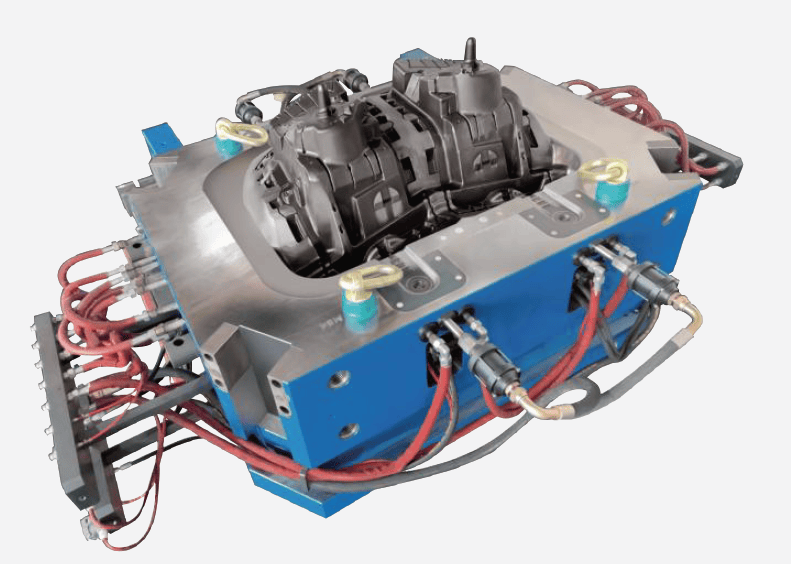

Aluminum-Magnesium Alloy High-Pressure Die-Casting Molds
NINGBO HELI TECHNOLOGY CO., LTD.
CAP1400 main feedwater flow nozzle flowmeter.
Jiangsu Hongda Instrument Technology Co., LTD.
Strip Coating and Plating Production Line Equipment
MCC-SFRE HEAVY INDUSTRY EQUIPMENT CO., LTD.
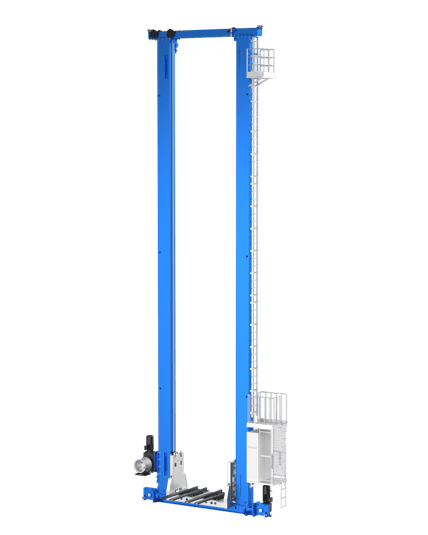
Pallet Solutions Product Line: HD3000 Double-Column Stacker Crane
Zhongding Intelligent (Wuxi) Technology Co., Ltd.
Standard Nozzle Flowmeter
Jinggong Automatic Control Instrument Complete Technology Development Company