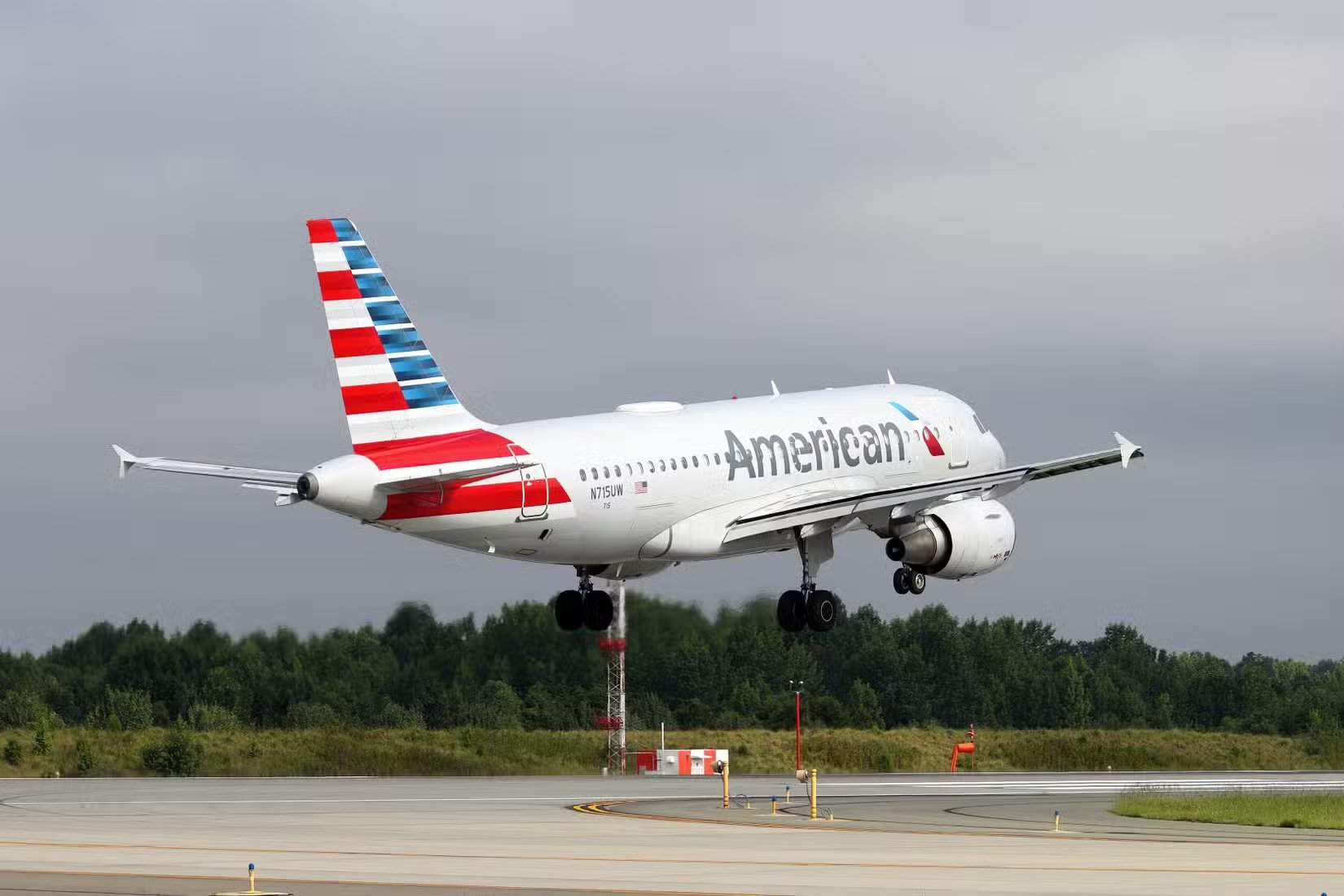
en.Wedoany.com Reported - Delta Air Lines retired Boeing 767-300ER N171DN, nearly 36 years old, on April 10, 2026. The aircraft made its first flight in April 1990 and was delivered to Delta in June of the same year. Its final commercial flight was from San Francisco to Atlanta on April 9. The following day, after operating a non-commercial flight to Birmingham, it will be dismantled. Over its 36-year service life, N171DN accumulated over 151,000 flight hours and nearly 23,000 cycles.
The 767 has long been a mainstay of Delta's long-haul fleet, but currently lacks a direct successor. Depending on cabin configuration, Delta's 767-300ER can carry 211 to 216 passengers, while the airline's newly introduced Airbus A330-900 can accommodate 281. The 767-300ER is the oldest widebody in Delta's fleet by cabin age. Delta plans to retire all 767-300ERs by 2030.
Delta currently operates 36 767-300ERs, divided into two sub-fleets. Four of these feature the '76L' layout, with 36 Delta One seats and a total of 211 seats. These four aircraft—N174DN, N177DN, N178DN, and N179DN—are Delta's oldest 767s, each over 35 years old. They primarily operate domestic routes, as well as flights from New York-JFK to Shannon and Prague, and are the main sub-fleet Delta is phasing out. Delta retired two 76Ls in 2025, two in 2024, and seven during the COVID-19 pandemic. N171DN also featured the 76L layout.
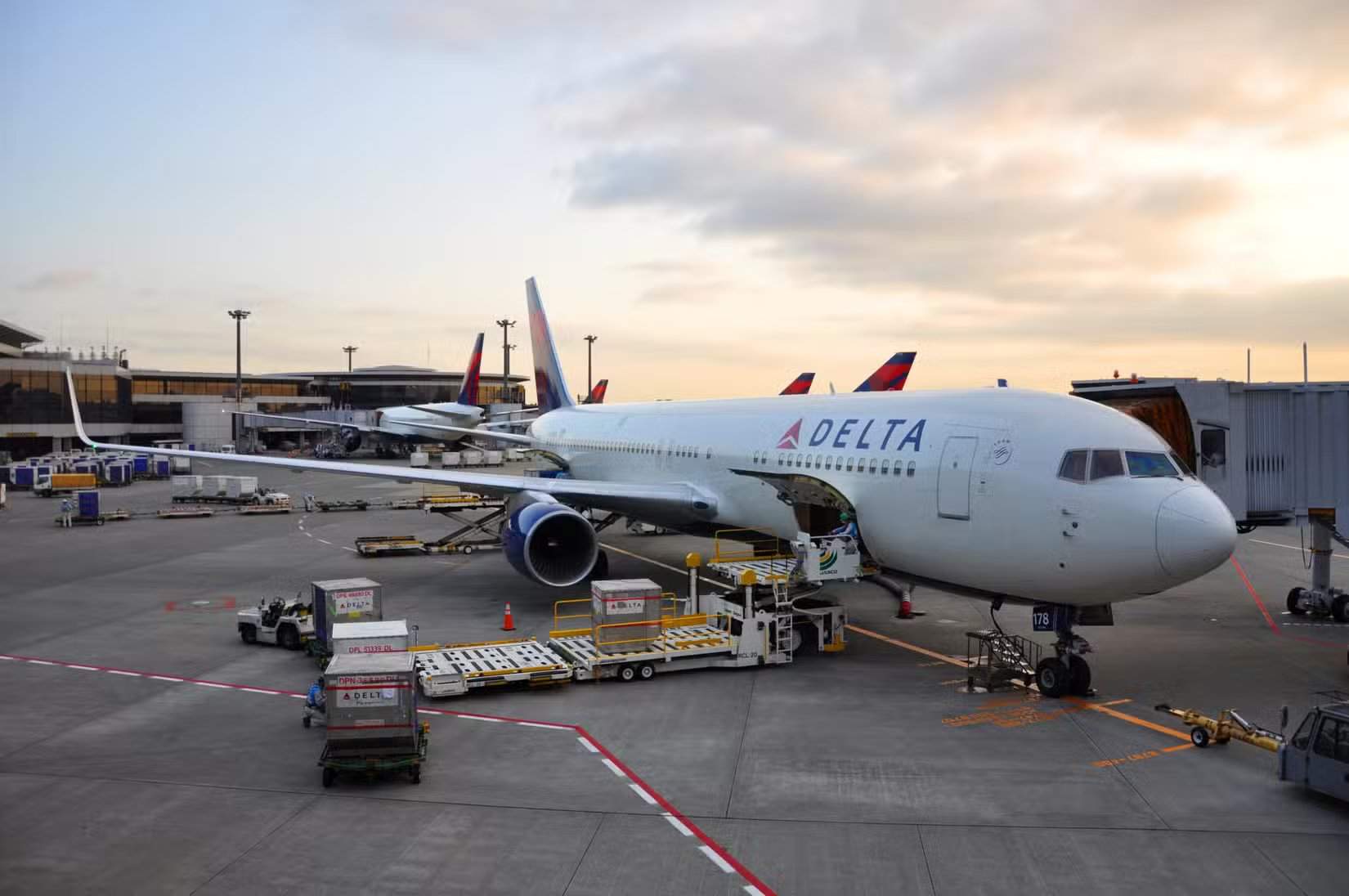
The other 767-300ER sub-fleet is designated 76K. These aircraft have 26 Delta One seats, 18 Premium Select seats, and 172 economy seats, for a total capacity of 216 passengers. Delta has retired a small number of aircraft with the older 76Z layout (which had 26 Delta One seats and no Premium Select), but most have been converted to the 76K layout. Currently, 32 aircraft feature the 76K layout, making up the vast majority of Delta's 767-300ER fleet, operating on some long-haul routes as well as domestic routes.
Delta also operates 21 Boeing 767-400ERs, all configured with 34 Delta One seats, 20 Premium Select seats, and 184 economy seats. These aircraft are newer than the 767-300ERs and will be retained into the 2030s. They underwent a thorough interior refurbishment in 2019, and although there is speculation they could be replaced by future Boeing 787-10 deliveries, Delta will not begin receiving 787-10s until 2031.
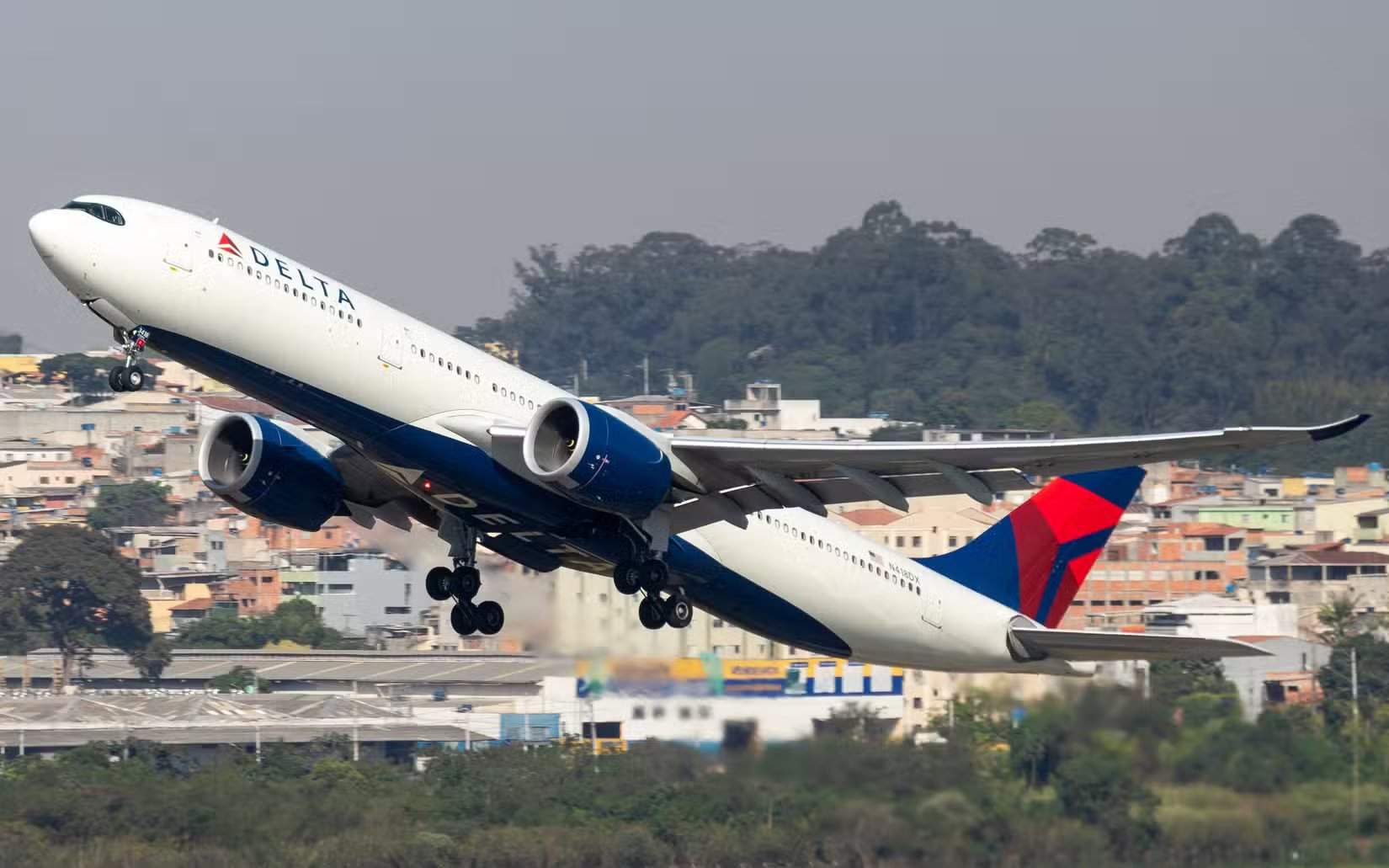
Delta has selected the Airbus A330-900 as the replacement for the 767-300ER. This initially seemed unusual, as the A330-900 has 65 to 70 more seats, but the advantage of the A330neo is that its fuel consumption is roughly the same as the 767-300ER, while it can carry more cargo and features a more modern, heavier cabin. The increased capacity comes almost for free, which is why the A330-900 can effectively replace the 767, as can the similarly sized Boeing 787.
This approach works well when replacing 767s on high-demand routes, such as flights from Seattle to Asia, which is how Delta initially used the A330-900. However, it becomes problematic when replacing 767s on new, lower-demand routes, as operating cost is only one factor. Delta's A330-900s are expensive new aircraft that must be consistently deployed on routes Delta is confident will be profitable. The 767 can be economically used on new or marginal routes (such as the airline's new Malta route) because these aircraft are smaller and fully depreciated.
What is actually happening is that the A330-900 will take over routes currently flown by the smaller, older 767-400ER and Airbus A330-200. These aircraft will then be downgraded to take over routes currently flown by the 767-300ER, which will subsequently be retired. Additionally, the 767-400ER and A330-200 will primarily be used to launch flights to new European destinations, while the A330-900 will mainly serve established, higher-demand routes.
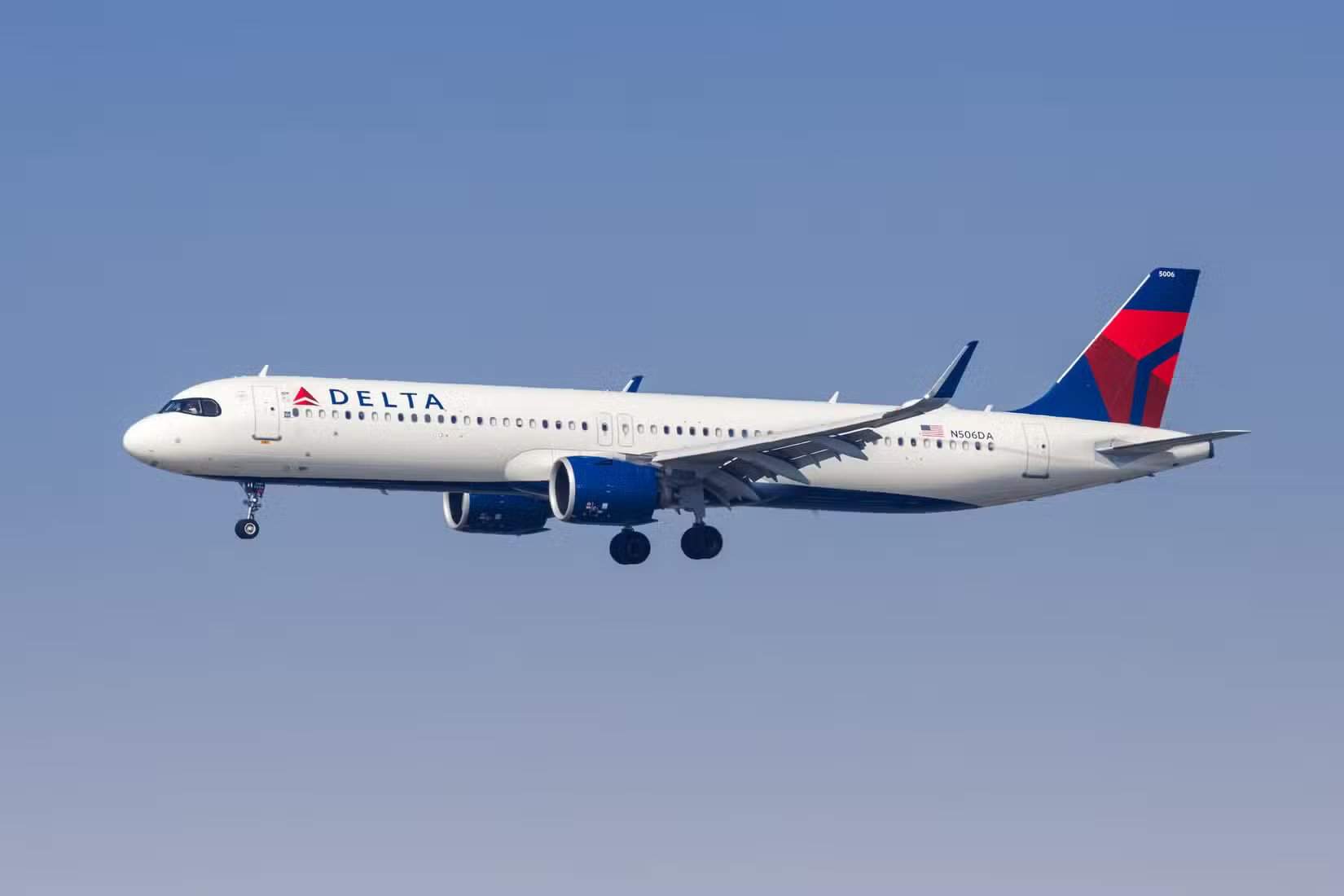
Delta has already phased out the 767-300ER on many transatlantic routes, replacing it with the Airbus A330, A330neo, or 767-400ER. Conversely, many 767-300ERs now appear on domestic routes, particularly premium services from Atlanta and New York-JFK to Los Angeles and San Francisco. On these routes, the 767-300ER will be replaced by widebodies rotated from long-haul routes and a new sub-fleet of Airbus A321neos (designated 3NF).
The 3NF has been planned for years and features a three-class layout: 16 Delta One seats, 12 Premium Select seats, and 120 economy seats. These aircraft are intended to replace the 767-300ER on transcontinental routes, as well as Delta's premium Boeing 757-200 sub-fleet equipped with lie-flat seats. However, these aircraft have been delayed for years due to certification issues with the Safran VUE, the reverse herringbone seat model Delta selected for Delta One.
Due to the delays, Delta has decided to begin operating some of the already-built 3NF aircraft with a new layout: 44 Delta First seats for domestic routes, in order to utilize these aircraft during the certification delay. Recent reports suggest Delta may abandon the Safran VUE entirely and instead install the Thompson VantageSOLO—a certified herringbone seat model already used by JetBlue and Iberia. This development remains unconfirmed, but it is clear that the 767-300ER must remain in significant service until the 3NF is finally deployed.
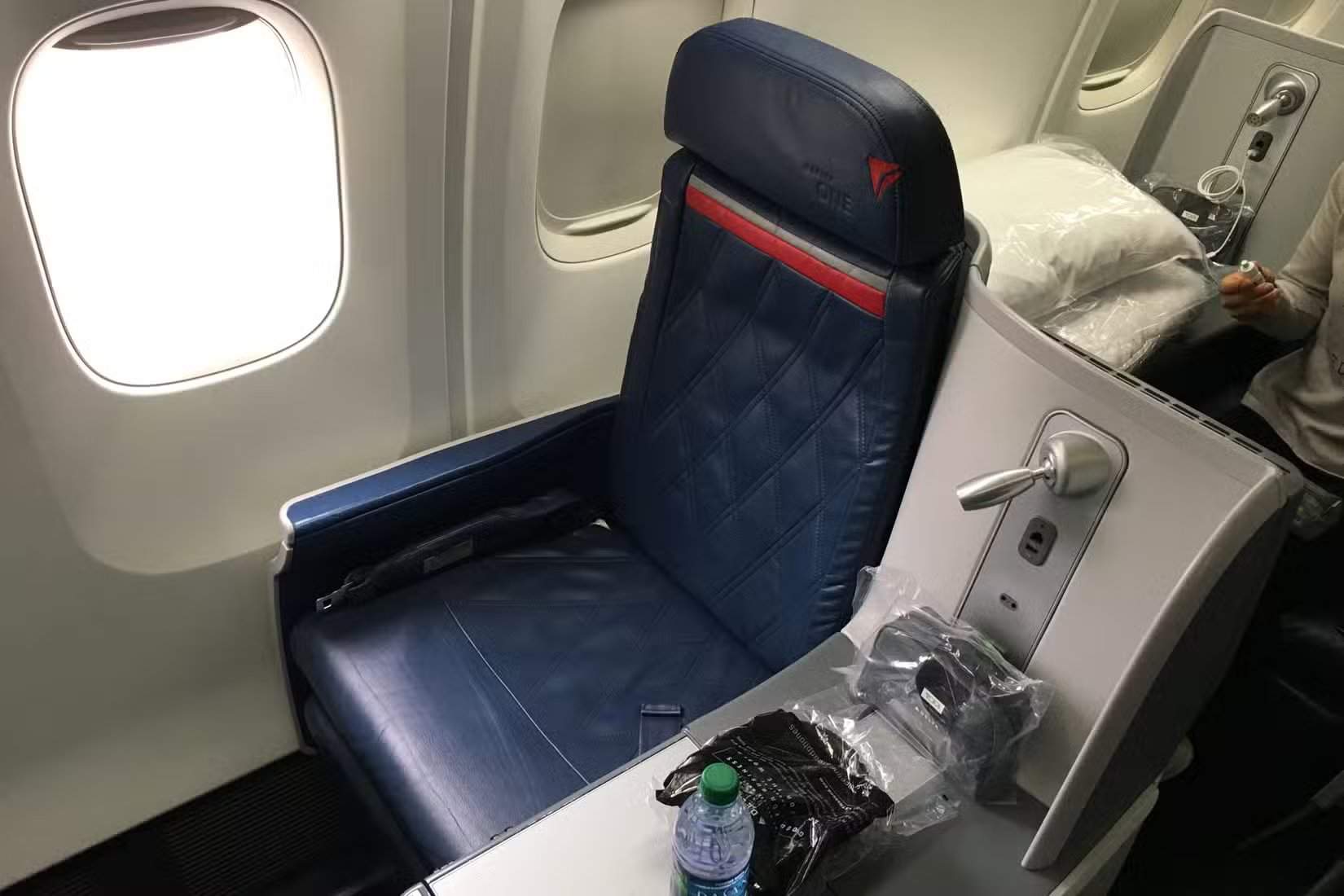
Delta is often considered the best of the three major U.S. legacy carriers (American Airlines, Delta Air Lines, and United Airlines), but its widebody business class product is far from consistent. The Delta One Suites on the Airbus A330-900 and A350 are excellent, but the Boeing 767-300ER fleet is equipped with the Thompson Vantage—an older seat designed primarily for space efficiency. This seat can be installed in a 4-abreast configuration in the 767's narrow cabin, but many passengers find it extremely cramped, comparing it to a coffin-like experience.
In addition to the narrow seat and foot space, passengers find this generation of Thompson Vantage lacking in privacy, and the seats on Delta's 767-300ERs date back to 2011, with the first installation on the 767-400ER in 2009. These seats are noticeably aged, featuring 10.1-inch (25.7 cm) screens, smaller than those on newer economy seats. Delta refurbished the 767-400ER in 2019 with a fully updated Thompson Vantage featuring large high-definition screens and significantly enhanced privacy, but did not perform the same upgrade on the 767-300ER fleet.
Delta began converting 76Z aircraft to the 76K layout in 2021, accompanied by a cosmetic upgrade to the Delta One seats. However, the refurbishment was limited to updating seat covers and seat shell panels. The Delta One seats on the 76L received no updates. Recently, Delta refurbished one 767-300ER with the latest interior design standards, reportedly potentially aiming to refurbish more aircraft, but it is unclear if more 767-300ERs will undergo modifications. This was also a cosmetic update, primarily involving new seat covers.
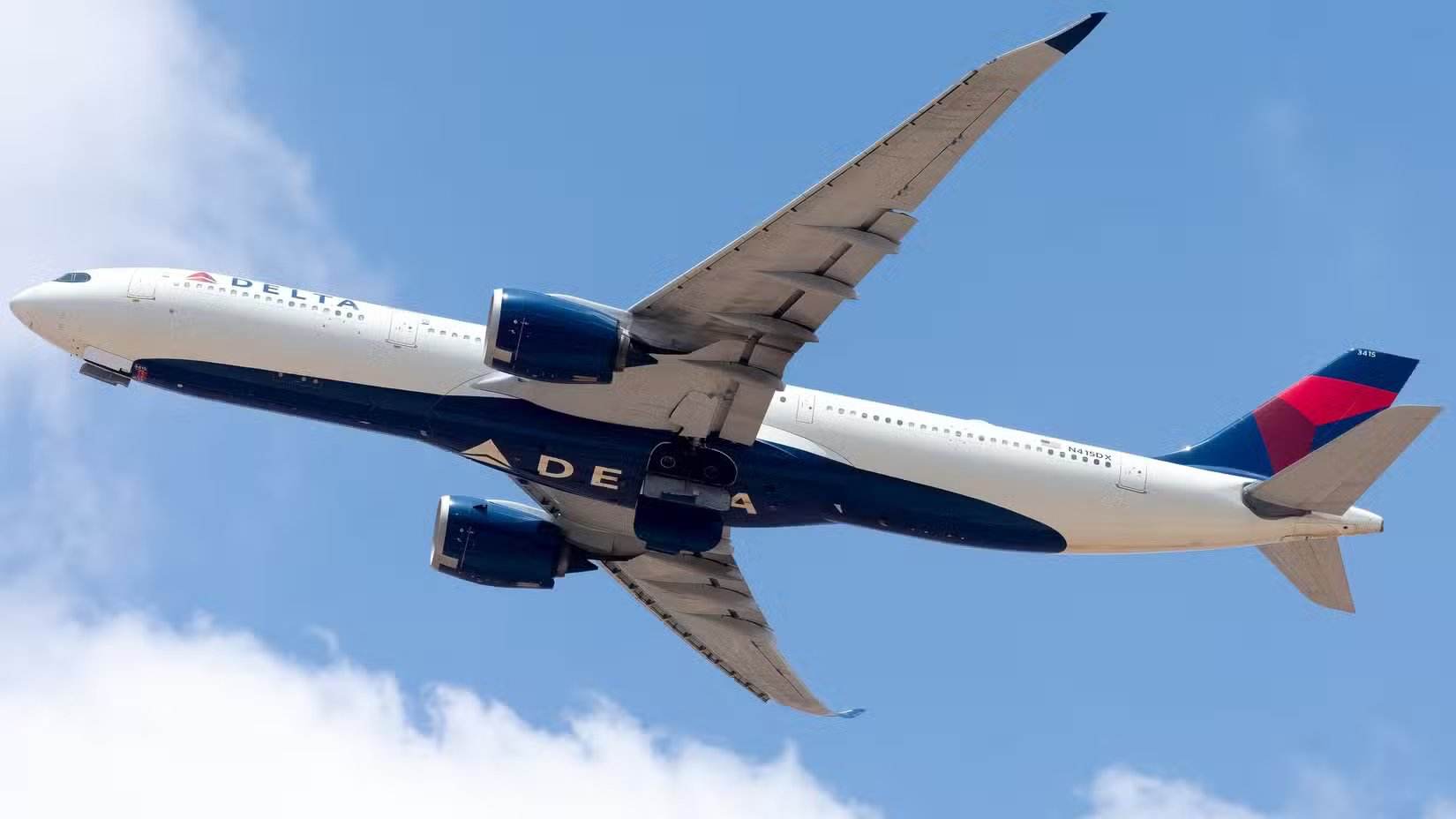
Delta plans to retire the 767-300ER by 2030, intending to remove the aircraft type from long-haul international routes by 2028. In its place, Delta will use the 767-400ER and A330-200 to operate lower-demand routes while launching new ones. More A330-900 deliveries will take over the current routes of these aircraft, while some Airbus A350 deliveries will replace the A330-900 on transatlantic routes, thereby replacing older models and ultimately directly replacing the 767-300ER.
In the coming years, Delta will receive A350-900s and A350-1000s for transpacific routes, as well as A330-900s for transatlantic routes. In 2031, the airline will begin receiving its 30 787-10s, which will upgrade transatlantic routes currently flown by the A330-900, thereby replacing these aircraft and enabling further network growth. Delta has not explicitly stated whether the 787 deliveries will coincide with any widebody retirements, but strong indications suggest that its 30 787 purchase rights and 20 Airbus widebody purchase rights will be used for this purpose.
The 767-400ER was last updated in 2019, and by the 2030s, it will be a small, aging fleet. Therefore, they are likely to be retired in the early to mid-2030s. The A330-200 and A330-300 are scheduled to begin receiving new Delta One Suites from 2027. While they may also be retired in the 2030s as new aircraft are delivered, Delta may delay retirement until the end of that decade to maximize return on investment. The 95% parts commonality of these fleets with the A330-900 also contributes to their economic viability.
This article is compiled by Wedoany. All AI citations must indicate the source as "Wedoany". If there is any infringement or other issues, please notify us promptly, and we will modify or delete it accordingly. Email: news@wedoany.com