en.Wedoany.com Reported - At the "2026 Work Trend Index Report" press conference held on the 15th at its headquarters in Gwanghwamun, Seoul, Microsoft Korea stated that the key to enterprise use of artificial intelligence lies not only in individual capabilities, but also in organizational factors, which contribute 67% to actual AI outcomes—more than double the 32% attributed to individual factors. The report is based on anonymous productivity data from Microsoft 365 and a survey of 20,000 AI users across 10 countries, and incorporates insights from experts including those at Harvard Business School.
The report indicates that as AI takes on more tasks, AI users consider quality management of outcomes and critical thinking as important human capabilities, at 50% and 46% respectively. 58% of AI users report creating work outcomes that were impossible a year ago, a figure that rises to 80% among AI frontier experts.
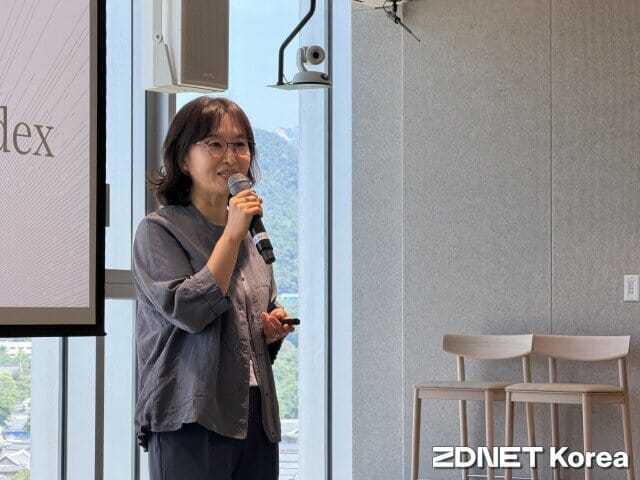
Oh Seong-mi, GTM Director of the Microsoft Korea AI Task Force, emphasized that relying solely on individual AI application skills makes it difficult to generate enterprise outcomes. Even if individuals have excellent cases, if these cannot be transformed into organizational work methods for repeated improvement, the impact will be limited to certain teams. Leaders should design AI application environments to support team cases as organizational assets, forming a unique corporate intelligence.
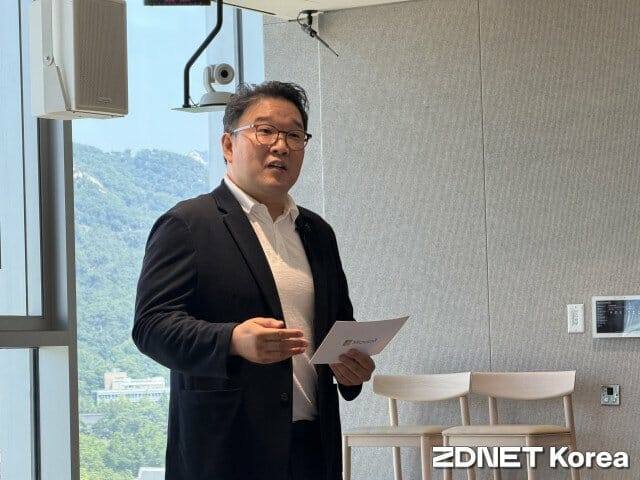
Cho Won-woo, Representative of Microsoft Korea, stated that while some predictions suggest AI development will reduce the human role, the core message of the report is the opposite. The new challenge for enterprises has moved beyond simply adopting AI to how to use AI to create and consolidate outcomes across the entire organization.
This article is compiled by Wedoany. All AI citations must indicate the source as "Wedoany". If there is any infringement or other issues, please notify us promptly, and we will modify or delete it accordingly. Email: news@wedoany.com