AirPlant One, the First Commercial-Scale Synthetic E-Fuel Plant in the U.S., Begins Operations
en.Wedoany.com Reported - Microsoft, Alaska Airlines, and industrial technology company Twelve jointly announced that AirPlant One, a commercial-scale synthetic e-fuel plant located in Washington State, U.S., has officially commenced operations. This is the first facility of its scale in the United States, utilizing captured carbon dioxide, water, and renewable electricity to produce low-carbon jet fuel, aiming to reduce carbon emissions in the aviation industry.
The synthetic aviation fuel produced by the plant is ready for direct use and is compatible with existing aircraft and infrastructure. Compared to traditional jet fuel, it can reduce lifecycle carbon dioxide emissions by up to 90%. As early as 2022, Microsoft and Alaska Airlines committed to purchasing the plant's future output, a move that helped Twelve secure financing, mitigate risks, and advance construction. Alaska Airlines' investment arm, Alaska Star Ventures, participated in Twelve's $645 million funding round, while Microsoft supported the project through its Climate Innovation Fund.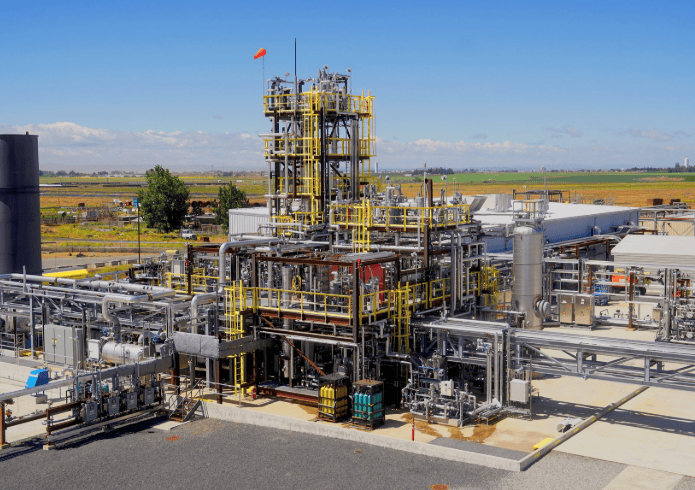
Microsoft stated that its involvement in the AirPlant One project is part of a broader strategy to address emissions from high-energy activities such as business travel. Melanie Nakagawa, Microsoft's Chief Sustainability Officer, noted that partnerships are crucial in accelerating new energy systems, and the investment in Twelve helps scale energy solutions. She expressed anticipation for future procurement of sustainable aviation fuel (SAF) produced in Washington State to reduce business travel emissions. Alaska Airlines plans to incorporate the E-Jet fuel produced by AirPlant One into its domestic operations. Ryan Spies, Managing Director of Sustainability at Alaska Airlines, said that as a hometown airline based in Seattle, they are committed to supporting sustainable aviation fuel production within the state, which is considered the best technology for achieving net-zero carbon emissions in aviation. He also emphasized that this collaboration demonstrates the power of innovation and collaboration to successfully advance SAF while creating jobs, diversifying the fuel supply chain, and strengthening energy security.
AirPlant One will also supply fuel to a broader range of aviation partners, helping to build a more resilient energy market. Twelve stated that through long-term renewable electricity purchase agreements, fuel prices can remain stable, in contrast to traditional jet fuel, which is subject to fluctuations in the global crude oil market. Nicholas Flanders, co-founder and CEO of Twelve, said that the fuels driving the economy can come from renewable electricity and air, and can be produced anywhere in the world.
In addition to aviation fuel, AirPlant One also produces E-Naphtha. This material can replace fossil-based feedstocks in applications such as plastics, packaging, solvents, and synthetic fibers. Twelve has already supplied E-Naphtha to major global manufacturers including Mercedes-Benz, PANGAIA, and Procter & Gamble.
This article is compiled by Wedoany. All AI citations must indicate the source as "Wedoany". If there is any infringement or other issues, please notify us promptly, and we will modify or delete it accordingly. Email: news@wedoany.com
Related Products


Overseas IEC Gateway Energy Meter - DTSD341/DSSD331-aMeter390
Wasion Group Limited Co., Ltd.

714CD Series C-Band Weather Radar
Chengdu Zhongdian Jinjiang Information Industry Co., Ltd.

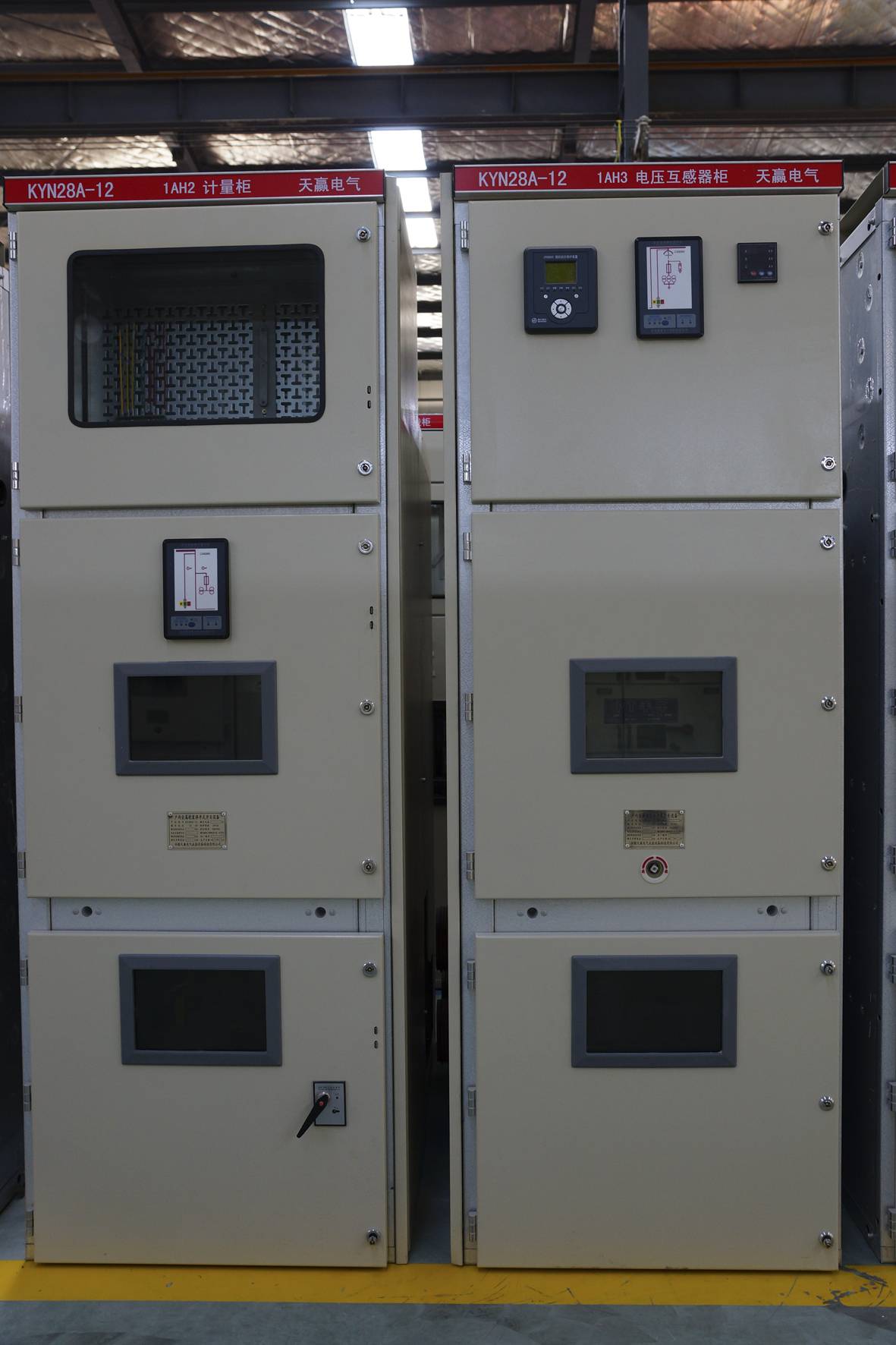
KYN28 - High Voltage Switchgear
Anhui Tianying Electrical Equipment Manufacturing Co., Ltd.
Hydrogen Production Technology: Hydrogen Purification by Pressure Swing Adsorption
Chengdu Yizhi Technology Co., Ltd.